People high in neuroticism report sleeping less, but wrist monitors tell a different story
People who are prone to worry and negative emotions often say they sleep less. A new study suggests that may reflect how they perceive and report their sleep rather than how much they actually sleep.
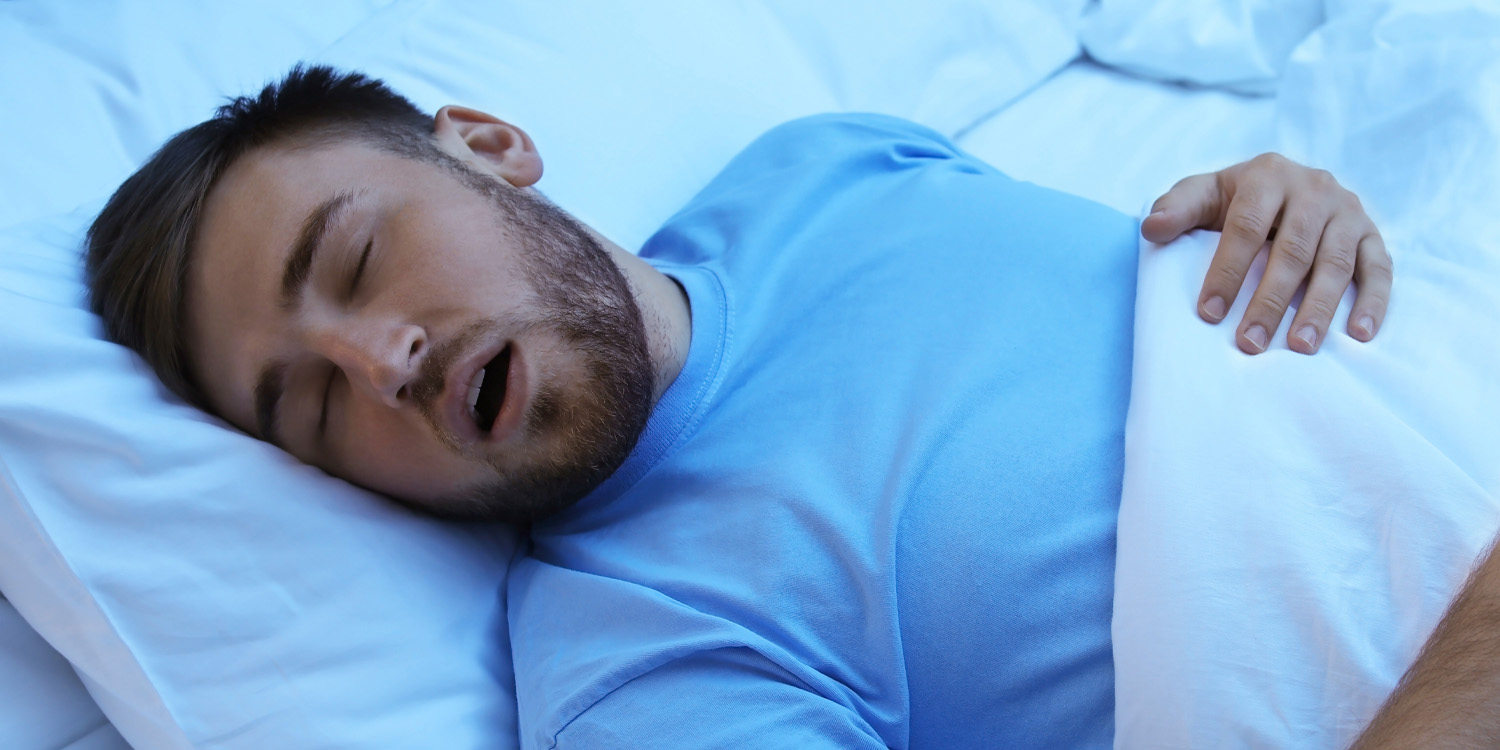
A study published in Personality and Individual Differences explored the link between neuroticism and sleep patterns, revealing an intriguing discrepancy. Young adults with higher neuroticism scores, a trait linked to negative emotions like worry and distress, reported sleeping less than their peers. However, wrist-worn sleep monitors failed to show a difference in actual sleep duration.
The research, conducted by Derick M. DeCamp and Elizabeth J. Pantesco of Villanova University, involved 134 undergraduate students without diagnosed sleep disorders. Participants wore actigraphs for five nights and completed questionnaires about their personality, sleep, and mental health symptoms. Both self-reported sleep duration and actigraphy-assessed sleep duration were linked to neuroticism, but the actigraph readings showed little variation.
The gap between self-reported sleep and actigraphy results persisted even after accounting for factors like depression, anxiety, and sleep regularity. The researchers hypothesized that neurotic individuals might perceive, recall, or report their sleep differently, suggesting the trait may be more strongly tied to these perceptions rather than actual sleep duration.
They noted that people high in neuroticism may overestimate the time it takes to fall asleep, leading to a perception of reduced sleep. However, further research is needed to confirm these speculative explanations. The study's limitations include the short actigraphy recording period, reliance on self-reported data, and the predominantly female, college-aged sample.
Written by urgent.news from PsyPost's reporting — not their text. Machine-written — may contain errors; check the original before relying on it.