Nvidia's web of AI bets: smart strategy or bubble risk?
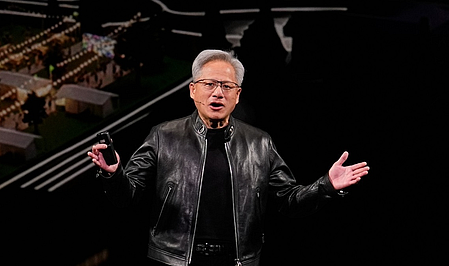
Nvidia has poured $3 billion into Meta's recent share sale, joining a web of investments that has made the chip giant a central figure in the AI boom. These stakes, loans, and guarantees have helped sustain demand for Nvidia's processors, which are essential to the AI revolution. The investments have propelled Nvidia to the world's most valuable company by market capitalization, with CEO Jensen Huang acting as AI's kingmaker. However, some analysts question whether Nvidia's moves could inflate an AI bubble.
Nvidia's portfolio includes stakes in leading AI developers like OpenAI, Anthropic, and Elon Musk's xAI (now part of SpaceX). The company has also invested in "neocloud" companies such as CoreWeave and Nebius, which rent out computing power built on Nvidia chips. Its investments extend to Europe (Mistral) and Asia (SK Group), among others. Nvidia has even offered financial backstops, acting as a customer of last resort for CoreWeave, committing to buy up to $6.3 billion of unused computing capacity.
Experts argue that Nvidia's enormous profits give it few better options than investing in AI infrastructure. Michael Cusumano, a professor at MIT Sloan School of Management, believes Nvidia is essentially becoming a bank, channeling profits back into infrastructure tied to purchases of its equipment. This approach is seen as smart, as alternatives like running its own data centers could lead to antitrust issues.
While Nvidia defends its strategy, critics liken its investments to the dot-com era, where companies inflated growth by investing in startups that then bought their products. Some, like Paulo Carvão from Harvard Kennedy School, argue that the closer these relationships are, the harder it is to assess true sustainable demand. Luria from D.A.
Davidson notes that not all demand is equal; for instance, Microsoft buying Nvidia chips might be more beneficial than CoreWeave doing so, as Microsoft has a more established customer base.
Written by urgent.news from Gulf News's reporting — not their text. Machine-written — may contain errors; check the original before relying on it.
Also reported by 3 other outlets
- Nvidia's web of AI bets: smart strategy or bubble risk? thehindu.com
- Nvidia’s web of AI bets: Smart strategy or bubble risk? straitstimes.com
- Nvidia's web of AI bets: smart strategy or bubble risk? economictimes.indiatimes.com