Newly designed buildings to supply 8% of electricity in Seoul
Newly approved buildings across the capital of Korea are expected to generate 3,811 gigawatt-hours of renewable energy annually, driven by city mandates requiring solar facades and geothermal heating in building designs. According to data released Friday by the Seoul Metropolitan Government, the projected clean energy output — stemming from architectural plans reviewed between 2022 and 2026 —…
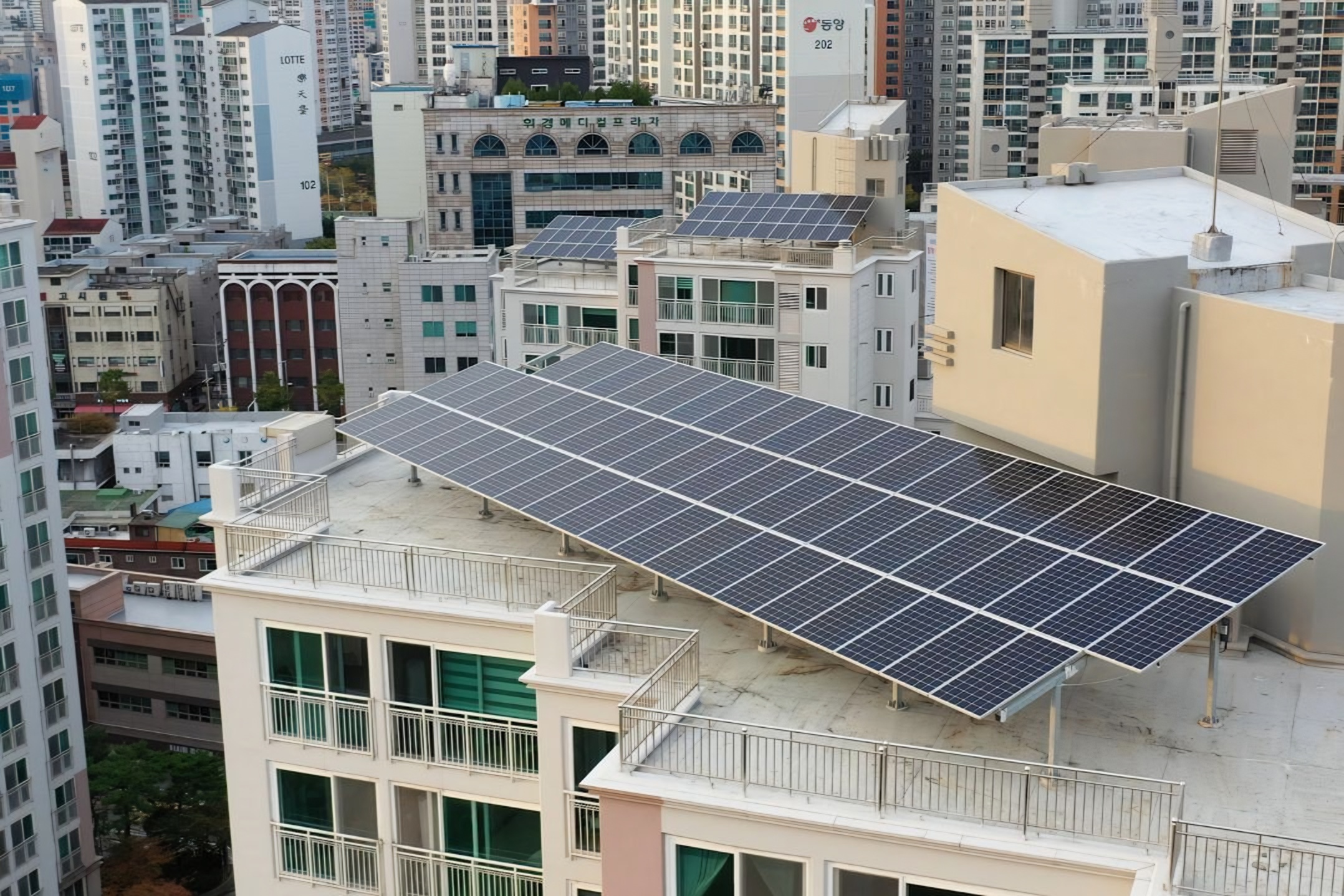
A new generation of buildings in Seoul is poised to contribute approximately 8% of the city's electricity needs through the installation of solar facades and geothermal heating systems, according to recent data from the Seoul Metropolitan Government. The projected renewable energy output from these structures, spanning architectural plans reviewed between 2022 and 2026, will equate to roughly 3,811 gigawatt-hours annually.
This clean energy production is 1.5 times the annual capacity of the historic Seoul Thermal Power Plant, which has long been a key energy source for the city. Furthermore, it represents an impressive 85% of all renewable energy capacity installed in Seoul over the past 17 years. The initiative is part of a broader effort to expand Korea's clean energy mix, as renewable sources currently make up around 9 to 11% of the nation's power generation.
In urban centers like Seoul, which heavily rely on electricity drawn from outside regions, the shift towards local self-sufficiency through renewable energy sources becomes increasingly pressing.
Written by urgent.news from The Korea Times's reporting — not their text. Machine-written — may contain errors; check the original before relying on it.
Also reported by 1 other outlet
- Newly designed buildings to supply 8% of electricity in Seoul koreatimes.co.kr