Medicare Drug Plans Are Hiking Premiums While Trump Claims Victory on Medicine Prices
Millions of Medicare enrollees who buy stand-alone prescription drug plans will see their average monthly premiums rise by 50% in 2027, a new analysis finds. But enrollees can avoid the average increase by switching to lower-cost plans.
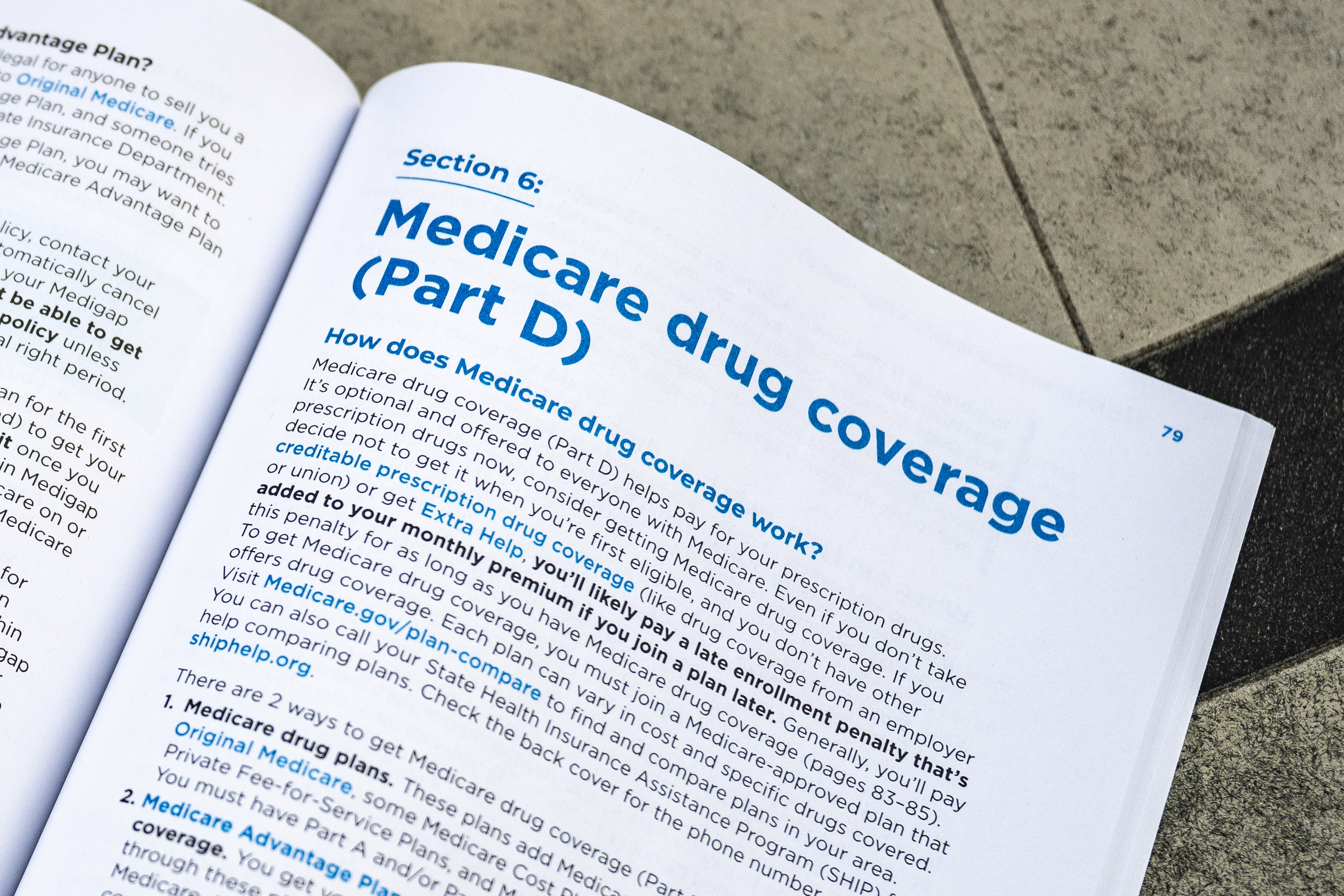
Millions of Medicare recipients who purchase independent prescription drug plans anticipate a 50% rise in their monthly premiums by 2027, according to a recent analysis. However, these individuals can potentially avoid the average increase, ranging from $34 to $51 monthly, by switching to more affordable plans during the open enrollment period, which concludes on December 7.
Robert Travis Scott, a resident of Abingdon, Virginia, is a prime example of this strategy. Upon receiving a notice of a substantial premium increase from $39.60 in 2026 to $121.90 in 2027, Scott switched to a Humana plan for $19.30 with comparable benefits. He expressed relief at this decision, estimating a potential savings of around $1,000 for the upcoming year.
Juliette Cubanski, a vice president and director of the Program on Medicare Policy at KFF, a health information nonprofit, highlighted the stakes for Medicare recipients with stand-alone drug coverage, emphasizing the importance of shopping for plans during open enrollment to save money. Rising drug costs are among the affordability concerns troubling voters ahead of the November midterm elections.
President Donald Trump, whose approval rating has reached its lowest point during his two terms, claims success in negotiating lower drug prices. "What we're doing great with is pharmaceuticals, hundreds of billions," Trump said at a campaign rally in Ohio on October 28. "You should win just on this, everybody running. We have the lowest drug prices anywhere in the world."
However, the reality remains that the actual cost of drugs varies significantly based on individual medication needs and insurance coverage. Medicare beneficiaries with drug coverage through private Medicare Advantage plans will experience significantly lower premium increases. KFF's analysis revealed that these enrollees will pay an average of $9 for drugs as part of their overall monthly premium in 2027, representing an increase of less than $2.
Over half of Medicare beneficiaries are enrolled in Medicare Advantage health plans, which encompass a drug benefit, rather than the traditional program. Nearly 25 million people are enrolled in stand-alone Medicare drug plans, while approximately 31 million receive drug coverage through Medicare Advantage plans. Premiums and deductibles are just part of the escalating costs faced by Medicare recipients.
Most enrollees who purchase a stand-alone drug plan or obtain drug benefits through Medicare Advantage plans will also face an annual deductible for drug coverage in 2027. The average deductible is projected to be $643 for stand-alone plans, up from $540 in 2026. For those enrolled in Medicare Advantage plans, the average deductible will be $489, up from $360 in 2026.
Furthermore, most Medicare enrollees with drug coverage next year will transition from copayments to coinsurance, leading to less predictable out-of-pocket expenses due to the percentage-based nature of coinsurance. A potential factor contributing to the projected premium hikes is the Centers for Medicare & Medicaid Services' (CMS) decision to terminate early a pilot program aimed at controlling stand-alone premiums.
The program provided subsidies to stand-alone plans in 2025 and 2026, but CMS decided to discontinue it after just two years. CMS Administrator Mehmet Oz characterized the subsidy program as an "insurance industry bailout." KFF noted that its findings differ from CMS' projection, which predicts a $1 increase in the national average premium, from $35 to $36, based on September 2026 enrollment.
CMS did not provide a response to KFF's request for comment on the KFF findings. Approximately 10.4 million Medicare enrollees, or 76% of those in stand-alone drug plans without low-income subsidies, will face higher monthly premiums in 2027 if they remain with the same plan. This includes 4.1 million enrollees currently in zero-premium plans, who will automatically face increased costs in 2027, as no zero-premium plans will be available.
Written by urgent.news from KFF Health News's reporting — not their text. Machine-written — may contain errors; check the original before relying on it.