Malaysia widens e-waste crackdown beyond Port Klang [WATCH]
PORT KLANG: More than 31,000 tonnes of electronic waste packed into 1,257 containers were abandoned at Port Klang, prompting a multi-agency crackdown that has expanded beyond the port to suspected illegal storage and processing facilities inland.
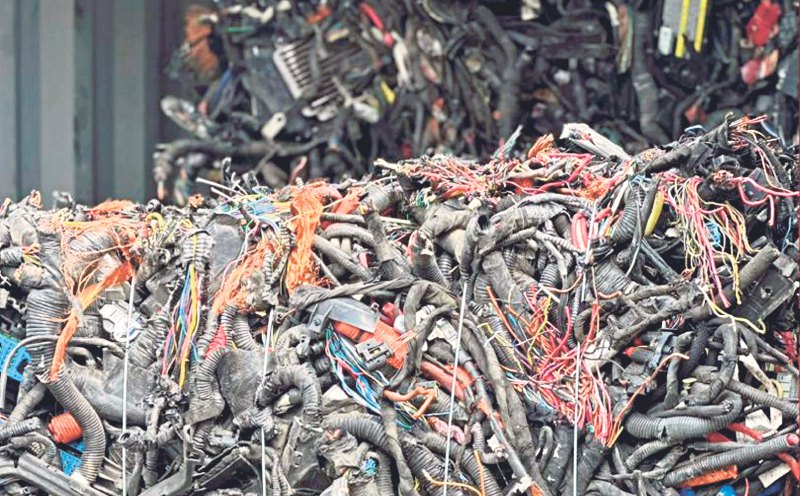
In Malaysia, authorities have intensified efforts to combat e-waste dumping, with over 31,000 tonnes of electronic waste discovered at Port Klang, prompting a multi-agency crackdown. The operation, involving the Malaysia Border Control and Protection Agency (MCBA) and other agencies, has expanded beyond the port to tackle illegal storage and processing facilities across the country.
The abandoned waste, estimated at 31,475 tonnes, was packed into 1,257 containers over 2024 and 2025. Of these containers, 772 were linked to anti-money laundering investigations, 375 processed by the Customs Department, and 112 handled by MCBA. As of now, 51% of the operation, covering the removal of 647 containers and 16,177 tonnes of e-waste, has been completed.
However, the crackdown has moved beyond Port Klang, with enforcement teams targeting suspected illegal e-waste operations nationwide. A recent raid in Kapar detained 25 foreigners and seized equipment valued at RM3.1 million. The challenge lies in tracking imported waste once it enters Malaysia, and authorities must now target businesses, storage facilities, and processing centers that handle e-waste illegally.
The financial incentive of recovering precious metals from discarded electronic equipment adds complexity to the enforcement. While clearing the backlog addresses part of the issue, the larger task involves identifying those responsible for importing and processing illegal e-waste and shutting down the channels that enable such activities.
With the final phase of the operation underway, the success will be measured not only by the number of containers cleared from Port Klang but also by authorities' ability to prevent a recurrence of the backlog.
Written by urgent.news from New Straits Times's reporting — not their text. Machine-written — may contain errors; check the original before relying on it.
This story
This is one outlet's version. Read the fullest account.