Jürgen Klopp: Sieben Leadership-Lehren, die sich Chefs von ihm abschauen können
Klopp wird neuer Bundestrainer. Der DFB gewinnt einen Motivator. Sein Führungsstil ist so gut, dass auch andere Chefs sich davon etwas abschauen können, sagt ein Forscher – und erklärt, wie.
1. Jürgen Klopp's Charisma and Joy in Winning
Klopp's football is fueled by emotion. In the 2013 Champions League quarter-final against Málaga, Borussia Dortmund trailed until the final minutes when two late goals turned the tide. Klopp pushed his team to the wire until the last second - driven by the belief that something more was possible. This confidence, even in seemingly hopeless situations, is what defines him.
The same principle was evident in his last Dortmund season in 2014/2015: The BVB was on a historically weak 17th place at the winter break. Despite this, Klopp remained as manager and managed to secure the team's place in the European Cup by the season's end. Klopp's message was the same as in 2013: Setbacks make us stronger for the next effort.
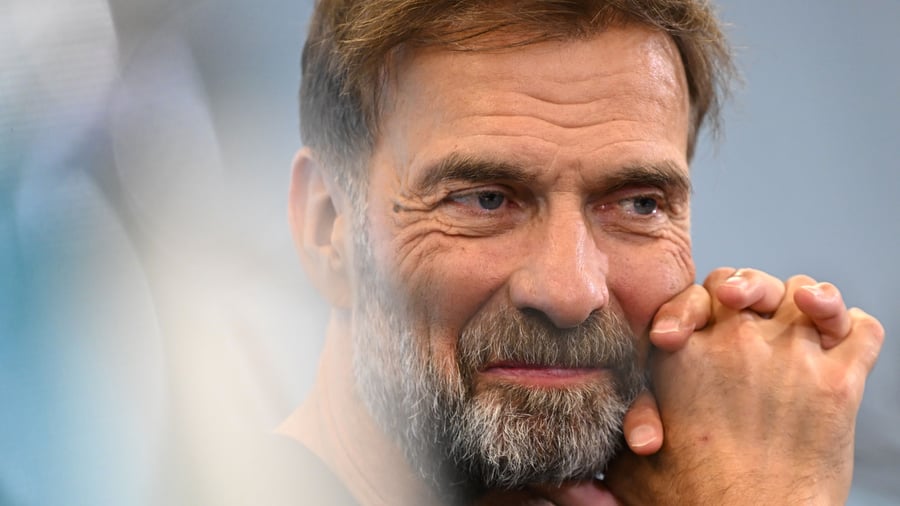
For WHU's Briker, Klopp's charisma is his most defining characteristic that sets him apart as a good leader. He has confidence in his team, fosters a sense of community, and encourages shared effort. Charismatic leaders like Klopp have a vision - a realistic yet positive outlook on the future. His language also adds to his charisma.
When many of his BVB players were injured, he said: "When the washing machine breaks down, the dryer is also doomed." Such metaphors convey his unwavering confidence and the community spirit he nurtures. "These are prototypical and also scientifically proven techniques that can boost motivation, performance, and belief in one's self among employees," says Briker.
2. Unearthing Untapped Talent
When Klopp started at Dortmund in 2008, he had no money for stars. So he built his team from players others overlooked. Neven Subotic was an unknown defender, nobody had heard of him - until Klopp. Mats Hummels was overlooked by FC Bayern and became the defensive leader of the champion team in Dortmund. Nuri Sahin came from Klopp's own youth and had his best Bundesliga season at just 20 years old.
Kevin Grosskreutz, a third-tier player with Dortmund roots, was placed in a new position by Klopp and became a popular figure. Without expensive stars, Klopp led the BVB to the championship in 2011 and identified the individual strengths of each player to use them strategically. For leaders, this means recognizing the potential in overlooked or underestimated employees and investing in their development - building a loyal, high-performing core team that can weather difficult periods together.
Written by urgent.news from Handelsblatt's reporting — not their text. Machine-written — may contain errors; check the original before relying on it.
This story
This is one outlet's version. Read the fullest account.