Integrating Nigeria’s Fragmented Transport System
Chinedu Eze Experts have advocated for the integration of Nigeria’s transport system, including road, rail, aviation and maritime, in order to develop policies that will synergize the movement of goods
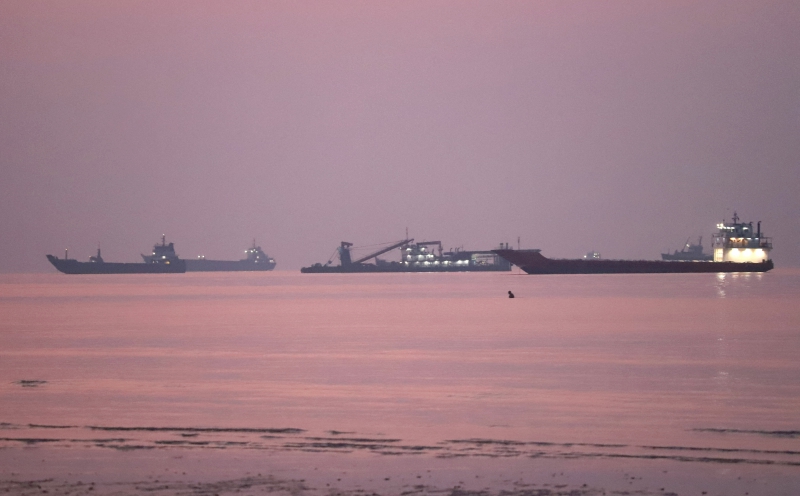
Experts have urged the integration of Nigeria's transport sector, which includes road, rail, aviation, and maritime, to develop policies that harmonize the movement of goods and services throughout the nation. This recommendation came from a panel of experts who gathered for the second Nigeria Transport Summit held in Lagos, with the theme 'Navigating Global Disruptions and the Road Ahead: Mobility, Energy, and Trade Facilitation for a Resilient Future'.
The Nigerian Ports Economic Regulatory Agency (NPERA) emphasized the importance of utilizing evidence-based regulation and engaging stakeholders to eliminate unnecessary logistics costs, reduce trade expenses, and streamline cargo clearance operations across Nigeria's ports. NPERA's Director-General and CEO, Akutah Pius Ukeyima, pointed out that bottlenecks in trade, unpredictable port fees, and fragmented infrastructure hinder the nation's competitiveness.
He emphasized that effective stakeholder engagement, regulatory measures, and data-driven decisions are crucial to supporting a port system that lowers avoidable costs, enhances operational efficiency, promotes fair competition, and strengthens Nigeria's position as a trade destination.
NPERA's chief highlighted that seamless trade facilitation is essential for national development, as delays in cargo clearance, excessive or unpredictable charges, insufficient infrastructure, and poor coordination among stakeholders can increase logistics expenses and weaken Nigerian businesses' competitiveness. To tackle these obstacles, NPERA believes in adopting economic regulation that safeguards the commercial interests of all operators while promoting investment certainty.
This ensures reasonable charges, efficient service delivery, fair treatment of stakeholders, and adequate protection for port users within the regulatory framework.
Expanding beyond maritime gates, Ukeyima urged federal authorities and private operators to expedite integration across various transport modes such as roads, rail, and inland waterways. He noted that dry ports and supporting transit infrastructure play a vital role in improving access for inland businesses, provided that connection issues are resolved.
Ukeyima urged the resolution of bottlenecks affecting rail freight services, road transport costs, cargo documentation, shipping arrangements, and inland transport infrastructure.
Addressing the issue of insecurity, Warredi Enisuoh, Executive Director of Operations and Technical at Tantita Security Services Nigeria Limited, urged the integration of security awareness into school curricula. As an airline captain, ship master, and maritime security expert, Enisuoh warned that criminal elements exploit public unawareness and outdated infrastructure, and that widespread indifference exposes citizens to preventable dangers.
He stressed that awareness is key to mitigating insecurity, as assailants take advantage of unaware individuals. Enisuoh called for early childhood and adolescent education to directly counter the reality of kidnapping and security risks, as today's vulnerable children may become tomorrow's victims. Enisuoh further argued that Nigeria's sea ports and highways were not designed to withstand modern security risks and that the aviation industry has successfully implemented stringent security measures that the maritime sector can learn from.
Written by urgent.news from This Day's reporting — not their text. Machine-written — may contain errors; check the original before relying on it.