India needs a digital goods marketplace and control of its distribution layer, say Indus Appstore and Eloelo
Priya Narasimhan of Indus Appstore and Sagar Gaonkar of Eloelo Group argued that India’s next 500 million users will come through AI-ready, locally priced platforms, and that sovereignty must extend beyond chips and models to app distribution, billing and data.
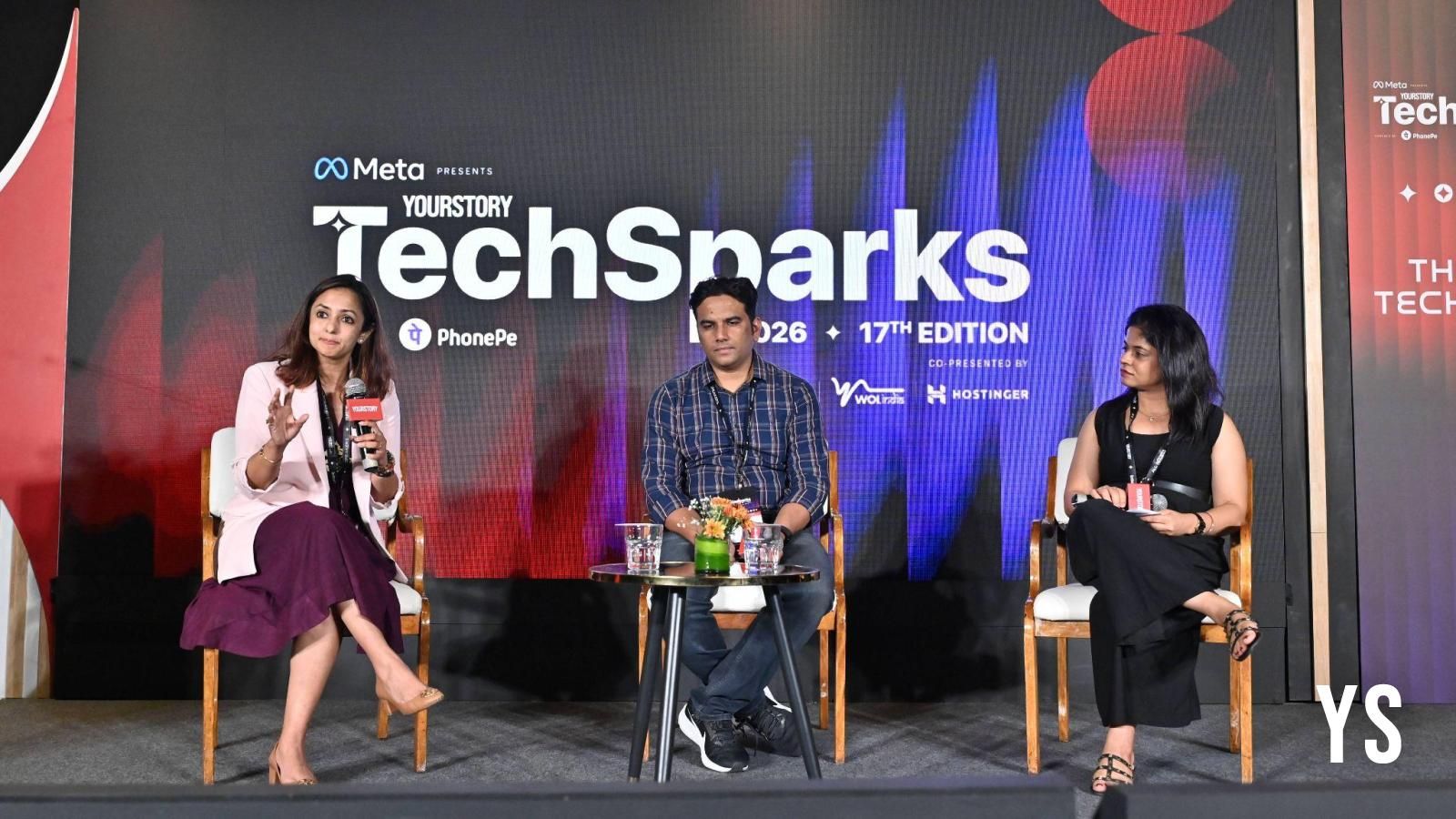
India's digital economy still lacks a thriving marketplace for digital goods, and fixing that is a matter of both technology and sovereignty, according to speakers at YourStory's 17th TechSparks. Priya Narasimhan, Chief Business Officer at Indus Appstore, explained that mobile-first habits in India should have sparked a large digital goods market but have not.
She attributed this to distribution monopolies by Google and Apple, as well as the economics of their billing commissions, which make low-priced digital products unprofitable. Web stores face user friction and low reach, she said.
Narasimhan argued that digital sovereignty is about controlling how and where consumers interact with technology. She identified three key areas India must control: discovery and distribution through app stores, monetization and billing, and a data trust and consent framework. The Epic Games and Google dispute in the US serves as an example of the consequences when developers rely on gatekeepers.
However, she stressed that sovereignty does not require rebuilding every base layer; the goal is to adapt global technology to India's terms.
Indus Appstore's CTO, Sagar Gaonkar, highlighted India's strengths in data, cultural diversity, and creative talent. He emphasized that value can be added and then exported, with a focus on security as more tools are hosted outside the country. Gaonkar discussed AI's role in microdrama platforms deciding what to greenlight before filming and personalizing viewer experiences. He also mentioned AI-driven stories that adapt to viewers' preferences.
Narasimhan stressed that app stores must become hybrid platforms, simple and familiar on the surface for most Indians while being addressable by AI agents behind the scenes. Both speakers challenged the notion that Indians are a low-spending audience, with Narasimhan noting that PhonePe's gold category scaled after allowing microtransactions of Rs 10 a day.
Gaonkar pointed out that Indian users are value-conscious, not unwilling to pay, and need a softened entry point to experience a product before purchasing. Narasimhan urged founders to engage directly with users rather than solely relying on analytics.
Written by urgent.news from YourStory's reporting — not their text. Machine-written — may contain errors; check the original before relying on it.