India-EU FTA likely to rollout in mid-2027, PM Modi to travel to Brussels for official signing in December: Top EU lawmaker
The European Parliament anticipates that the India-EU Free Trade Agreement will be signed by mid-December 2026. Prime Minister Narendra Modi is expected to attend the signing ceremony in Brussels. The agreement seeks to deepen investments and reduce supply-chain dependencies between India and the EU. Closer collaboration on defense and cybersecurity is also a priority for both parties.
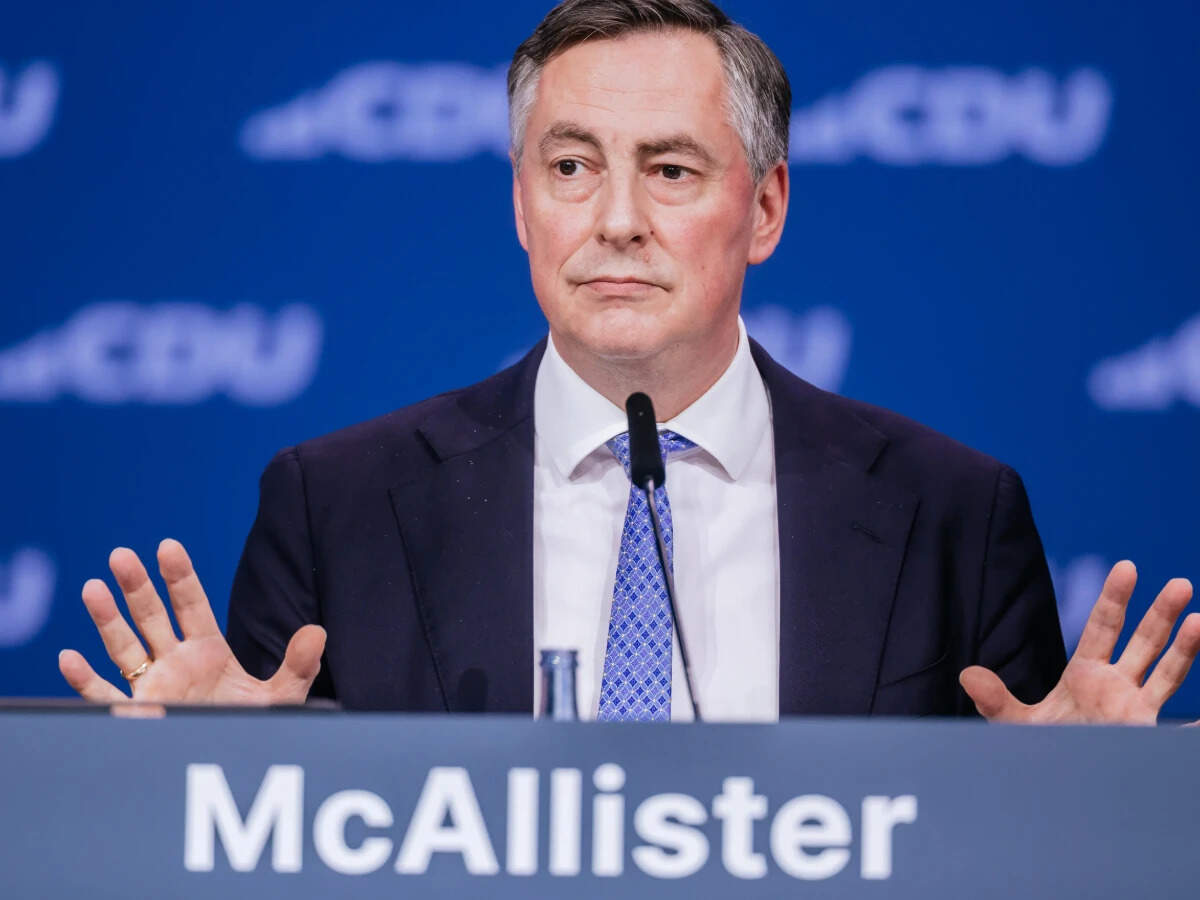
The India-EU Free Trade Agreement (FTA) is expected to be signed by mid-December 2026, with Prime Minister Narendra Modi scheduled to travel to Brussels for the official signing ceremony, according to the European Parliament’s Foreign Affairs Committee Chair, David McAllister. The consent vote for the agreement is anticipated by spring of the following year, enabling the trade pact to officially enter into force by mid-2027, as reported by TOI on Friday.
McAllister emphasized that the comprehensive FTA would endure thorough examination by the European Parliament, yet he expressed confidence in its smooth ratification, citing the substantial benefits it would bring to both India and the EU. He highlighted that the European Parliament has shown broad support for this landmark agreement, which would deepen investment flows and reduce supply-chain dependencies.
The agreement is poised to extend trade liberalization, fostering investment and promoting diversification of supply chains amid increasing concerns over economic interdependencies and geopolitical risks. McAllister underscored the EU's eagerness for advancements in a separate investment protection agreement, which could enhance European investor confidence in India and stimulate investments.
Furthermore, the FTA would facilitate increased collaboration between India and the EU on de-risking supply chains and diminishing dependencies. McAllister suggested key areas for cooperation, including information sharing, research cooperation, and cybersecurity. Both nations expressed interest in strengthening defense-industrial cooperation, with McAllister identifying information sharing, research collaboration, and cybersecurity as pivotal areas for expansion.
The EU and India share a common goal of reducing dependence on any single country to safeguard the strategic sovereignty of the Indo-Pacific region.
Written by urgent.news from The Economic Times - Economy's reporting — not their text. Machine-written — may contain errors; check the original before relying on it.