How the streets and a social media army led Lula to a historic win in Brazil
After ending the first round 2.2 million votes behind his opponent, Flávio Bolsonaro, Lula won the election with a difference of 4 million votes, and will serve a fourth term as president
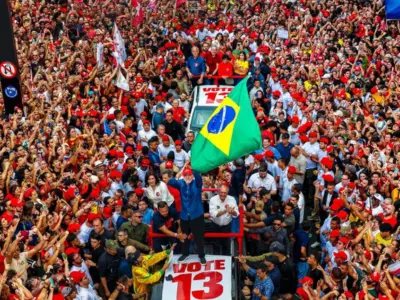
In 2018, Luiz Inácio Lula da Silva, a twice former president of Brazil, was arrested for corruption and money laundering. Despite this setback, Lula managed to rally support from his loyal allies, who hoped for a large crowd to stand by him. On October 25, 2026, Lula emerged victorious, winning the presidency of Brazil for the fourth time.
This historic win came after a landslide victory against Flavio Bolsonaro, who had a 2.2 million vote lead in the first round. Lula's campaign was marked by massive street protests and an online army led by federal deputy André Janones, who recruited 1.5 million people for a WhatsApp channel. The campaign, dubbed "R-factor" or "streets and networks," focused on organizing massive marches and leveraging social media to counteract the right-leaning content dominating online platforms.
Lula’s victory was also attributed to a drop in abstentions, blank and nulled votes, and the inclusion of five million new voters.
Written by urgent.news from Global Voices Brazil's reporting — not their text. Machine-written — may contain errors; check the original before relying on it.