How Netanyahu's bloc gained 83,000 votes but lost 11 Knesset seats
Despite winning more votes than in 2022, Netanyahu's bloc fell from 64 seats to 53 as Arab parties surged from 10 to 19 seats; higher turnout, Shas' collapse and fewer votes wasted below the electoral threshold reshaped Israel's political map
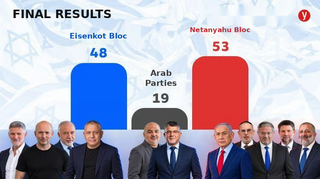
Israeli Prime Minister Benjamin Netanyahu's political coalition has lost ground in the general election, securing 53 seats compared to 48 for the rival bloc led by Gadi Eisenkot. Neither side has the required 61 seats to form a government. Arab-led parties won a record 19 seats, potentially giving them significant influence over coalition negotiations.
Netanyahu's Likud won 27 seats, while Eisenkot's Yashar secured 21. Other parties garnered between 6 and 12 seats. The pro-Netanyahu bloc fell from 68 seats to 53, while the Joint List and Ra am together secured 19 seats, almost double their previous combined representation. Around 78% of eligible voters participated, the highest turnout in decades.
The Central Elections Committee dismissed reports of widespread fraud. The official results will be presented to President Isaac Herzog, who will consult party leaders on the next prime minister. Negotiations for a coalition could extend beyond two months.
Written by urgent.news from The Vibes's reporting — not their text. Machine-written — may contain errors; check the original before relying on it.
This story
This is one outlet's version. Read the fullest account.