How AIPAC and AI Spent Their Money This Midterm Election
Intercept staff take stock of the big spenders this election cycle. The post How AIPAC and AI Spent Their Money This Midterm Election appeared first on The Intercept .
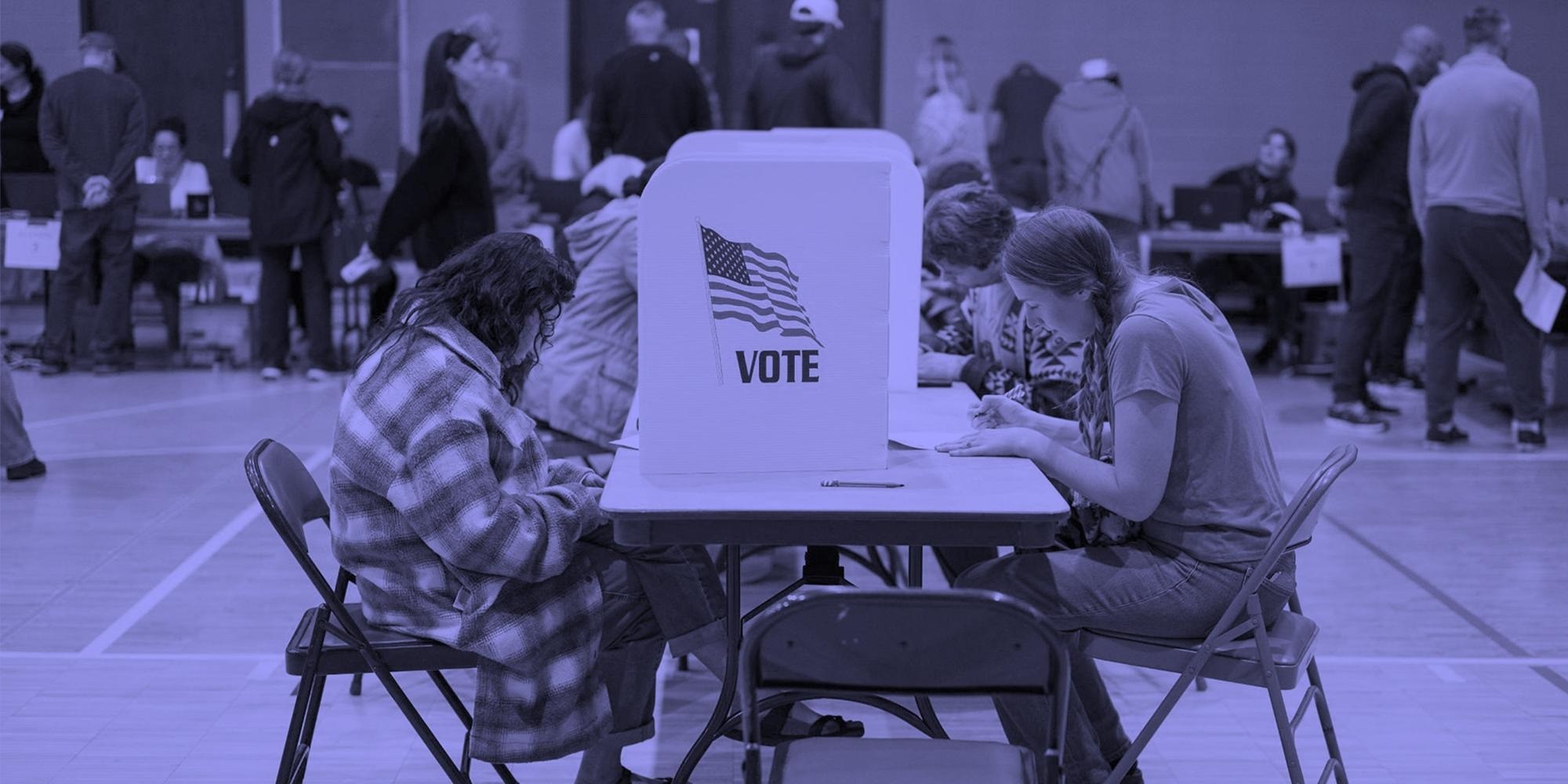
The most expensive election cycle on record, with ad spending topping $4 billion in House and Senate races, is underway. Mega-donors, predominantly from AI, crypto, and online gambling interests, have overwhelmingly backed Republicans. Despite public skepticism of special-interest money, hundreds of candidates continue to accept donations from the American Israel Public Affairs Committee and its super PAC.
Artificial intelligence super PACs, affiliated with OpenAI or Anthropic, have contributed $50.7 million to primaries but are spending much less in general election races, likely due to backlash. Candidates are now attempting to position themselves as more pro-AI safety and pro-AI regulation candidates. The Intercept's Maia Hibbett and Matt Sledge discuss the spending trends and the impact of big money on the midterms.
Written by urgent.news from The Intercept's reporting — not their text. Machine-written — may contain errors; check the original before relying on it.