Hong Kong to be exclusive host of Vinexpo Asia trade fair for next 5 years
Hong Kong will be the exclusive host of Vinexpo Asia from 2027 to 2031, ending the international wine and spirits trade exhibition’s rotation with Singapore. The organiser of the fair, Vinexposium, confirmed its five-year commitment to the city on Friday, signing a memorandum of understanding with the Hong Kong Tourism Board (HKTB). HKTB chairman Peter Lam Kin-ngok called the strategic…

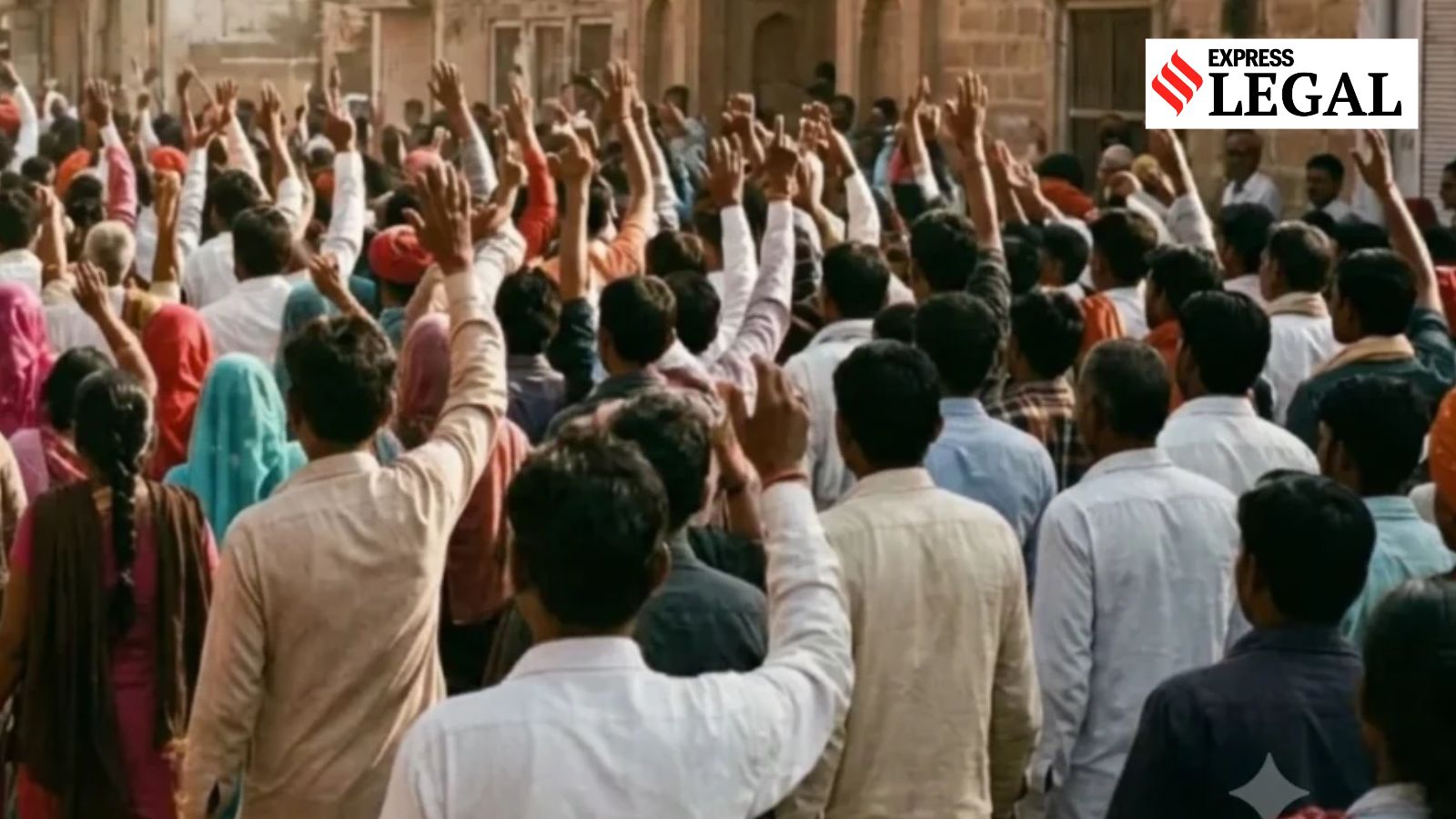
When protesters gather, no one anticipates arrest, injury or witnessing confrontation with law enforcement. Yet, when such events occur, the motivation to return to the streets can shift. Anger may become personal, transforming a protest into a cycle of retaliation and action. This risk is present in France. Initially, student protests were sparked by teacher shortages, crowded classrooms and declining schools.
However, the primary question is no longer why students took to the streets, but whether further provocation and forceful policing will redefine the purpose of their demonstrations. France’s Interior Ministry reported that approximately 410,000 people marched across the country on Saturday, with most rallies remaining peaceful before clashes occurred later in the day.
While grievances extend beyond schools to issues of wages, living costs, and public services, images of burning vehicles, riot police, and looted shops often overshadow these concerns. For international audiences, distinguishing between a peaceful protest and isolated violence can be challenging. During previous protests in Hong Kong in 2019, similar scenarios unfolded: videos of petrol bombs, vandalism, and confrontations circulated widely, but they did not convey the nuances of the movement.
The majority of this weekend’s demonstrations in France appeared peaceful, although clashes erupted in several cities. In Paris, riot police deployed tear gas and water cannons to disperse a group of youths, while in Marseille, demonstrators threw rocks and bottles at security forces. The perpetrators of violence constituted a minority; their actions should not define the broader crowd or undermine the initial grievances that prompted people to protest.
When people feel unheard, they may believe that protest is their only means of visibility. However, once violence takes hold, the original reasons for the protest can be easily overlooked. Police must safeguard individuals and property, and those who attack officers, loot, or intimidate others should be held accountable. The scale of official concern in France is evident in the deployment of 70,000 police and gendarmes, backed by specialist units, armored vehicles, and water cannons.
While such preparedness may be necessary to deter violence, it must be accompanied by restraint and careful judgment. The upcoming presidential election may slightly alter the political atmosphere, but it is unlikely to alleviate the underlying pressures. The discrepancy between protesters’ current demands and what any government can provide may lead to frustration.
Therefore, it is crucial not to allow those seeking only confrontation to dominate the discourse. The subsequent government may face the repercussions, but a cycle of arrests, retaliation, and violence can complicate the resolution of the underlying issues. Simultaneously, maintaining law and order cannot be achieved by treating every demonstrator as a potential threat or by employing excessive or arbitrary force, which could deepen resentment and intensify tensions.
In France, injuries sustained by teenagers and allegations regarding the use of riot-control measures have sparked public criticism and heightened scrutiny. The objective is not to judge individual incidents or excuse violent protests, but to acknowledge the danger of escalation. For individuals witnessing a friend being arrested or witnessing someone being struck or injured, crowd control may not seem like an abstract matter.
Online, the unrest has been portrayed in ways that have little to do with the protesters’ original demands. Misleading images can solidify positions before the facts are fully understood. The issue is not merely whether a video is authentic, but whether it is used to portray an entire movement, police force, or community as guilty by association.
Hong Kong's unrest in 2019 demonstrated how swiftly protests can spiral into confrontation. Allegations of excessive police force were widely documented, while police faced serious violence, including attacks on officers, petrol bombs, vandalism, and assaults on public facilities, as well as doxxing. The protests grew increasingly violent and disruptive, raising concerns that someone could be seriously injured or killed.
Once confrontation becomes the objective, everyone—students, police officers, commuters, shopkeepers, and families anxiously awaiting loved ones—is at greater risk. In France, if violence prevails, the students’ peaceful motivations for demonstrating will be overshadowed, and those most inclined to incite chaos will define how the protests are perceived.
Written by urgent.news from South China Morning Post - Hong Kong's reporting — not their text. Machine-written — may contain errors; check the original before relying on it.
This story
This is one outlet's version. Read the fullest account.
- Hainan economic, trade delegation visits Hong Kong for investment promotion, 2 cooperation memoranda signed thearabianpost.com
- Hong Kong artist dismayed as works stolen hours before exhibition due to open scmp.com
- Hong Kong’s leader apologises for deadly high-rise fire thechronicle.com.gh
- Hong Kong’s leader apologises for residential fire that killed 168 people theguardian.com
- Hong Kong leader apologises and housing minister resigns after fire investigation exposes failures france24.com
- Singaporean tourist bears permanent scars as Hong Kong teen gets 8 years for $1,200 acid attack e.vnexpress.net