Government Files Economic Recovery Bill in Colombia’s Congress
For the government of Abelardo de la Espriella, “Colombia is sitting on a time bomb.” It claims that it inherited public finances from the administration of his predecessor, Gustavo Petro, that were “in an unprecedented situation.” Therefore, in order to save the country’s finances and prevent social and economic effects that would be “devastating for […]
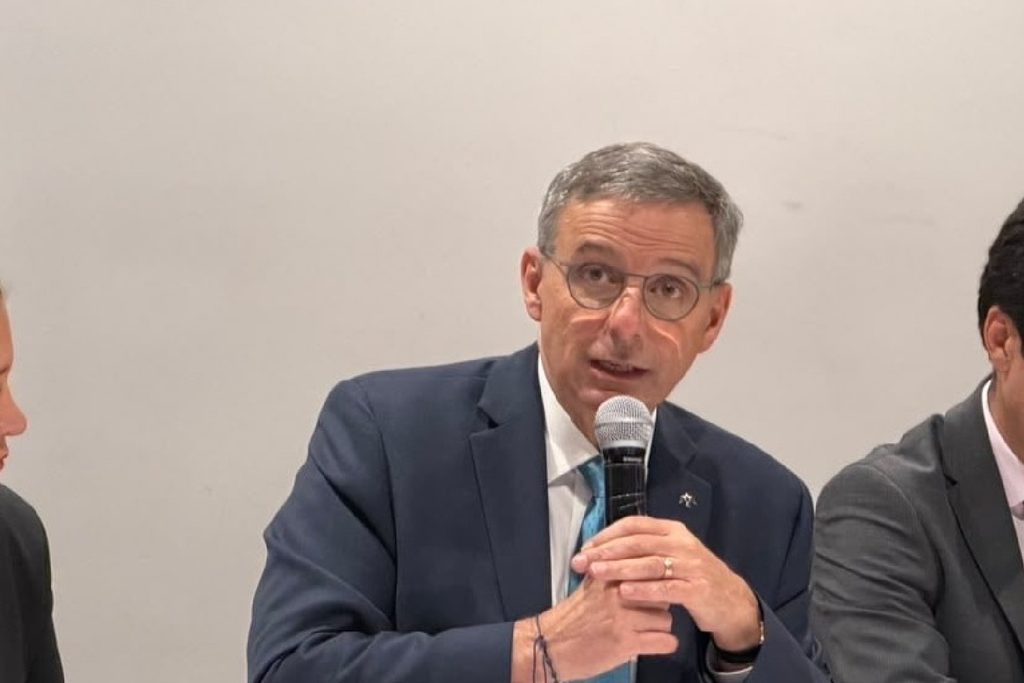
In Colombia, the government of President Abelardo de la Espriella has introduced an Economic Recovery Bill in an effort to address the country's precarious financial situation, according to a report from X: @MinHacienda. Finance Minister Gomez Martinez asserts that the administration inherited public finances from the previous administration of President Gustavo Petro that were "in an unprecedented situation."
The government claims that the bill aims to ensure Colombian citizens a "economically viable" future for themselves and future generations. The State currently spends over 40 trillion pesos (US$12.7 million) per month, while the debt servicing has increased from 118 trillion to 155 trillion pesos (US$49.2 million) per year. This financial strain has led to discussions of job losses and potential recession, with Vice President of the Republic Jose Manuel Restrepo emphasizing the urgency of the Economic Recovery Bill to prevent bankruptcy and unemployment.
The bill proposes a series of measures to address the fiscal crisis, including a reduction in spending on service contracts by 50%, a 20% cut in government operating expenditures, and rationalization of government procurement. Additionally, the bill calls for the review and sale of over 250 transfers and 50 public funds, which have contributed to inefficiency, corruption, and waste. Healthcare, basic education, drinking water, and pensions will remain protected under the new legislation.
The Economic Recovery Law also includes a comprehensive VAT reform, aimed at providing relief to low-income households. Two out of every three Colombians will receive a full refund of the VAT they pay, averaging 231,000 pesos (US$73.4) per month. An additional 16.5 million people will receive a refund of up to 50% of their VAT. The money will be directly deposited into beneficiaries' accounts within fifteen days, even for those without bank accounts, who will receive their payments via postal delivery.
The implementation of the VAT refund is scheduled to begin in 2028, but the government plans to make an advance payment to beneficiaries by December 20, 2027. Those currently receiving VAT compensation will continue to receive it until they transition to the new system. The Finance Minister emphasizes that millions of poor Colombians have been unjustly burdened by the same VAT as wealthier citizens, and that the Economic Recovery Law seeks to rectify this situation.
Written by urgent.news from Colombia One's reporting — not their text. Machine-written — may contain errors; check the original before relying on it.