Former esports commentator builds his own custom mouse shell generator for 3D printing that doesn’t use AI — Mausstudio automatically detects buttons, screwholes, and sensor locations
A Counter-Strike commentator just showed the demo of his customizable gaming mouse shell generator for 3D printing that detects key components like mouse buttons, the scroll wheel, and screw hole locations without using AI.
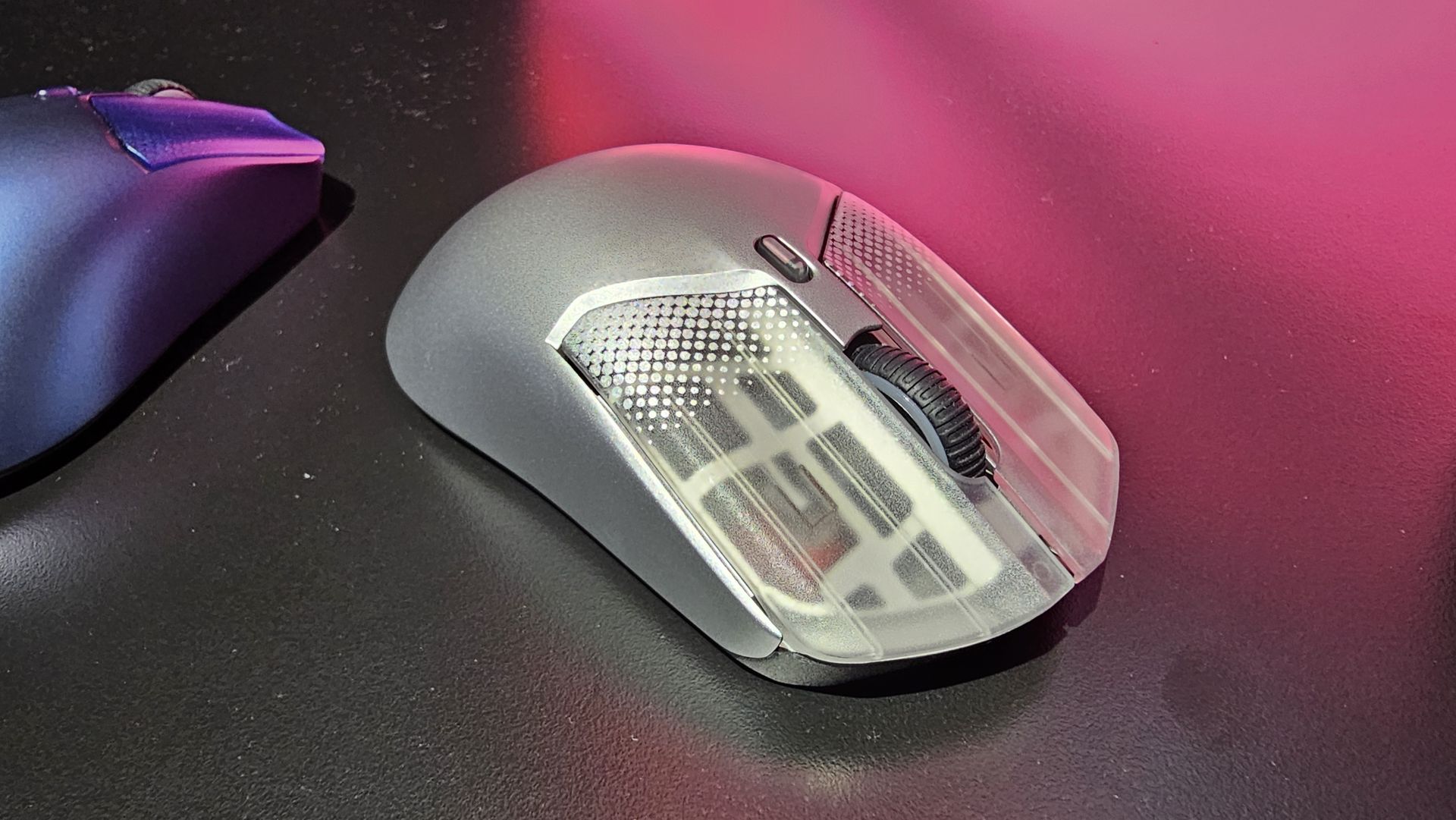
Bastian Recha, a German former CS:GO commentator, tech reviewer, and 3D printing enthusiast, has created a custom 3D-printed mouse shell generator called "Mausstudio." The software was demonstrated on October 28, 2026, via a video posted on X, showcasing its ability to generate a customizable mouse shell around an imported 3D model of a mouse PCB. Mausstudio runs locally, using mathematics and algorithms, and does not employ AI in generating the geometry.
The tool imports an STL 3D file of a mouse PCB, such as the Razer Viper V2 Pro or Zaunkoenig M2K PCBs, and detects the locations of key components including mouse button switch locations, sensor location, scroll wheel location, and screw hole locations. Users can then adjust the width, length, and height of the mouse, as well as the location of the hump. Additional customizations include weight-reducing cutouts for the upper and lower shell, and the option for a fully enclosed shell without cutouts.
One notable feature of Mausstudio is its ability to create a battery shelf, allowing users to customize the location of the battery and its shelf size by inputting the battery's dimensions. This feature, according to Bastian, is often overlooked in many custom 3D-printed mice, which typically rely on hot glue or double-sided tape for battery placement.
Bastian has not yet announced a release date for Mausstudio or whether it will be available for purchase or free of charge. However, he has shared updates on improvements since the demo, including the ability to edit detected component assignments, additional side button control, saving shell designs for use on other PCBs, and cleaner geometry. It remains to be seen if the software can handle split PCBs like the G Pro X Superlight, but support for that feature may be added in the future.
Written by urgent.news from Tom's Hardware's reporting — not their text. Machine-written — may contain errors; check the original before relying on it.