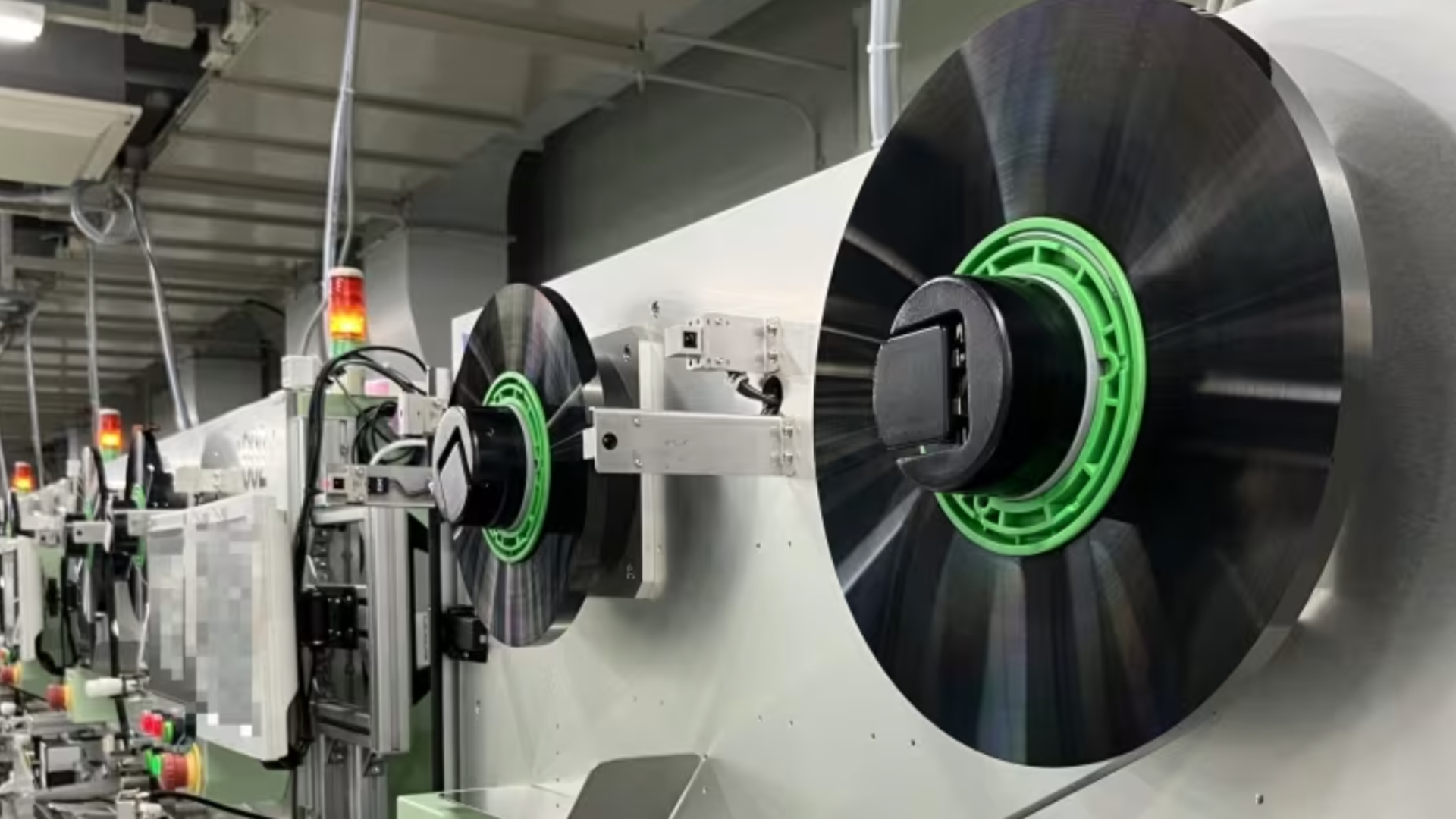
Filing: Vancouver, WA-based Powerlattice, which makes a power delivery chiplet to reduce AI compute power needs by 50%+, raised $86M, after raising $31M in 2025 (Kurt Schlosser/GeekWire)
Powerlattice, a Vancouver, Wash.-based startup developing chips that cut the power demands of AI processors, has raised $86 million, according to an SEC filing on Friday.
On October 30, 2026, PowerLattice, a Vancouver, Washington-based chip startup, secured $86 million in funding as disclosed in an SEC filing. The company aimed to raise up to $111 million from 18 investors, though specific investor names and round type were not released. This funding represents nearly three times the $31 million raised when the company emerged from stealth in November 2025.
Earlier that week, on October 26, PowerLattice showcased a first-in-industry monolithic integrated voltage regulator chiplet, which integrates power conversion close to the consuming chip.
Founded in 2023 by alumni of Qualcomm, NUVIA, and Intel, PowerLattice has raised approximately $117 million overall. An integrated voltage regulator (IVR) moves power conversion closer to the consuming chip, potentially reducing AI compute power needs by over 50% and delivering approximately twice the performance within a fixed data center power budget. These performance gains are based on company statements from the demonstration, not independently verified results.
The first batch of chiplets is being produced by TSMC in collaboration with an undisclosed manufacturing partner. The earlier $25 million Series A round was led by Playground Global and Celesta Capital, with former Intel CEO Pat Gelsinger serving as a general partner on the company's board. Data center operators could benefit from PowerLattice's advancements, as power delivery directly limits the number of accelerators a facility can run.
If the claimed 50% reduction in power needs holds up under independent measurement, operators may reassess rack density and cooling budgets, and the company's performance figures could significantly impact the economics of individual accelerators.
For procurement and vendor risk teams, the funding signal indicates the company is transitioning from demonstration to manufacturing, with $117 million in funding and production at TSMC. Engineering teams should monitor the named partners, independent benchmarks, and qualification data before considering the published performance figures as definitive. PowerLattice's demonstration and press release were reported by GeekWire on October 30, 2026, and can be found on powerlatticeinc.com.
Written by urgent.news from Dev.to's reporting — not their text. Machine-written — may contain errors; check the original before relying on it.
This story
This is one outlet's version. Read the fullest account.