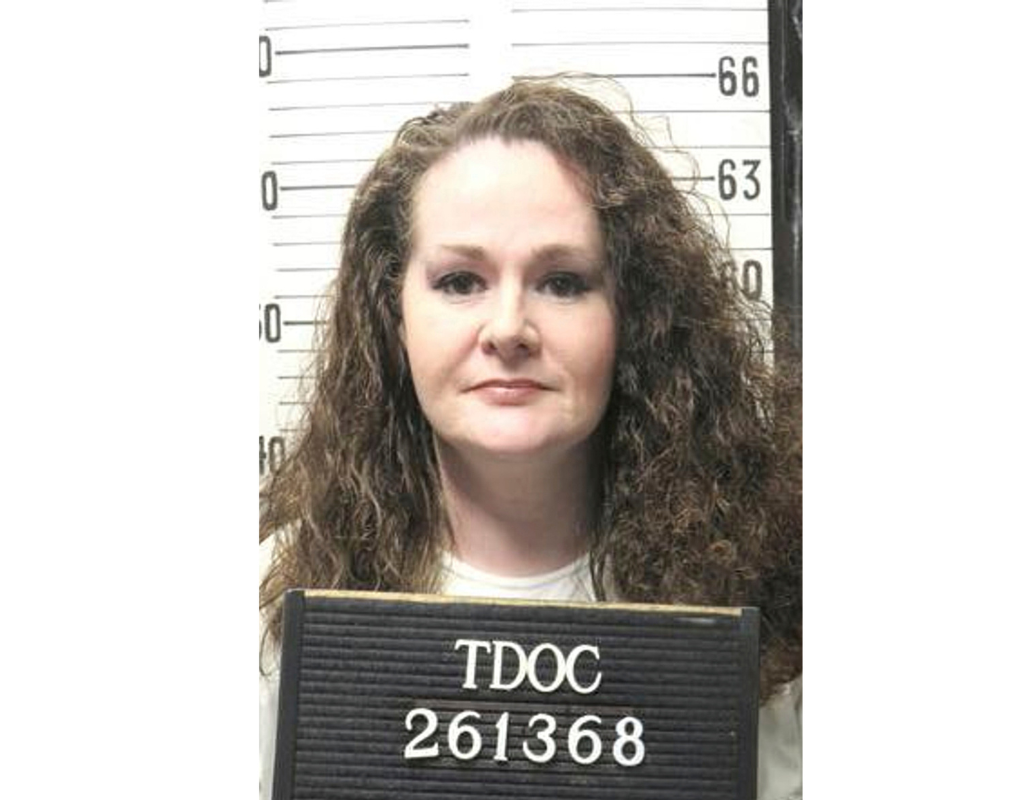
Durban court orders limits on March and March marches and conduct
The Durban High Court has imposed interim restrictions on March and March protests after police raised concerns about alleged violence and a possible attack on a refugee reception centre. The movement disputes the characterisation of its demonstrations as violent.
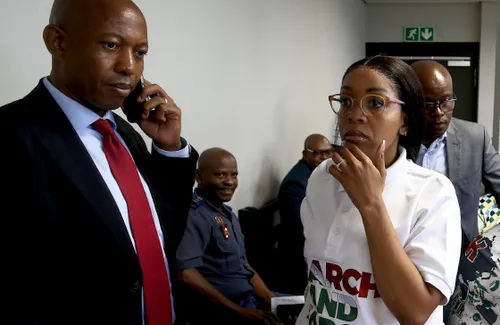
The Durban High Court has imposed restrictions on protests scheduled for the period leading up to South Africa’s 4 November 2026 local government elections. Members of March and March and those joining their anti-illegal immigration protests are barred from demonstrating during the election period. When their protests resume, they can only take place between 10am and 3pm.
Additionally, protesters are prohibited from carrying weapons, obscuring their faces, or engaging in violent conduct. March and March attorney Xolani Zuma stated that the movement would resume its protests after November 6, emphasizing the court's prohibition on carrying sticks, knobkerries, and other weapons during marches. Zuma urged supporters to comply with the court order to avoid further legal action.
The decision to ban weapons sparked discontent among marchers, who attach significance to their Zulu accessories during demonstrations. March and March leader Jacinta Ngobese-Zuma attempted to pacify the crowd, explaining that they faced a dilemma between marching without sticks or not marching at all. The court's order follows an application by Acting Police Minister Firoz Cachalia and KZN Police Commissioner Nhlanhla Mkhwanazi, who sought an interdict prohibiting the movement from marching in Durban's CBD and near the Home Affairs Refugee Reception Centre on Che Guevara Road.
Cachalia defended the police's court action, stating that unannounced protests place additional pressure on law enforcement, potentially leading to violence, arson, and loss of life. He warned that such demonstrations could result in attacks on civilians, arson, and serious injuries or deaths. Cachalia emphasized that organizers and leaders bear the responsibility to prevent demonstrations from turning violent, criminal, or lawless.
He highlighted the risks faced by police officers deployed to volatile situations, urging them to consider the challenges they would encounter. Cachalia clarified that the application was not aimed at denying people their right to protest but sought to clarify the legal parameters within which demonstrations should occur, ensuring a free and fair election.
Written by urgent.news from IOL's reporting — not their text. Machine-written — may contain errors; check the original before relying on it.
This story
This is one outlet's version. Read the fullest account.