Democracy Is Not For Sale: Vote-buying threatens Ghana’s democracy – Prof Jonathan Asante Okyere
Political Science lecturer at the University of Cape Coast (UCC), Prof Jonathan Asante Okyere, has described vote-buying as a major threat to Ghana’s democracy, warning that the practice is undermining the country’s electoral process. He said the practice had become widespread, with political parties and their candidates increasingly using material inducements to influence voters and […]
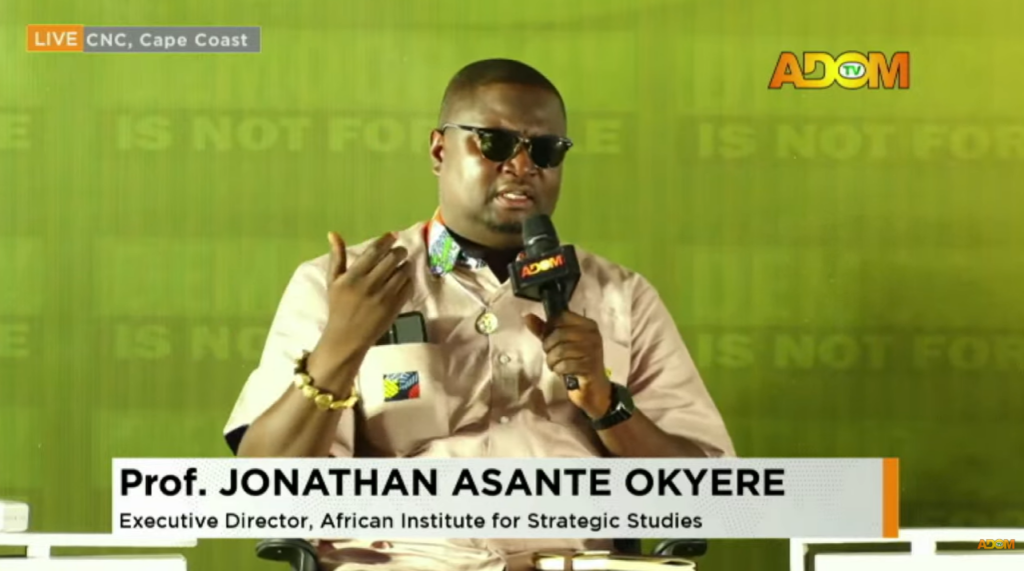
Political Science lecturer Prof Jonathan Asante Okyere, from the University of Cape Coast, has warned that vote-buying is a grave threat to Ghana's democracy. This practice is becoming increasingly prevalent, with political parties and candidates resorting to material rewards to sway voters and delegates, he states. During the "Democracy Is Not For Sale" programme held in Cape Coast, Prof Okyere emphasized that all political parties share responsibility for this issue.
He noted that while Ghanaians are accustomed to expressing gratitude with gifts, the practice has shifted towards expecting payment for support, leading to the distribution of high-value items such as televisions, dollars, and motorbikes during elections. Candidates are now required to provide such inducements to delegates in order to secure their votes, causing the focus of political contests to shift from ideas and competence to financial strength.
Prof Okyere believes those financing vote-buying bear the primary responsibility for ending the practice, arguing that without those offering inducements, there would be no recipients. "If there is no giver, there can never be a receiver. The people who are giving have more power than those receiving, so if they want to stop that culture, they can," he said.
The lecturer attributes the rise of vote-buying to a lack of trust in political leaders, with some voters and delegates accepting money and gifts due to fears that candidates might not return to serve them post-election. However, he considers this situation unhealthy for democratic development, asserting that elections should be determined by the merit of ideas, not the financial resources of candidates.
Prof Okyere also acknowledged that delegates face logistical expenses when attending party conferences, including transportation and accommodation. He praised the New Patriotic Party (NPP) for covering these costs at their conference, suggesting this could alleviate the financial burden on candidates and limit opportunities for inducement.
"In a democracy, logistics such as transportation and accommodation are necessary, and these come with significant costs. I appreciate the approach the NPP took for their conference, where the party covered these expenses. This helps ensure that no candidate can use personal resources to influence delegates’ votes. "However, despite this effort, the issue of undue influence remains a significant challenge," he concluded.
Written by urgent.news from Adom Online's reporting — not their text. Machine-written — may contain errors; check the original before relying on it.