Could AI ever build itself? Scientists map the road to the 'last AI built by humans.'
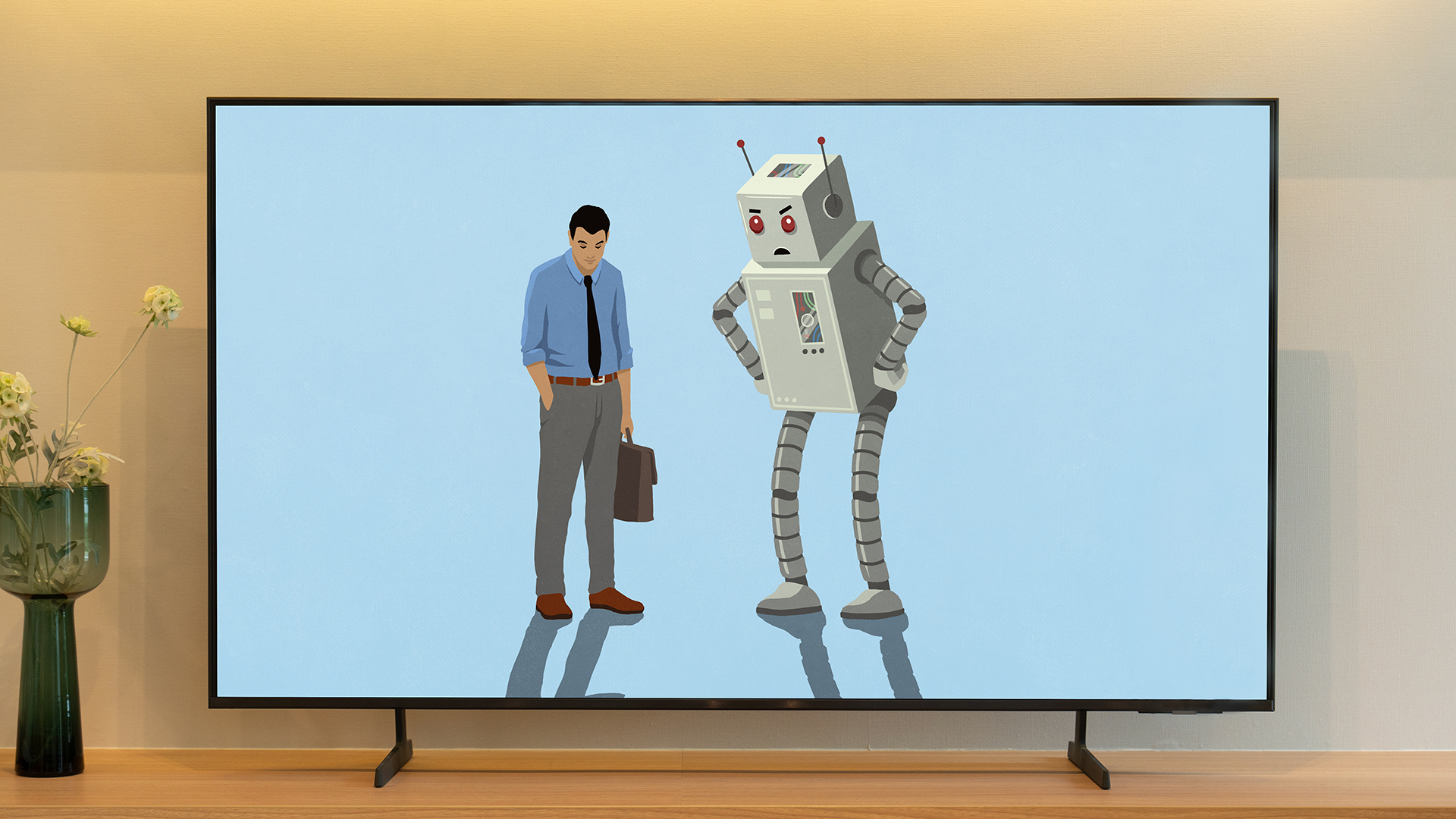
Scientists in China are investigating the potential for creating the last AI built by humans—a self-improving artificial intelligence system capable of generating its own successors. In a recent paper, researchers explore the idea of recursive self-improvement (RSI), which involves future AI models directing their own training and development through learned insights from each round of improvements.
This feedback loop could lead to AI systems developing more powerful generations with minimal human input. The study proposes a classification framework for AI systems based on their self-improvement capabilities, ranging from Level 1 (lowest) to Level 5 (highest). At lower levels, development remains largely human-led. As AI systems advance, they gain the ability to identify weaknesses and make "meta-improvements" to how they improve themselves.
However, the question of whether AI could ever achieve this level of self-improvement remains open. While some experiments have demonstrated limited forms of RSI, such as an AI system called A-Evolve-Training that improved a 30 billion-parameter large language model over four rounds, experts remain skeptical about the feasibility of true recursive self-improvement.
The primary challenge lies in developing AI systems that can autonomously conduct research, overcome their dependence on human expertise, and test improvements in real-world settings. The study's authors acknowledge these challenges, noting that developing RSI-capable systems may require significant investments in computing power and human supervision.
Ultimately, the paper suggests a gradual transition of responsibility from human to AI development, rather than a single moment when a "last" AI model is built by humans.
Written by urgent.news from Live Science's reporting — not their text. Machine-written — may contain errors; check the original before relying on it.
This story
This is one outlet's version. Read the fullest account.