China’s central bank steps up shift toward overnight rate as policy anchor
Effective Monday, the People's Bank of China will carry out the overnight operations through a fixed-rate, quantity-based tender on each business day, with the operating rate currently at 1.25%.
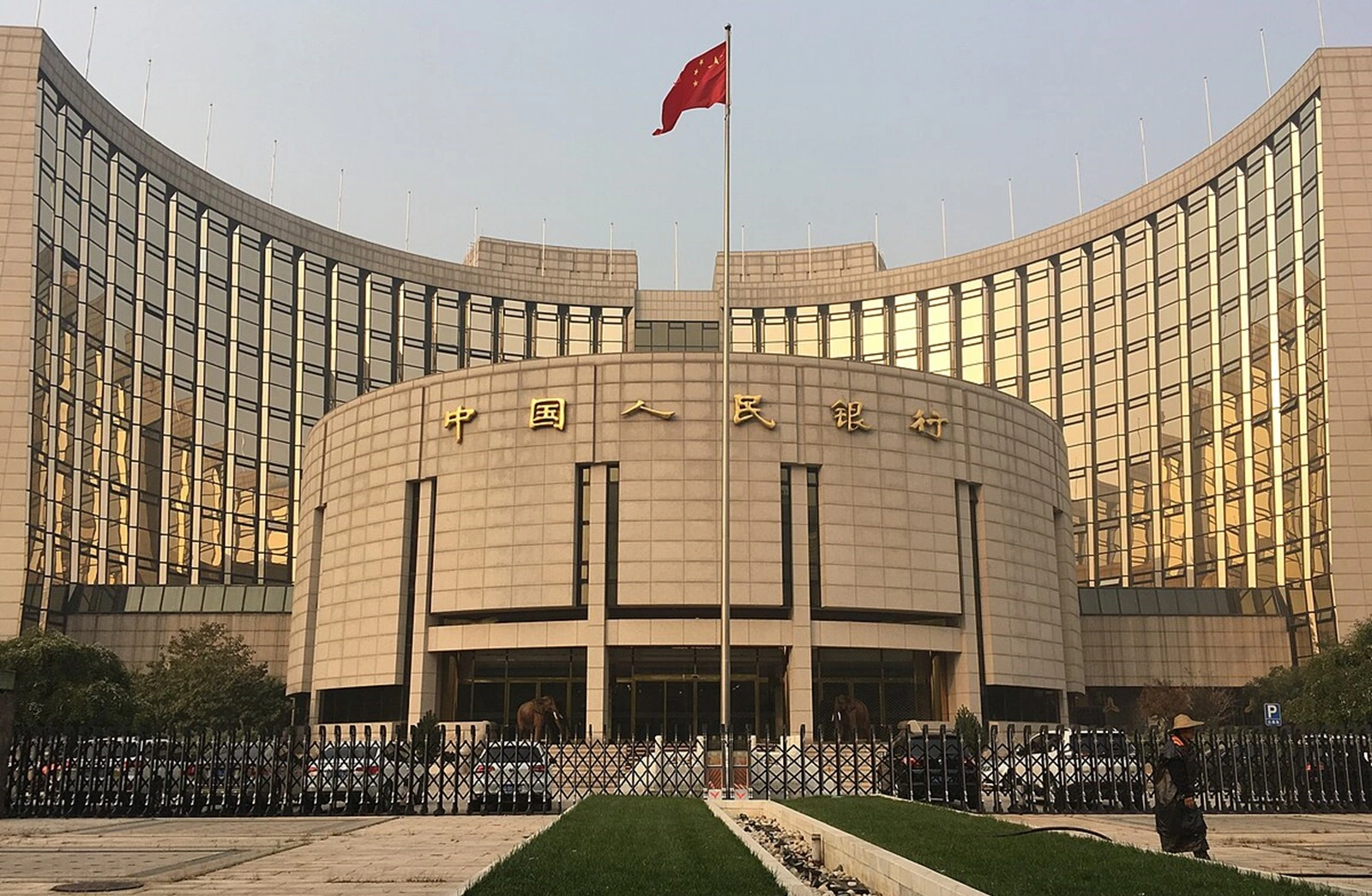
The People's Bank of China announced on Friday that it would conduct overnight reverse repo operations every business day starting next Monday, as part of a move towards making the rate its primary policy anchor. The central bank will carry out the overnight operations through a fixed-rate, quantity-based tender on each working day, with the operating rate currently set at 1.25%.
This step, which was previously announced earlier this month, is seen by market observers as a significant shift towards an overnight-rate-based operating system, similar to those used by major central banks such as the Federal Reserve, European Central Bank, and Bank of Japan. Zhou Hao, chief economist at Guotai Junan International, noted that the move is the clearest signal yet of China's central bank's transition to an overnight-rate-based system.
PBOC Governor Pan Gongsheng had previously stated that the central bank was exploring the switch to using the overnight reverse repo rate as its main policy instrument. The newly disclosed overnight operation rate of 1.25% falls within market expectations and current borrowing costs, and is lower than the 7-day reverse repo rate of 1.4%.
In its statement, the PBOC also revealed that its seven-day reverse repo operations will transition to a fixed-quantity, interest-rate tender with multiple winning bid rates. These operations will primarily take place during tax payment periods and at month-ends. Additionally, other previously priced financial tools, such as temporary and reverse repo operations, as well as repo facilities for overseas central bank-type institutions, will now be priced at a spread to the overnight reverse repo rate, with the spread sizes remaining unchanged.
Written by urgent.news from Free Malaysia Today's reporting — not their text. Machine-written — may contain errors; check the original before relying on it.