China stocks slip, set for 12th straight weekly loss on AI-led selloff
SHANGHAI: China’s blue-chip shares edged lower on Friday and were headed for a 12th consecutive weekly loss, as a global selloff in AI stocks weighed on sentiment, though Hong Kong-listed internet companies bucked the trend. China’s blue-chip CSI300 Index dropped 0.4% to a one-year low by the lunch break, while the Shanghai Composite Index lost 0.3%. Hong Kong benchmark Hang Seng was up 1.6%. The…
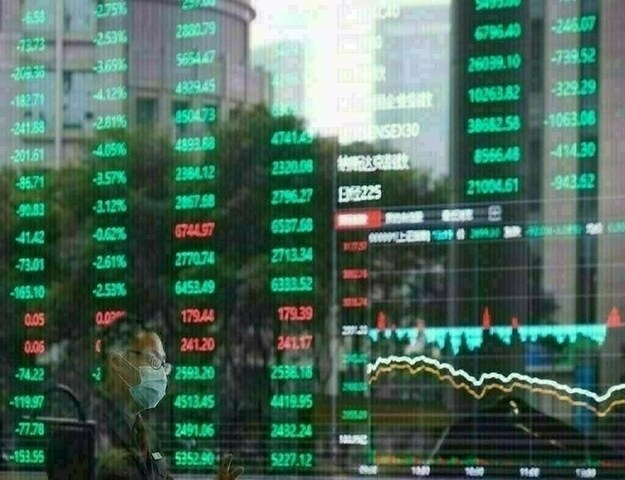
Shanghai's blue-chip shares slid on Friday, setting the stage for a 12th consecutive weekly decline on Wall Street due to a global sell-off in AI-related stocks, although Hong Kong's internet companies managed to avoid the downward trend. The China Securities Index CSI300 fell by 0.4% to its lowest level in a year by midday, while the Shanghai Composite Index dropped by 0.3%.
The Hong Kong-listed Hang Seng Index, however, managed to rise by 1.6%. For the week, the CSI300 Index dropped 0.9% and by 7.6% for the month, on track for its biggest monthly decline since July. Over the past 12 weeks, it has lost 14%, marking the longest losing streak ever recorded. AI-linked shares on the mainland led the declines following overnight losses in New York and other Asian markets.
Alphabet, Amazon, and Intel's shares all experienced a decline due to concerns over AI cash burn. SK Hynix, a leading memory chip manufacturer, saw its shares decrease by more than 7%. The tech-focused STAR50 index, which is based in Shanghai, also fell by 1.8%. Despite the broader market slide, shares of Chinese optical module producer Eoptolink Tech fell by nearly 8% and were down 46% this month.
On the positive side, consumer staples shares in Hong Kong rose by 1%. Tech giants listed in Hong Kong rebounded, increasing by 1.4%, although the index still hovers near its lowest level in two years. Kenneth Fong, head of China internet research at UBS, noted that at valuations of 10-11 times price-to-earnings after accounting for new AI investments, some stocks are increasingly treating the spending peak as a permanent earnings burden, while assigning limited value to normalisation of future cash flows or successful AI monetisation.
Written by urgent.news from Business Recorder's reporting — not their text. Machine-written — may contain errors; check the original before relying on it.