Binance's $6.3bn hack exposes crypto's dependence on the middlemen it was built to replace
The most revealing part of crypto's largest theft was not the hack itself, but how much of the stolen money could be stopped by a handful of private companies. Within hours, Tether froze more than $1.56 billion of USDT, Circle blocked more than $800 million of USDC, and Ripple and World Liberty Financial added several hundred million between them. By Friday, Binance put the frozen total near $3…
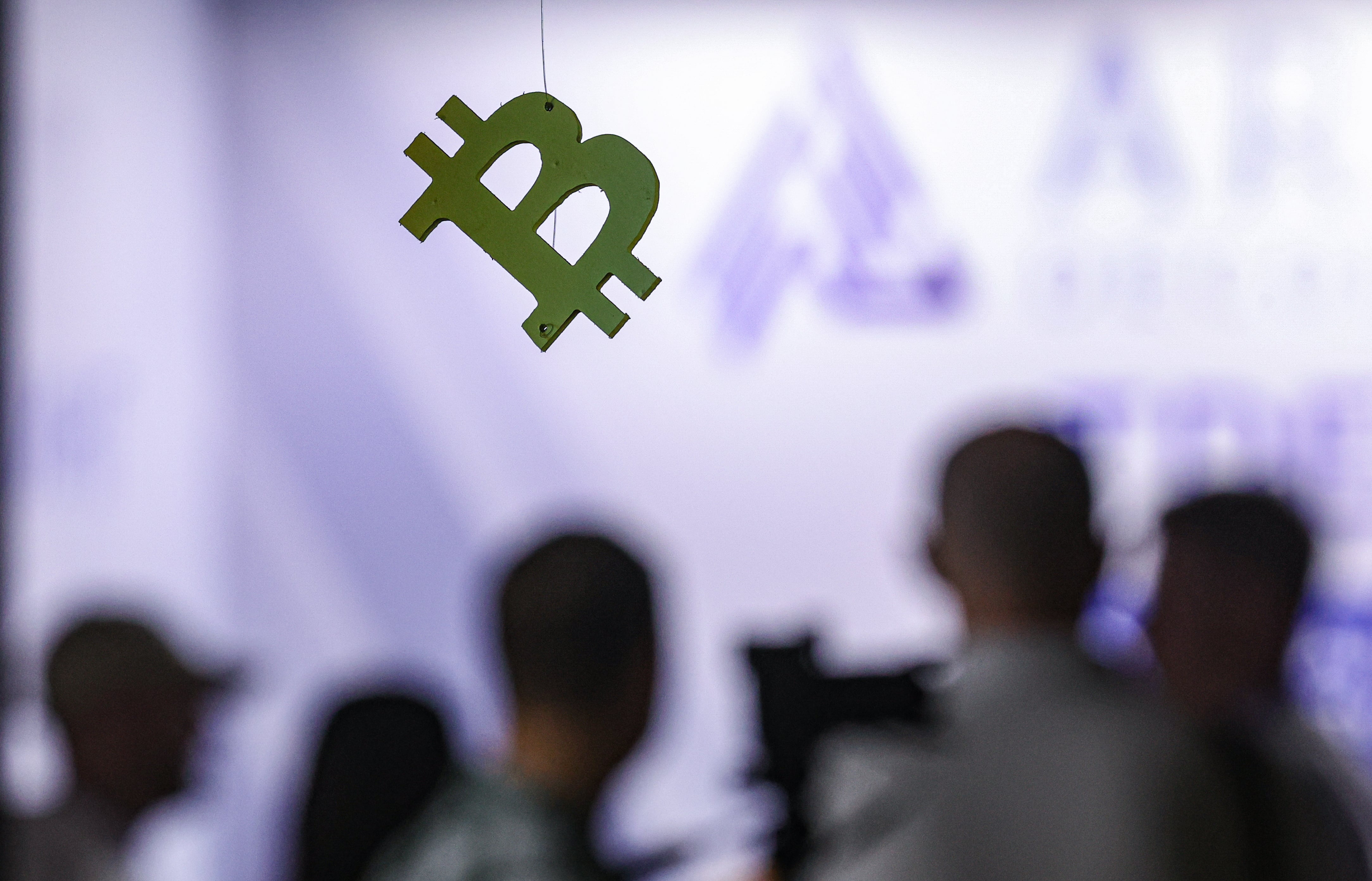
The most striking aspect of the biggest crypto theft was not the hack itself, but the extent to which private companies were able to halt a significant portion of the stolen funds. Within hours, Tether froze over $1.56 billion of USDT, Circle blocked more than $800 million of USDC, and Ripple and World Liberty Financial together froze several hundred million.
By Friday, Binance had frozen a total of nearly $3 billion. Despite crypto's promises of removing intermediaries, the theft exposed its dependence on these very same companies to protect funds.
Bitcoin and Ether function as bearer instruments, meaning whoever possesses the valid signature owns the coin. However, stablecoins operate differently, with issuers, registers, and delete keys in place. On Thursday, the industry witnessed all three components being used simultaneously. The attacker, understanding this better than most, deposited $60 million of USDT into Aave's lending protocol and borrowed $45 million worth of wrapped Ether, which remained unsecured while the Ether itself was still freely accessible.
Crypto Twitter quickly hailed this maneuver as the "cleverest trade in the industry's history," though its value was debated. The arithmetic, however, was uncomfortable, as the recoverable portion of stolen assets matched those that functioned most like traditional money. Permissionless crypto transactions walked out while behemoth intermediaries stepped in to make customers whole.
The root of the problem lies in a mundane incident: Binance's security lapse, where a compromised DevOps engineer's laptop was used to request unauthorized withdrawals. Binance, lacking evidence of leaked wallet private keys, promised to cover losses and suspended operations. The market's reaction was surprisingly calm, with BNB dropping 7%, Bitcoin falling below $77,000, and $1.5 billion of leverage liquidated.
For the largest exchange heist ever, the response was remarkably measured. Professionals managing multi-million dollar portfolios across exchanges, stablecoins, and DeFi collateral did not view this as existential, suspending some withdrawals only to have them reversed as controls were reinstated. The risk was not solvency but accessibility, as the funds never truly vanished, merely becoming inaccessible.
Month-end accounting further complicates the situation, forcing administrators to value unmovable assets, potentially inflating negative valuations.
October has become a troubling month, with similar liquidations occurring after a tariff announcement last year. The timing of this incident, coupled with the CLARITY Act's failure in the US Senate and upcoming midterm elections, raises concerns about regulatory progress. Ultimately, the industry's vulnerabilities extend beyond cryptography to include laptops, issuer control, and political timetables. Despite Binance's commitment to reimburse customers, the deeper question remains: where does risk truly reside?
Written by urgent.news from The National Business's reporting — not their text. Machine-written — may contain errors; check the original before relying on it.
This story
This is one outlet's version. Read the fullest account.
- PB Fintech Q2 profit surges; Binance suffers $6.3 billion crypto hack economictimes.indiatimes.com
- Crypto exchange Binance halts withdrawals after S$8 billion hack mothership.sg
- Crypto giant Binance hit by $6.3bn hack suspected to be largest in history myjoyonline.com
- Binance's $6.3bn hack exposes crypto's dependence on the middlemen it was built to replace thenationalnews.com
- Crypto giant Binance hit by $6.3bn hack suspected to be largest in history kahawatungu.com
- Crypto giant Binance hit by $6.3bn hack suspected to be largest in history bbc.co.uk
- Binance reports $6.3 billion security breach, freezes $3 billion in crypto gulfnews.com
- Bitcoin drops below US$77,000 as Binance hack shakes crypto businesstimes.com.sg