Binance hack could accelerate shift to DEXs: Standard Chartered
Standard Chartered’s Geoffrey Kendrick says the breach could accelerate a shift toward decentralized trading and strengthen his case for Uniswap’s UNI token reaching $100 by 2030.
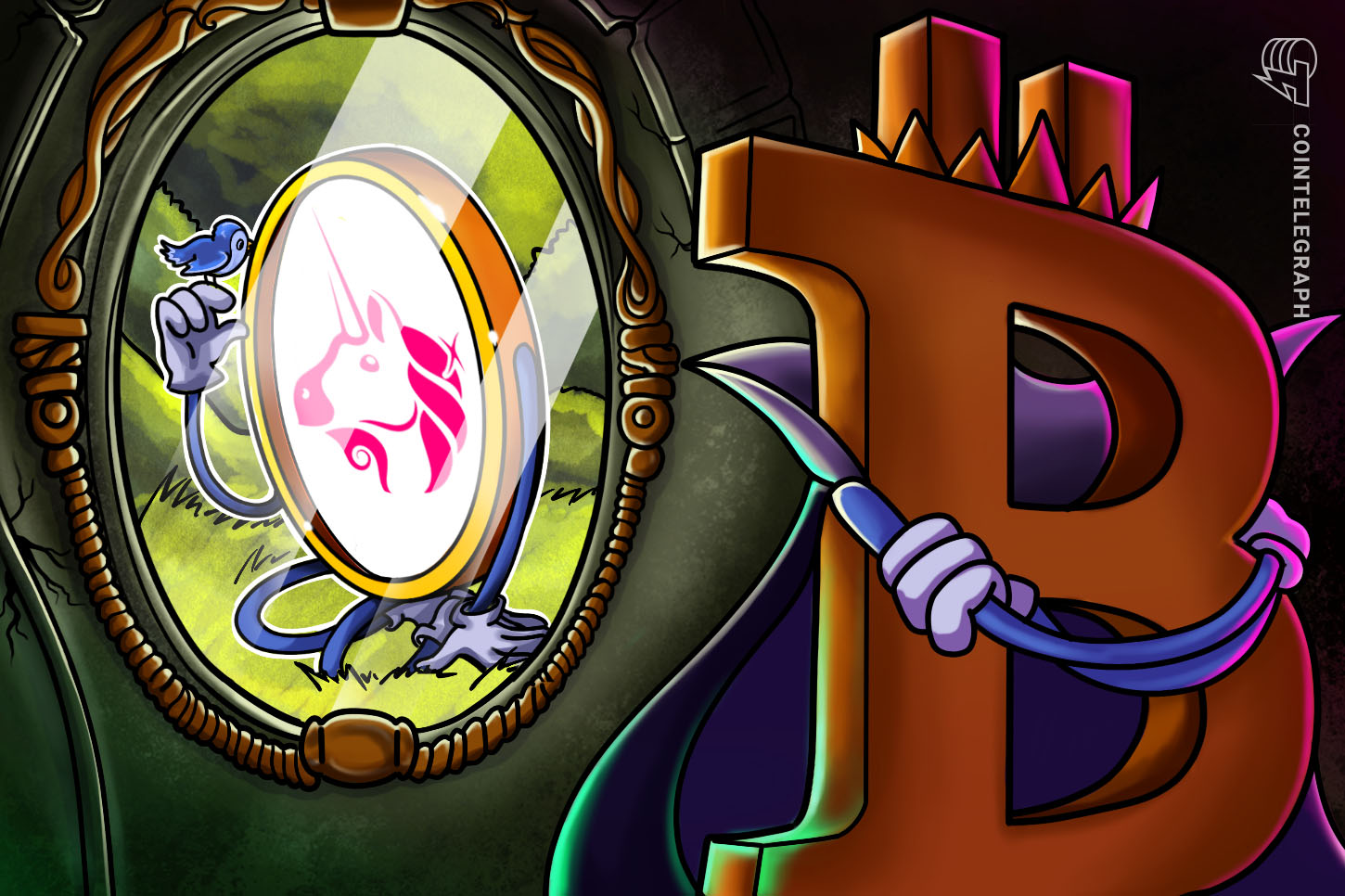
Standard Chartered's Geoffrey Kendrick believes the Binance hack could catalyze a shift towards decentralized trading platforms, bolstering his prediction that Uniswap's UNI token could reach $100 by 2030. Kendrick states that the breach could drive a greater share of trading volume on decentralized exchanges (DEXs) relative to centralized platforms (CEXs).
While acknowledging that investors should monitor the aftermath of the Binance attack on the market, he encourages them to re-consider their investment in Uniswap, noting its strong track record of zero exploits in comparison to other DEXs. CoinGecko data reveals that DEX-to-CEX trading ratio has risen to 23.5% in Q2 2026, up from 21.4% in Q1 2026.
Kendrick maintains his price target of $100 for UNI in 2030, asserting that the Binance hack provides further justification for this forecast. This forecast aligns with Standard Chartered's earlier belief that assets locked in decentralized finance (DeFi) could reach $2.7 trillion by 2030, with Uniswap emerging as a critical trading platform for tokenized assets.
Kendrick predicts ongoing negative price trends in the short term following the Binance hack, citing declines in cryptocurrency markets and specific tokens such as BNB and Bitcoin. Additionally, decentralized finance tokens like Aave's AAVE and Uniswap's UNI have also experienced price drops. Kendrick cautions that only after assets are released and more details about the hack surface will a clearer picture of the situation emerge.
Written by urgent.news from Cointelegraph's reporting — not their text. Machine-written — may contain errors; check the original before relying on it.