Aztec methods and crocodiles: How biologists are restoring mangroves in Mexico
In 2017, Omar Trujillo Santos was sitting in a small wooden boat holding a crocodile, its skin soft like a snake. He helped untie the reptile, a juvenile Morelet’s crocodile, and carefully guided it into the dark water. It swam off to find a new home in the Alvarado Lagoons System in Veracruz, southeastern Mexico, […]
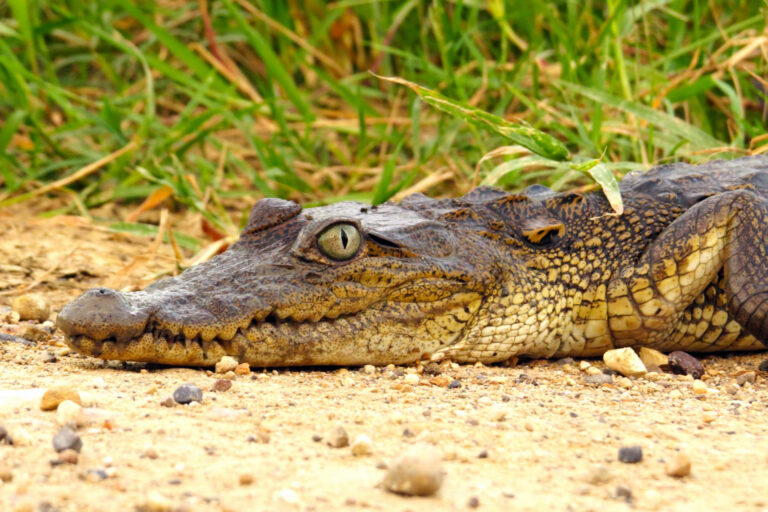
In 2017, Omar Trujillo Santos assisted in a mangrove restoration project in Veracruz, southeastern Mexico, by releasing a juvenile Morelet’s crocodile into the Alvarado Lagoons System. This remarkable initiative, led by the nonprofit REVIVE, seeks to restore not just mangrove trees, but the entire ecosystem, by employing ancient Aztec-inspired planting methods. The project's success has garnered attention, with conservationists hoping it inspires the use of crocodiles in future mangrove restoration endeavors.
According to Mexican biologist Aníbal Ramírez Soto, who has been working with mangroves since 2006, ancient Aztec methods hold the key to successfully restoring these vital ecosystems. Soto began planting mangrove seedlings in the wetlands around the Alvarado lagoons in 2006. However, many subsequent conservation projects have faltered, as seedlings and young trees often perish due to improper planting techniques or unsuitable locations.
The REVIVE project aims to address these challenges by combining traditional Aztec planting methods with the presence of crocodiles. This unique approach has led to the complete restoration of a mangrove forest, demonstrating the potential for combining indigenous knowledge with modern conservation techniques. Mangroves, which are abundant in Mexico, are experiencing the highest rate of loss in the Americas, making projects like this one crucial in reversing this trend.
Written by urgent.news from Mongabay's reporting — not their text. Machine-written — may contain errors; check the original before relying on it.