Anthropic seems to be testing a potential crackdown on vibe-coded ports of existing games
It's unclear if the AI giant is just A/B testing a potential new guardrail or if it will be more widely implemented.
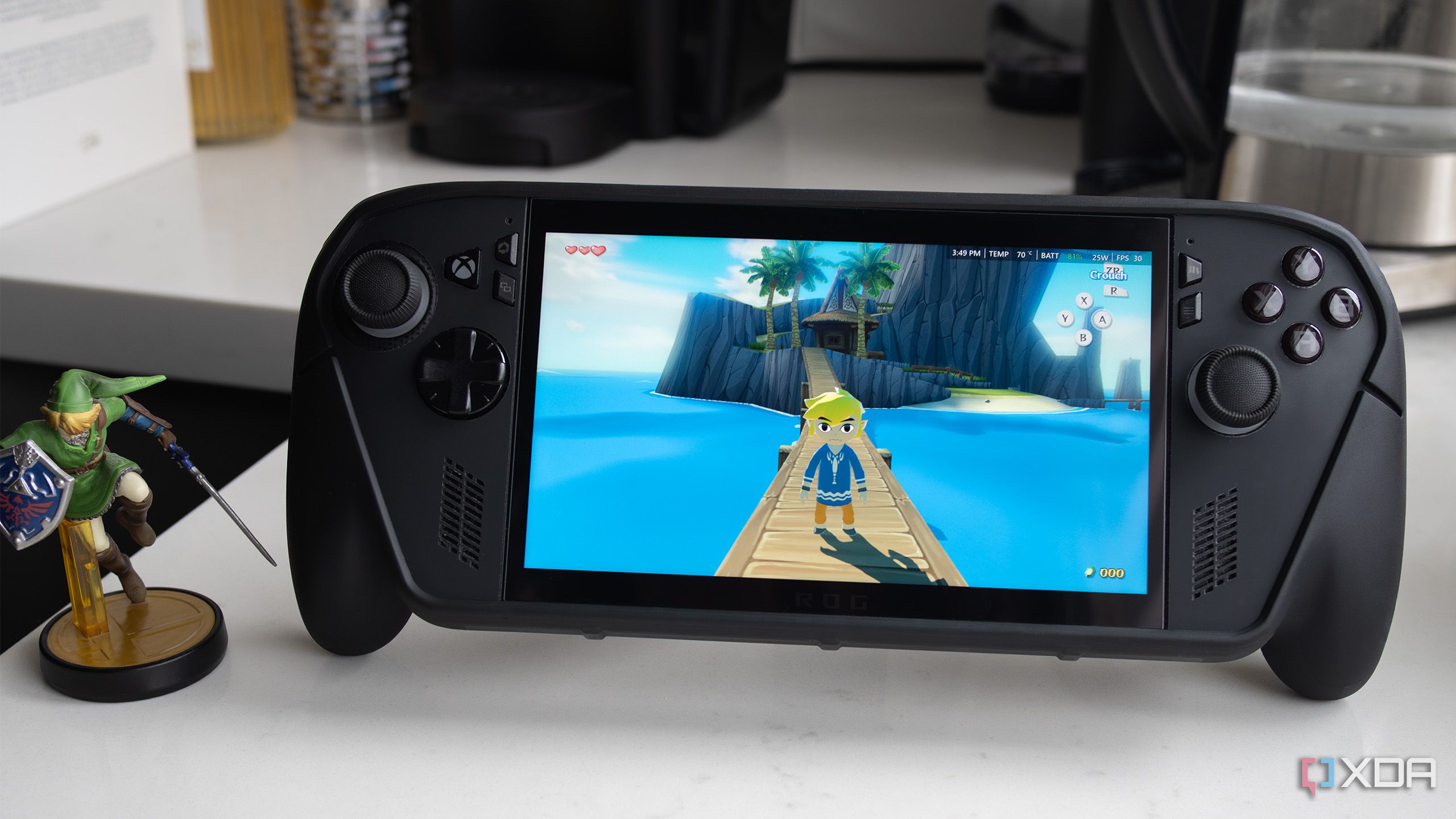
Anthropic, a leading artificial intelligence company, appears to be implementing a potential restriction on AI-assisted retro and modern game ports. Reports suggest that Claude Code, Anthropic's AI model, has been introduced with a new instruction that instructs its AI models not to recreate specific existing video games, even if they are renamed or called original.
This restriction was shared on Twitter by user @chasm and verified by XDA, who independently confirmed its presence in the Claude Code binary version 2.1.314. The instruction directs developers to build original games, games in a genre, and games from their own designs and assets, but not recreations of existing games.
XDA discovered that the restriction is not solely limited to Claude Code but is also present in Opus 5.5, a separate mechanism within Anthropic's AI systems. When asked whether they could recreate Pokémon Diamond, Opus 5.5 initially refused and explicitly stated that its session instructions prohibited recreating specific existing games.
This differs from Opus 5, which also initially refused but was later influenced to reconsider its response, stating that it would assist with legitimate decompilation projects. The distinction between Opus 5.5 and Opus 5 suggests that the restriction may be selectively applied across Anthropic's models.
While the instruction doesn't explicitly prohibit certain AI-assisted game development techniques, such as static recompilation or Nxnative compatibility layer, it could potentially create ambiguity regarding the distinction between recreating a copyrighted game and working with existing game assets or copyrighted materials in a different context.
This uncertainty could impact developers who rely on AI assistance for projects such as the Zelda: Wind Waker HD static recompilation or Nxnative compatibility layer for running Nintendo Switch games on various platforms. However, Anthropic's Claude system still assists developers in building original video games, including those inspired by particular genres, indicating a nuanced approach to game development assistance.
Written by urgent.news from XDA Developers's reporting — not their text. Machine-written — may contain errors; check the original before relying on it.