Another round of peace-talk masquerade awaits Ukraine
The planned resumption of trilateral negotiations between Ukraine, Russia and the United States in Abu Dhabi in early November is already being presented in several Western capitals as evidence that diplomacy has regained its momentum, but a return to the negotiating table should not be confused with genuine progress toward peace. Unless the process confronts the fundamental obstacles to a…
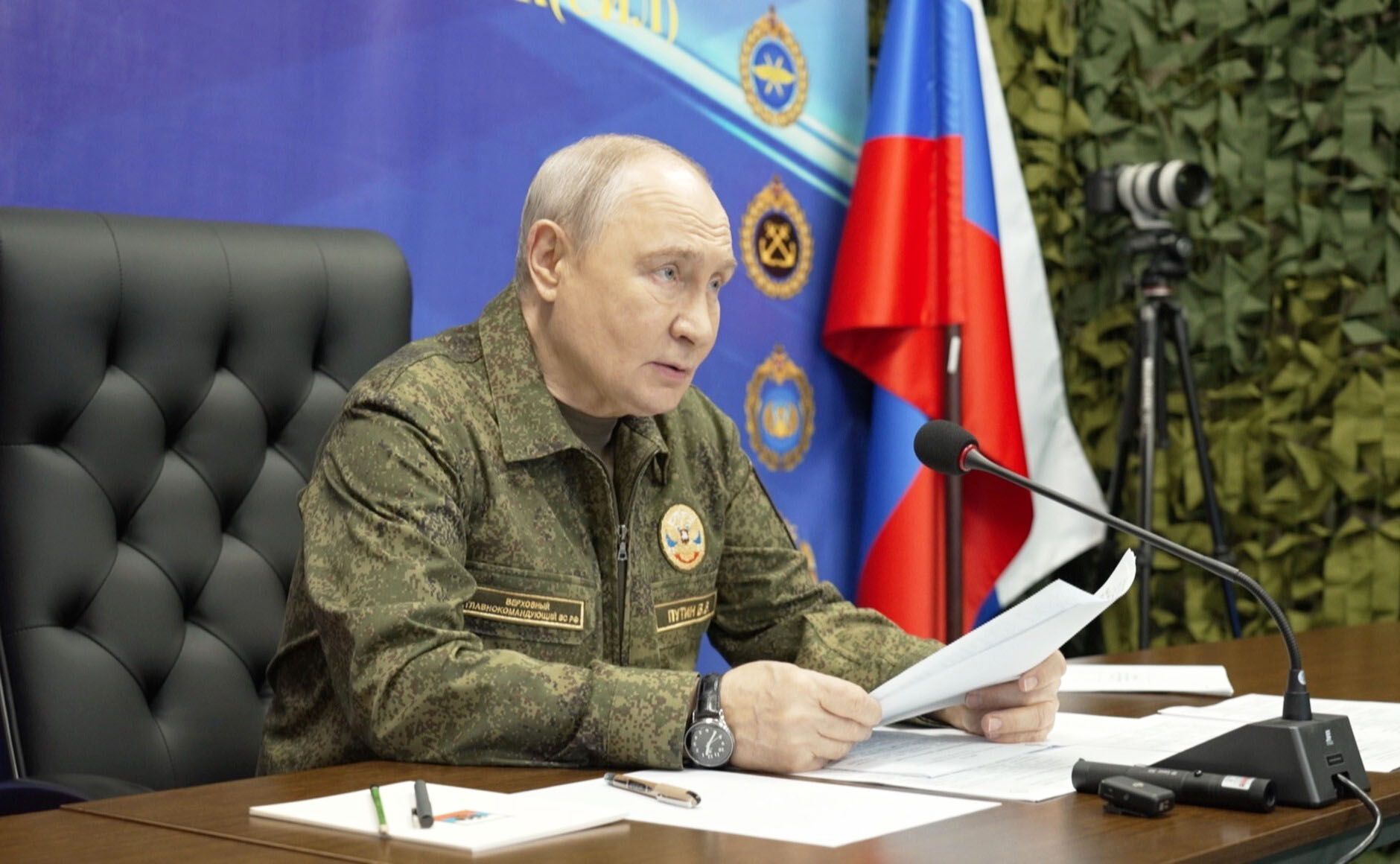
Trilateral peace negotiations between Ukraine, Russia, and the United States are set to resume in Abu Dhabi in early November, according to plans. However, this diplomatic effort should not be mistaken for genuine progress towards peace. Unless the process tackles the core challenges to a lasting settlement, Russia may benefit from the talks by securing concessions it could not achieve through force.
President Volodymyr Zelensky expects technical-level talks in the first half of November, with hopes for a subsequent meeting of leaders. Zelensky stresses that any agreement must include robust security guarantees and sustained funding for Ukraine's military.
Russia officially agreed to resume negotiations after meeting with U.S. envoy Steve Witkoff in St. Petersburg. Yet, Moscow's willingness to participate suggests little about its readiness to make compromises, particularly as it continues to reject proposals discussed with Ukraine's allies and seeks to impose terms that would severely limit Ukraine's sovereignty.
The central question is not whether Russia will negotiate, but what it is willing to concede. Moscow demands land, including areas fiercely contested by Ukraine, and insists on Kyiv's surrender of territories it has struggled to capture. President Zelensky has said that the most contentious territorial issues should be resolved in direct talks, but the real danger lies in a different area.
Ukrainian troops are increasingly exposed, surrounded by anti-drone defenses and flag-bearing brigade units, yet even Kyiv refuses to cede land that Russia could not take by force.
Washington, eager for a swift resolution, may pressure Ukraine to relinquish territory in exchange for a ceasefire, which would enable Russia to rebuild its forces. Such an arrangement would essentially reward Russia for prolonged conflict and likely pave the way for another offensive. A de facto ceasefire could become necessary at some point, but it should not be equated with the legal recognition of Russian annexations.
Another obstacle is the lack of clarity regarding Ukraine's security guarantees and the mechanisms for enforcing a ceasefire. Ukraine has faced similar issues before, including the Budapest Memorandum of 1994, where Russia violated its assurances, and the Minsk agreements, which yielded a ceasefire that was repeatedly violated and overseen by an OSCE mission without enforcement powers.
The Paris Declaration of 2026, which includes a U.S.-led verification mechanism, long-term military aid, a multinational force, and postwar support, remains a potential starting point. However, without concrete commitments from all parties, these promises may prove hollow. Europe's role in the process is uncertain; while the European Council expects to play a part, the Abu Dhabi format remains a trilateral meeting.
European nations are primarily responsible for financing Ukraine's defense, maintaining sanctions, and upholding postwar security arrangements. Nonetheless, Europe cannot dictate the terms of the negotiations, which could significantly impact their effectiveness.
The U.S. stance on Ukraine's future security and autonomy is crucial. Washington must recognize the capabilities Ukraine has developed, including advanced expertise in drone warfare and electronic defense, as well as the growing defense industry's contribution to European security. These factors should form the minimum requirements for any agreement, ensuring that Ukraine's future is not merely a pawn in larger geopolitical games.
If Russia refuses to make meaningful concessions, the solution lies in altering Russia's calculations through sustained military support for Ukraine and enduring economic pressure, with sanctions relief contingent on verifiable compliance rather than as a goodwill gesture. The West must also acknowledge Ukraine's progress, emphasizing its enhanced defensive capabilities and the vital role its defense sector can play in Europe.
These conditions are essential for a settlement that goes beyond temporary truces and instead ensures lasting peace.
Written by urgent.news from Kyiv Independent's reporting — not their text. Machine-written — may contain errors; check the original before relying on it.