Analysis: Indonesia’s market sell-off punishes poor governance
Last Friday was a Black Friday for Indonesian stocks. A market sell-off wiped out US$65 billion in value and sent the Indonesia Composite Index (IDX) plunging 11.6 percent, its steepest drop since 1998. The market did not crash because corporate fundamentals suddenly weakened, but because investors punished regulators for turning a blind eye to market abuses and acting only after MSCI forced…
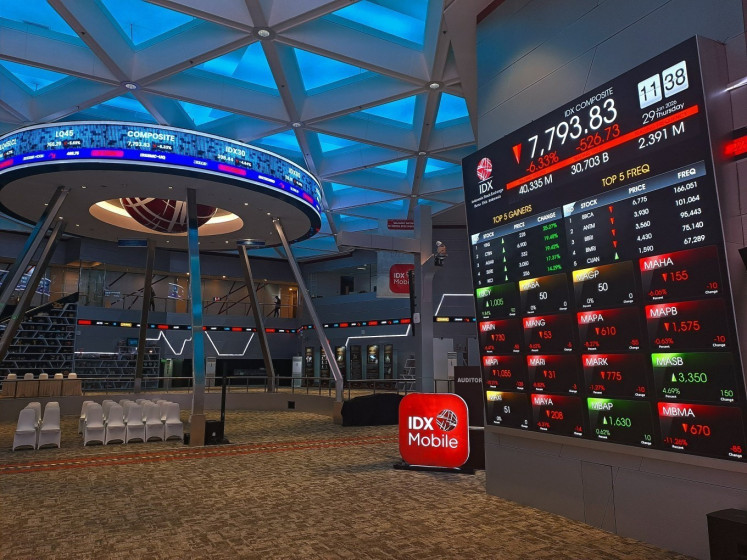
On Friday, a severe sell-off in Indonesian stocks resulted in an unprecedented US$65 billion loss in market value, causing the Indonesia Composite Index (IDX) to plummet by 11.6 percent, the most significant decline since 1998. The market crash was not due to a sudden deterioration in corporate fundamentals, but rather investors' harsh judgment of regulators for ignoring market abuses until pressured by MSCI.
In October, MSCI announced a formal inquiry into potentially downgrading Indonesia from an emerging-market status to a standalone market, similar to nations like Argentina, Ukraine, and Zimbabwe. This decision followed earlier warnings from MSCI in January and June about the risks associated with Indonesia's capital market, primarily due to opaque shareholding structures and coordinated trading.
Regulators in Indonesia have taken steps to address these concerns, including lowering the reporting threshold for significant shareholdings to 1 percent and imposing minimum free-float requirements for newly listed companies. However, these reforms have not yet had a substantial impact on the market. For instance, despite the introduction of these regulations, 63 companies with free floats of less than 10 percent still represent 28.8 percent of the total market capitalization on the IDX.
This lack of progress in improving market conditions, even with the implementation of regulatory reforms, highlights the need for more sustained efforts and better outcomes. In 2024, PT Barito Renewable Energy Tbk (BREN) was removed from the FTSE Large Cap Index due to concerns over ownership concentration, as 97 percent of its shares were held by four individuals.
Written by urgent.news from The Jakarta Post's reporting — not their text. Machine-written — may contain errors; check the original before relying on it.