An NFL Quarterback Lost His Season Due to a Blood Clot — Here’s How to Lower Your Risk
Learn how to notice the signs of blood clots before they become dangerous and what you can do to prevent them, especially during long-distance travel.
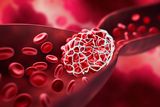
Professional NFL quarterback Jalen Hurts' season ended due to a blood clot, highlighting the risks associated with such injuries. A sore calf, while common after rigorous exercise, could be a sign of a deeper issue like a blood clot. Jalen Hurts' blood clot diagnosis has drawn attention to the dangers of this condition and the importance of recognizing it early to prevent emergencies.
The NFL's decision to expand globally has increased the risk of blood clots for players, as long flights can contribute to clot formation. Sports agent Leigh Steinberg pointed out that this issue is becoming more widely recognized, especially as players travel to various countries for games.
Hurts suffered a left calf injury on October 4, 2026, and was diagnosed with a superficial clot on October 10 after an ultrasound in London. The subsequent tests revealed a more serious condition: deep vein thrombosis (DVT) and bilateral pulmonary emboli. He was given blood-thinning medication and expected to fully recover, but this likely meant missing the remainder of the season.
DVT occurs when a clot forms in a deep vein, often in the leg, while a superficial clot develops closer to the skin. If a clot from a deep vein breaks off and travels to the lungs, it becomes a pulmonary embolism. Symptoms of DVT include swelling, pain, warmth, and color changes in the affected area, while a pulmonary embolism can cause sudden breathlessness, chest pain, racing heartbeat, coughing up blood, dizziness, or fainting.
To reduce the risk of blood clots, especially during travel, it is recommended to walk every two to three hours, exercise your legs while seated, and perform leg exercises. On long road trips, take walking breaks and, if flying, stretch your legs by moving around. Those with recent surgery or injury, a history of clots, pregnancy, estrogen-containing medications, or inherited clotting disorders should consult their healthcare provider about compression stockings or preventative medication. Regular activity and avoiding smoking are also beneficial in reducing DVT risk.
Written by urgent.news from Discover Magazine's reporting — not their text. Machine-written — may contain errors; check the original before relying on it.