Airlines Need Tax Relief
India’s largest airline by market share, IndiGo, has reported a loss for the third consecutive quarter, hit by rupee depreciation and a sharp rise in fuel prices. Fuel prices are among the few variables an airline cannot control. Many other costs — including excise duty, airport charges and regulatory fees — are influenced by stakeholders, particularly the Government. Policy intervention can make…
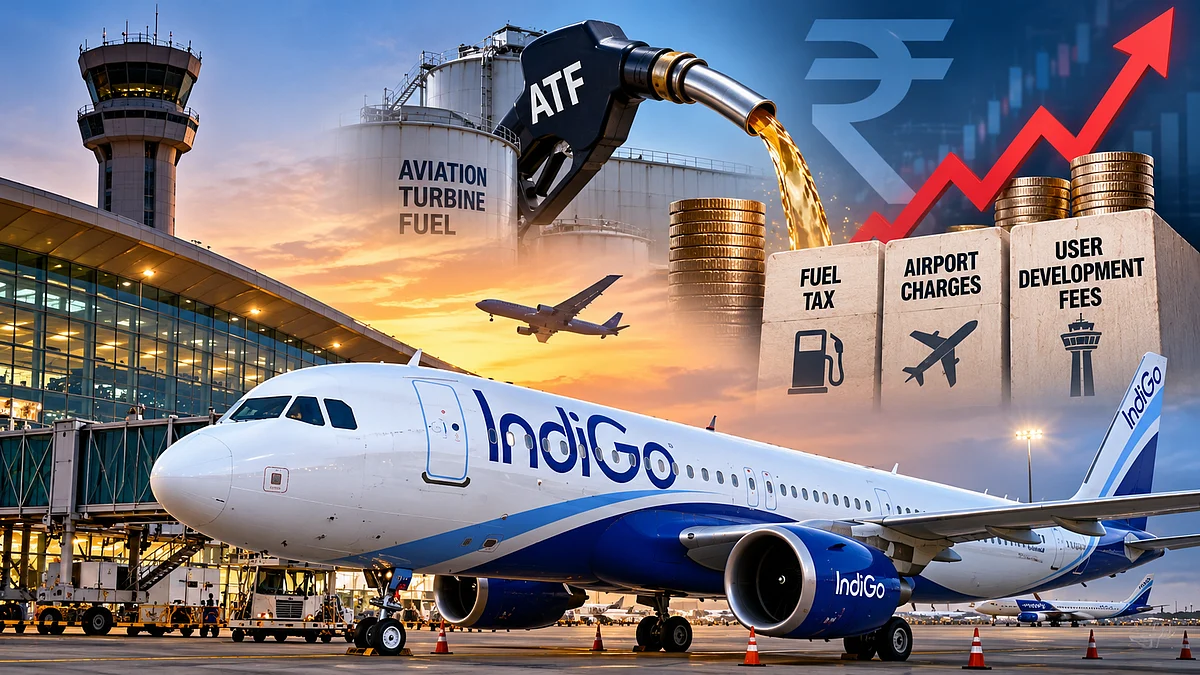
India’s largest airline, IndiGo, experienced its third consecutive quarterly loss due to declining rupee value and rising fuel costs. Fuel prices are uncontrollable for airlines, with other expenses like excise duty, airport fees and regulatory charges influenced by the government. Aviation has long been seen as a luxury industry, taxed accordingly since independence.
However, its popularity as a transport mode has grown, connecting people across the country. The sector expanded with the introduction of low-cost carriers like Air Deccan and the use of internet bookings and dynamic pricing. The government introduced privatization to encourage infrastructure investment. Passenger costs have increased due to user development fees, which have risen by 160% to nearly 300% in four years.
Airlines receive no share of these fees, but they impact operating costs. Aviation turbine fuel (ATF) is taxed differently across states, with rates between 2% and 18%, passing the burden to passengers. IndiGo’s fuel bill highlights this issue, as central excise duty of around 11% constitutes a significant portion of the delivered fuel cost.
Removing this excise burden could save IndiGo nearly ₹1,000 crore per quarter, more than its current loss. Landing and parking charges also contribute to operating costs, with a 25% reduction saving the industry about ₹400 crore. While the government cannot control global fuel prices, it can reduce costs within its control. The country's reputation as an airline graveyard persists due to intense cost pressure on carriers, leading to their collapse.
India generates revenue from aviation through privatized airports, fuel taxes, and user fees, but these measures are insufficient to make airlines viable. Instead of maximizing collections, the policy should focus on building a sustainable aviation ecosystem.
Written by urgent.news from Free Press Journal's reporting — not their text. Machine-written — may contain errors; check the original before relying on it.