A Fátima Báñez
“Quien quiera ser líder, que llegue a acuerdos”, decía a su equipo la exministra, conocida por sentarse a dialogar y escuchar
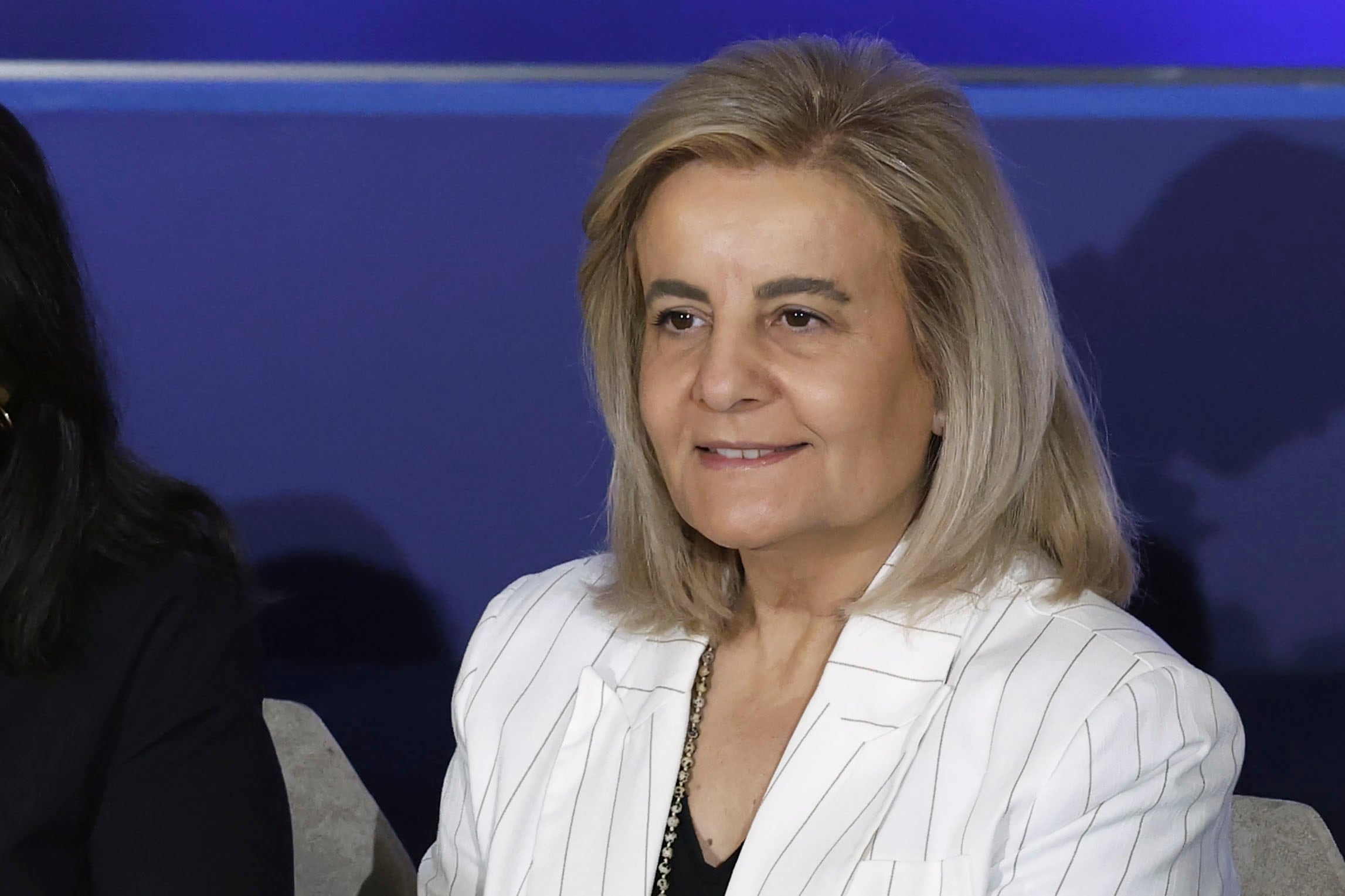
From the depths of sorrow, I write these words, but first and foremost, I am filled with gratitude for having known and enjoyed the remarkable Fátima Báñez. She was a minister, a wife, a mother, a daughter, and a sister. She was the beloved friend of so many who were fortunate enough to have her by their side.
Fátima frequently told me with great affection that I was her elder sister. And indeed, I was her chief of cabinet and later a secretary of state under her ministerial team. But above all, I was her student. She was the finest teacher and companion during her service to Spain. Everything began in San Juan del Puerto, Huelva, where a young entrepreneur dreamed of becoming a legislator and succeeded with the support of Javier Arenas.
She tirelessly traversed the eight provinces of Andalusia, always maintaining composure in the face of discouragement, fueled by an unstoppable impetus and joy. This energy was not unnoticed in Congress, and from there, her dear Sister Soraya sought her assistance to strengthen the economic area of the People's Party in opposition.
In December 2011, when Mariano Rajoy called for her to become Minister of Employment and Social Security, the job market was in crisis. Over two million jobs had been destroyed since the onset of the financial crisis, with over five million people unemployed and the country's confidence at an all-time low. She had to navigate a challenging path, and like a worthy bullfighter, she faced it with determination and an underhand grip.
And she did it well. She never shied away from the bullring, faced the consequences of difficult decisions, and filled the ministry with determination, optimism, intelligence, and generosity. Her efforts, along with those of all Spaniards, contributed to Spain regaining employment and confidence in its future. The key reforms in employment, immigration, and social security bear her name and imprint.
Today, their legacy is being judged from a different context. She knew that the best social spending is employment and that the best policy is the one that offers opportunities to those without them. She added, added, and added. "Suma, suma, suma" was the phrase she repeated most often during her tenure as minister. It was not just a way of speaking; it was a deep conviction that by adding, Spain could change direction.
She had everyone's support and listened to everyone: entrepreneurs, unions, self-employed individuals, SMEs, experts, and her team. But she also listened to the people she passed by in her constant journeys across Spain. She was demanding, yet always sought opinions and advice, and built her positions through listening. Afterwards, she made decisions and took responsibility.
She was discreet, pragmatic, and loyal. This is why she served as an interlocutor and confidant to so many, and why she signed numerous agreements, first in government and later at the head of the CEOE Foundation. She liked to repeat, "Whoever wants to be a leader must reach agreements." And she did just that. Fátima had faith in God, her beloved Virgin of the Rocío, life, and people.
She trusted others and gave without expecting anything in return. She never spoke ill of anyone or complained. Her optimism was simple, never exaggerated. When things got tough, she looked at you and said, "Believe, you'll see, follow my lead." She always expected the best, and the best almost always came to pass. She was a woman of one piece, with no duplicity.
That's why those who worked with her could share her personal and family life, and she shared ours. This very nature accompanied her when she had to listen, decide, or reach an agreement. Force, kindness, empathy, joy, intelligence, and commitment - these were just a few of her many virtues. She had it all, and she gave it all. Her death has once again demonstrated her capacity to bring people together.
She has been mourned by circles and circles of politicians, businesspeople, and members of the social dialogue, many of whom had previously held different ideological views. All share a certainty: she was a good person who served Spain with generosity and love. Her family from the ministry, as well as those from the People's Party, the Popular Party, CEOE, and the various teams she led, are both broken and more united than ever.
Our soul is with her family. This is the legacy she leaves behind. It is not just the memory of what she was, but also a task for the future. She taught us that Spain advances when we add, listen, and build bridges. She also taught us that serving the common good is an honor, not a burden, and that generosity and firmness are not mutually exclusive.
This lesson will not fade with her absence; we will carry it with us forever. In her honor, let us follow her example. Let us continue to add. May she rest in peace, dear Fátima.
Written by urgent.news from El Pais Economia's reporting — not their text. Machine-written — may contain errors; check the original before relying on it.
This story
This is one outlet's version. Read the fullest account.
- To Fátima Báñez elpais.com