65 Jahre Anwerbeabkommen: Abenteuer Almanya - Als die ersten Türken kamen
Es ist ein Vertrag, der Deutschland verändert hat wie kaum ein anderer: Vor 65 Jahren wurde das deutsch-türkische Anwerbeabkommen geschlossen. Was daraus entstehen würde, ahnte anfangs keiner.
In October 1961, Germany and Turkey signed an agreement that would change Germany forever. The agreement, known as the Deutsch-Türkische Gastarbeitervereinbarung, aimed to address Germany's labor shortage following the birth rate slump in the 1960s and the expansion of the Bundeswehr. The agreement did not view the employed workers as immigrants but rather as guest workers, with the promise that they would bring in money and be trained as skilled workers, eventually returning to Turkey to benefit their homeland.
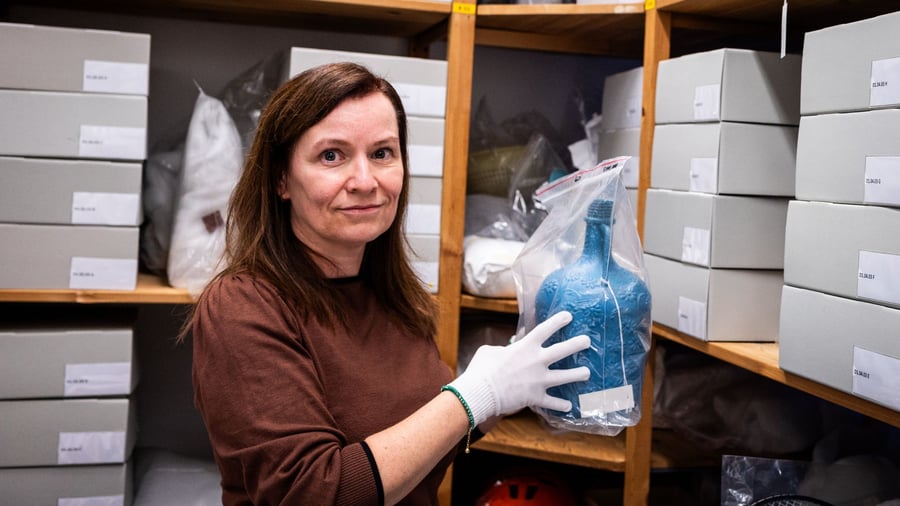
The first wave of Turkish migrants arrived in Germany with only two bags, carrying items they took with them. In Ehrenfeld, a district of Cologne, the Documentation Center and Museum for Migration in Germany (DOMiD) preserves objects that these migrants brought with them. A blue water bottle, for instance, has been preserved and looks more like a prop from 1001 Nights than a practical item.
Another item is a cassette box, which a Turkish couple once used to record messages for their daughter, who had remained in Turkey, who was eager to hear from them. The process of waiting for these messages, often months long, was a significant part of their lives.
The journey from Istanbul to Germany took 50 to 55 hours, and many migrants were disappointed to find themselves in simple accommodations, such as a former air raid bunker under a train station. The living conditions were strictly regulated, from meal times to visiting hours. In 1973, Germany stopped accepting workers from other countries due to the oil crisis, and it was SPD Chancellor Helmut Schmidt who famously said, "I don't want another Turk crossing the border."
In response, the CDU government introduced a "Return Assistance Act" in 1983, offering several thousand D-Mark to those who chose to leave Germany. Around half a million returned, but about one million stayed.
These early migrant workers contributed to the German economy, though many had already acquired qualifications before arriving. However, they faced challenges as they tried to integrate into German society while maintaining their Turkish identity. Today, around 2.6 million people with a Turkish background live in Germany, with 1.5 million being immigrants and the rest born in Germany.
While most feel like they belong in both Germany and Turkey, the bond with Germany has weakened for many since the 2010s, as Turkey has become a significant player on the global stage and Germany has faced challenges such as the rise of far-right extremism and the impact of the NSU terror case.
Written by urgent.news from Handelsblatt's reporting — not their text. Machine-written — may contain errors; check the original before relying on it.