10 things you need to know about the new OLED MacBook Pro
Apple’s MacBook Pro PROLED XDR packs in a lot of new features. Here’s what you need to know before you buy.
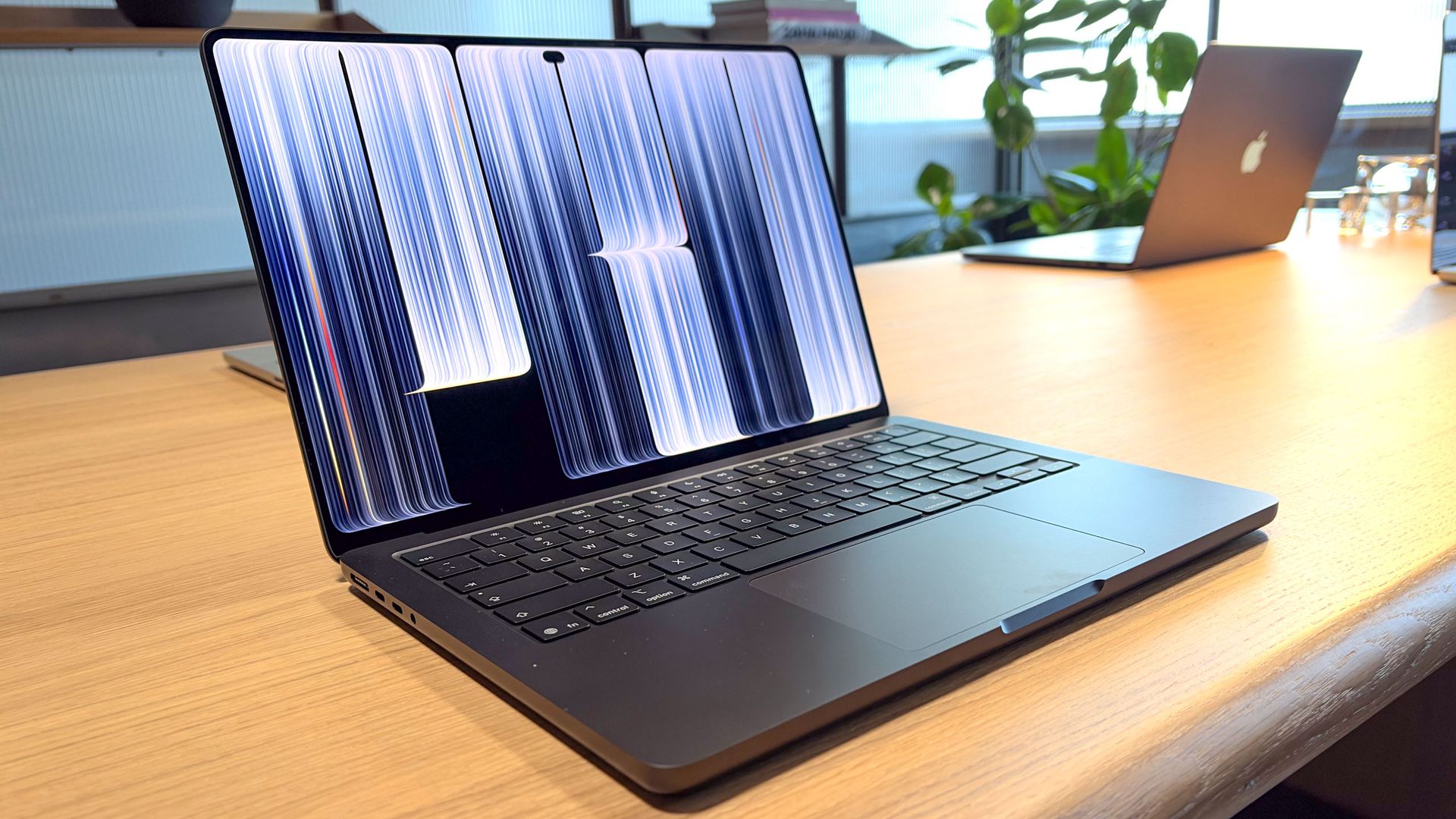
The new MacBook Pro, featuring an OLED XDR Display, has sparked both excitement and skepticism following its release. Despite Apple's previous stance against touchscreens on laptops, the company believes this new model is the right time to introduce one. Here are 10 key points about the new MacBook Pro:
1. The tandem OLED display boasts an impressive contrast ratio of 10 million to 1, a significant improvement over the 1 million to 1 ratio found in many Windows laptops with OLED displays. This means images will have perfect black levels without sacrificing detail in shadows.
2. Unlike most touchscreen laptops with a separate digitizer layer, Apple has integrated the touch silicon directly into the display. This integration results in a super fluid touch experience with no lag and improved efficiency, potentially extending battery life.
3. In the display, Apple has introduced a TFT oxide layer, a first for tandem OLED displays. This layer offers greater pixel density, reduced power leakage, and the ability to drop to low refresh rates without flickering.
4. Apple has redesigned the MacBook Pro's hinge specifically for the OLED display, making it more resilient to touch and incorporating better video stabilization for the front camera. This ensures a stable experience during touch interactions, even during video calls.
5. While touch support may lag behind Windows laptops, Apple has optimized a variety of apps for touch interaction. Apps like Logic Pro allow for piano chords and bass hits through touch keyboards, and ZBrush enables 3D manipulation with fingers.
6. The glowing Apple logo on the back of the laptop isn't a display backlight. Instead, Apple has added a dedicated backlight to create a shining logo, which dims and brightens in sync with screen brightness adjustments.
7. The MacBook Pro is capable of achieving 2,000 nits of peak brightness, 25% brighter than the brightest OLED laptops typically found in Windows. This brightness level is consistent across both HDR and SDR content.
8. Apple intentionally chose not to include Apple Pencil support on the new MacBook Pro. The company aims to maintain a clear distinction between MacBooks and iPads, avoiding confusion between the two product lines.
9. The new MacBook Pro weighs just 3 pounds, making it nearly as light as the MacBook Air. Apple claims this weight reduction was achieved without compromising performance, which will be tested in real-world scenarios.
10. The MacBook Pro features a Dynamic Island but lacks Face ID technology. The Dynamic Island provides contextual information and notifications, while Face ID's absence might disappoint some users who expected biometric authentication on the device.
Written by urgent.news from Tom's Guide's reporting — not their text. Machine-written — may contain errors; check the original before relying on it.