Xi-Trump summits must leave businesses with greater clarity, not less
An aircraft supplier can have parts ready and a customer waiting yet be unable to ship while Washington holds up its licence. In Shanghai, Citi has approval to establish a securities business after years of waiting. Companies must invest, sign contracts and move production while the two governments negotiate. A board needs to know what can proceed now, what remains conditional and what could stop…
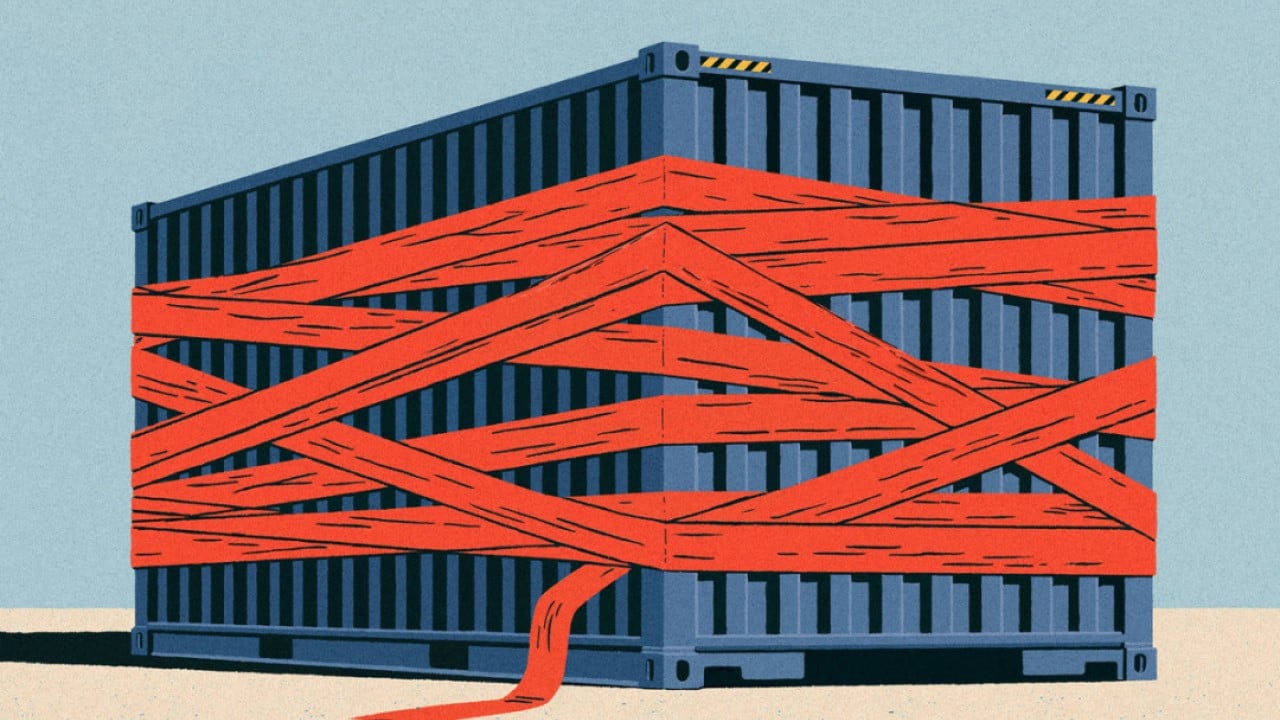
Businesses across the world are left in limbo by the ongoing trade disputes between the United States and China. Without clear guidance, companies are forced to invest and sign contracts, only to have their plans halted or delayed by bureaucratic red tape. The leaders of the two largest economies have met multiple times this year, including the Asia-Pacific Economic Cooperation (Apec) forum in Shenzhen and the Group of 20 (G20) summit in Miami, offering opportunities to clarify the situation.
However, expectations remain unfulfilled as the disputes persist, leaving businesses uncertain about what can proceed, what remains conditional, and what could stop their operations.
During the Apec forum's side event in Busan last October, the leaders agreed to buy time by easing tariffs and suspending several measures for a year. This included China's new rare earth controls and reciprocal port fees. Similarly, in May, both sides established trade and investment boards, creating channels for officials to address commercial questions between summits. The trade board has agreed on a framework to lower tariffs on US$30 billion of non-sensitive goods, but the truce only lasted for two months.
The uncertainty surrounding the trade relationship has led to delays in aircraft parts licensing and the approval of engine shipments to state-owned Commercial Aircraft Corporation of China (Comac). These delays put pressure on Beijing while leaving companies unable to promise delivery dates to their customers. Furthermore, China has proposed adding 40 technologies in artificial intelligence, biomedicine, and solar power to its restricted or prohibited export catalogue, creating additional concerns for manufacturers planning overseas factories.
On the US side, the Treasury proposed expanding restrictions on American investment in sensitive technologies in China, closing comments on December 7. Investors can now examine the potential impact of these restrictions and reconsider their deals before signing. In contrast, Chinese companies face a more certain environment, such as the approval of Citi to establish a securities business in Shanghai, providing them with a clearer roadmap to proceed.
As the leaders prepare for the Shenzhen summit in November, businesses eagerly await clearer guidance on what transactions can proceed and under what conditions. The trade and investment boards should provide companies with decisive answers about which deals can move forward and the grounds for renewing or withdrawing permissions.
This clarity is critical for companies to make informed decisions about investments, production schedules, and commitments to customers. With two more summit opportunities this year, Xi and Trump have the chance to create a more stable environment for businesses, ultimately determining the success of factories built, contracts signed, and jobs created or lost.
Written by urgent.news from SCMP Business's reporting — not their text. Machine-written — may contain errors; check the original before relying on it.