Wildfires threaten cave art, burn indigenous burials in Sulawesi
Heat and smoke from the burning forest and land near caves where the rock arts are located may gradually damage the physical features of the painting and accelerate their decay, while soot from the blaze may also obscure the rock structures.
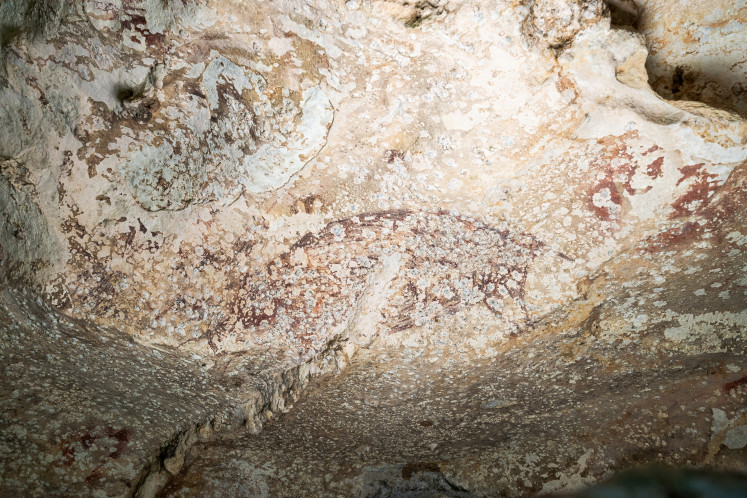
Severe wildfires threatening cave art and indigenous burials are currently ravaging South Sulawesi, Indonesia. The heat and smoke from the burning forest near the rock art sites may gradually damage the paintings, while soot from the blaze could obscure the rock structures. Uncontrolled wildfires in Indonesia have put archaeological artifacts at risk, with indigenous relics in South Sulawesi already burnt down allegedly due to deliberate agricultural burning.
For the past three weeks, the local firefighting brigade has been on alert as recurring forest blazes within the Bantimurung Bulusaraung National Park have threatened the park. Over 154 hectares of land have been scorched since late September, an area larger than 216 soccer pitches. The park, a UNESCO-recognized biosphere reserve, covers the Maros-Pangkep karst landscape, housing at least 238 prehistoric cave sites.
Among them, 187 caves hold ancient rock drawings, dating back at least 51,200 years, making them some of the oldest known rock art in the world. However, the heat and smoke from the burning land near these caves are putting pressure on the prehistoric paintings, with archaeologists warning of rising cave temperatures that could gradually damage the rock art.
Written by urgent.news from The Jakarta Post's reporting — not their text. Machine-written — may contain errors; check the original before relying on it.