Why US allies in Middle East are accelerating direct talks with Iran
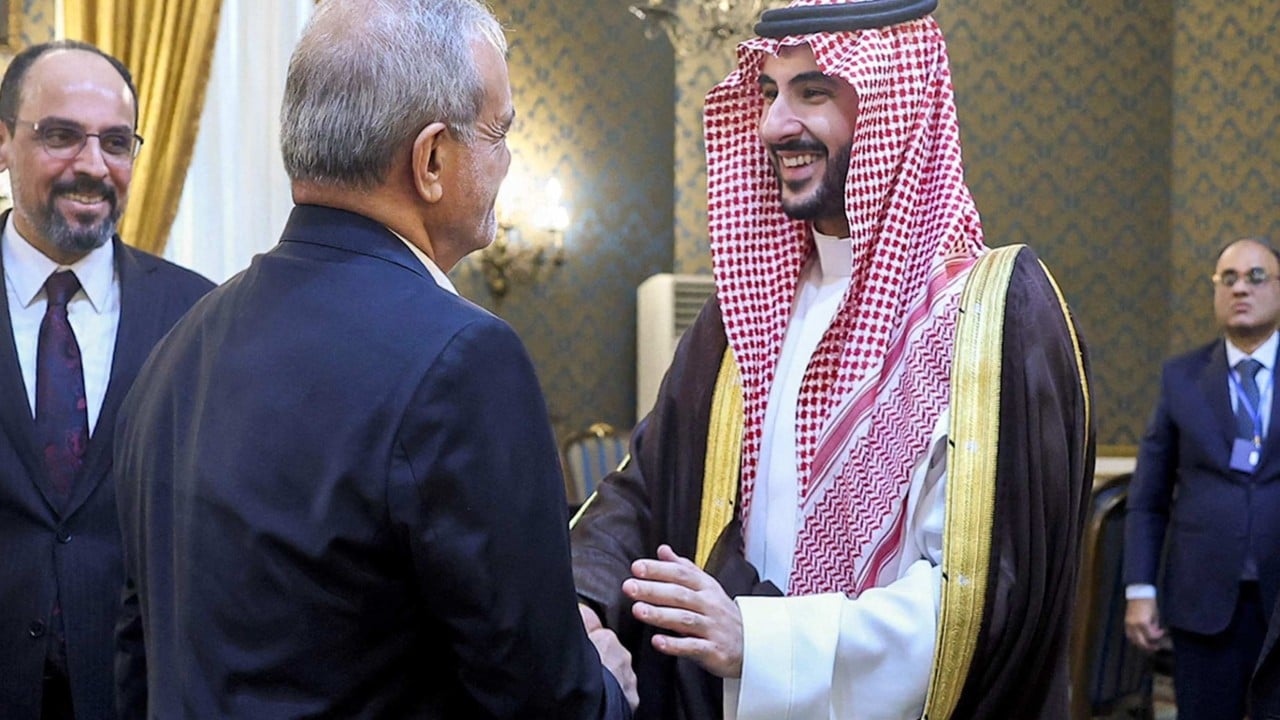
The US’ Muslim-majority Middle Eastern allies have accelerated talks with Tehran over a new regional security framework amid fears of further blowback from the Iran war. Saudi Arabia directly entered the diplomatic fray for the first time on Monday, sending the king’s younger son, Defence Minister Prince Khalid bin Salman, to Tehran for face-to-face talks with Iran’s top security official Mohsin…
In the Middle East, the narrative of post-war reality is becoming a new battleground. After the war that began on February 28, the struggle over what happened, who won, and who can be trusted to maintain peace, is no longer confined to battlefields. It has moved to screens, feeds, and group chats, becoming a more dangerous pursuit than the actual battle. Who controls the narrative is the question at hand.
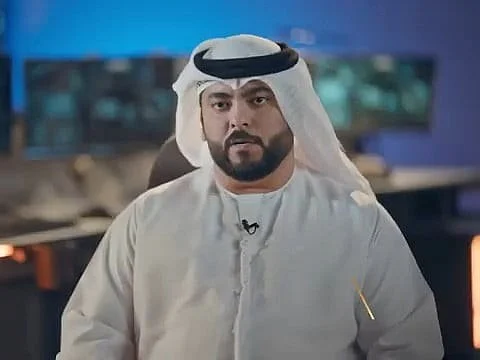
The TRENDS 6th Annual Conference in Abu Dhabi gathered policymakers, military leaders, and researchers from the U.S., Europe, Asia, and the Gulf to discuss this new reality. Information resilience must be treated as a security infrastructure, planned, and funded like air defense, not as public relations. The war for truth can matter as much as the events on the ground.
Governments, media outlets, political movements, and non-state groups compete in real-time to define what is happening in any crisis today. Disinformation, coordinated propaganda, and AI-generated content can reach millions before official accounts are released. The impact of such misinformation was evident during the recent U.S.-Israeli strikes on Iran.
Within days, AI-generated videos showed Dubai's Burj Khalifa on fire, and fabricated images of damaged U.S. facilities in the Gulf circulated quickly. UAE officials described these attacks as coming "from the sky and behind our screens."
The UAE government treated "fake news and misinformation as a security threat." Despite the attacks, the UAE did not want to become a party to the war. They emphasized their non-participation and urged for a return to the negotiating table. However, the attacks continued, with the UAE suffering 186 ballistic missile and 812 drone strikes in the first days of the conflict.
In the aftermath of the war, countering the narrative requires deploying facts quickly and repeatedly through verified channels in Arabic, English, and Farsi. Fact-checking and publishing information fast are more effective than corrections issued too late. Even after a war ends, threats persist in different forms. Ceasefires and reconstruction depend on public trust. If people doubt the peace or question a neighbor's reliability, deterrence frameworks and security pacts will falter in the face of domestic politics.
The challenge lies in balancing the need for countering disinformation without stifling free speech. While the debate should remain open, governments worldwide must work on incorporating disinformation mitigation into their security strategies. Speed and credibility in official communication are crucial to preventing rumors from taking root.
Young, tech-savvy audiences represent both a target and a defense against these influence campaigns. Protecting societies from manipulation involves providing credible information channels and empowering citizens to verify content themselves. The focus should be on equipping the next generation of Emiratis and Gulf citizens to tell their own stories rather than leaving it to external forces.
Written by urgent.news from Politico EU's reporting — not their text. Machine-written — may contain errors; check the original before relying on it.
This story
This is one outlet's version. Read the fullest account.
- In the Middle East, the next front line is the narrative politico.eu
- Pertamina strengthens Middle East presence with upstream energy, maritime logistics expansion gulfnews.com
- Israel's high-turnout vote brushed aside in rest of the Middle East brecorder.com
- Al Gharbia Pipe Company expects new demand as Middle East nations bypass Hormuz thenationalnews.com
- Israel's high-turnout vote brushed aside in rest of the Middle East al-monitor.com
- US forces in Middle East ready to launch ‘a big effort’ in Iran after November midterm elections: Report hindustantimes.com