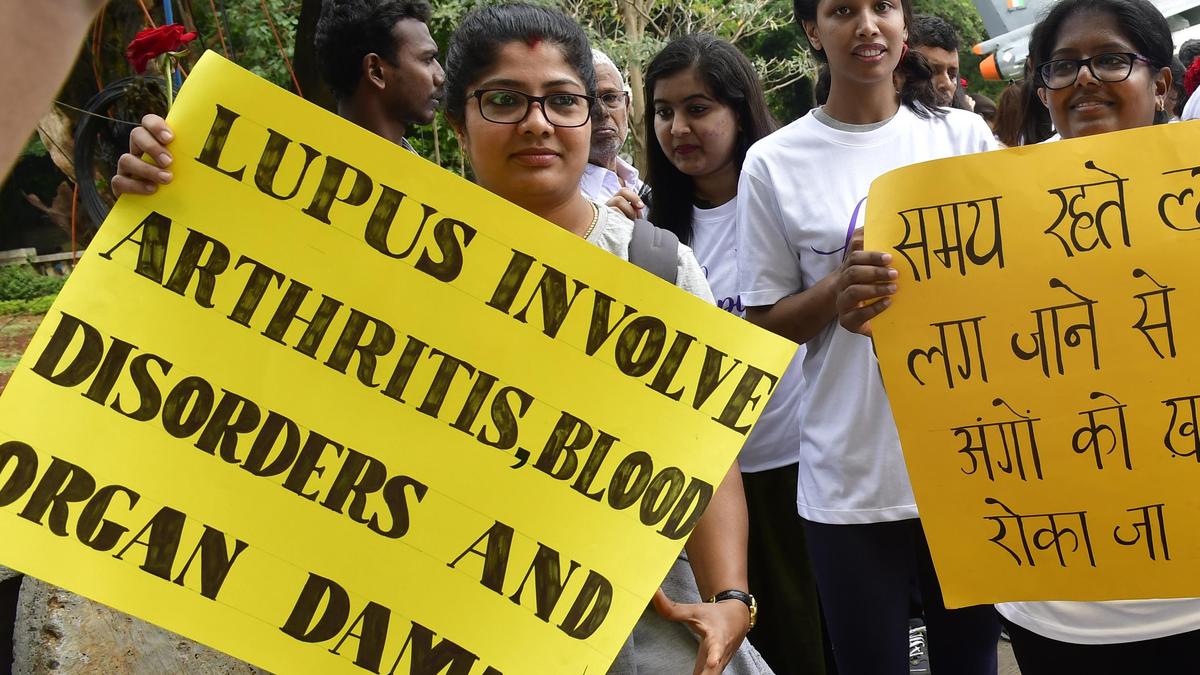
Why ongoing symptoms and patients’ lived experiences need more attention in lupus care
People living with lupus describe how symptoms such as fatigue affect their work and daily lives. Studies show that patients and doctors may view the impact of the disease differently, highlighting the need to better understand patients’ experiences and concerns
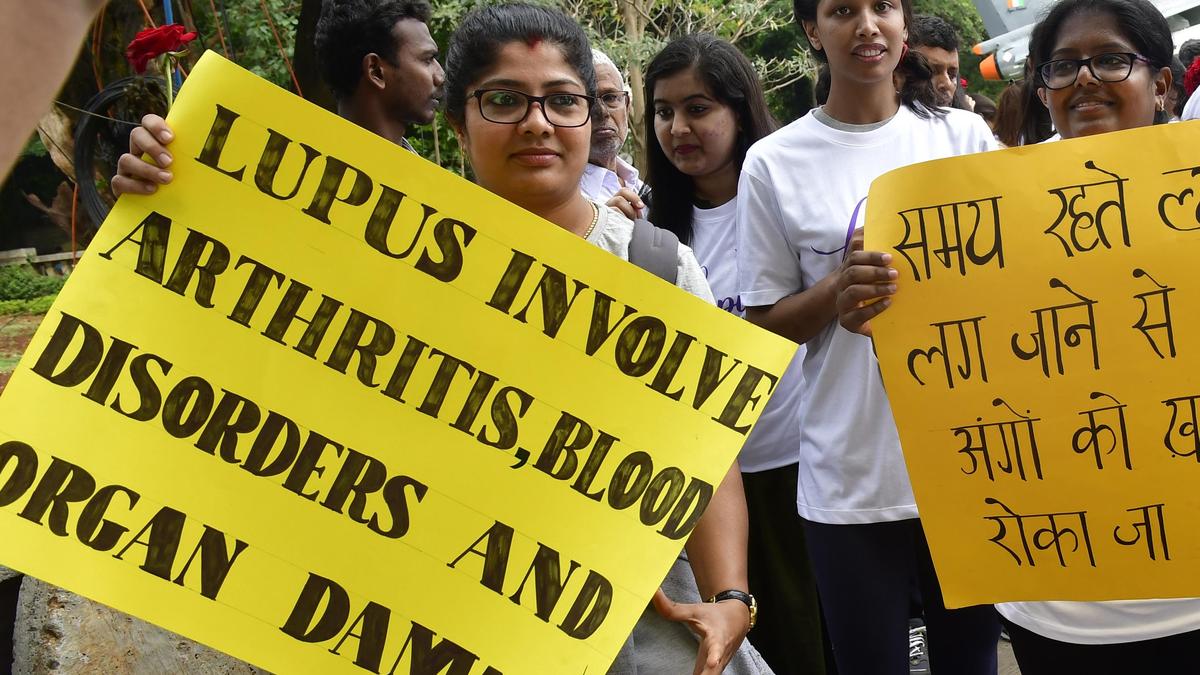
Nisha Panwar, 30, discovered she had lupus in December 2013 after enduring recurrent fever, rashes, and worsening symptoms for months. Before her diagnosis, several doctors dismissed her ailments, calling them "all in her head" and referring her to a psychiatrist. Tabassum Sultana, a 28-year-old content creator from Bengaluru, received a diagnosis of mixed connective tissue disease (MCTD) in 2024, a condition that shares similarities with systemic lupus erythematosus (SLE).
However, her diagnosis came with another complication. In September 2025, Sultana developed avascular necrosis of her right hip and underwent surgery. Her recovery was slow, leading to her dependence on her mother for daily tasks, and she had to cease working. The recurring flare-ups of her condition continue to impact her mental health.
Written by urgent.news from The Hindu - Sci-Tech's reporting — not their text. Machine-written — may contain errors; check the original before relying on it.
This story
This is one outlet's version. Read the fullest account.