Why Michigan could decide the future of Trump’s presidency
Michigan has swung between Republicans and Democrats in the past three presidential elections.
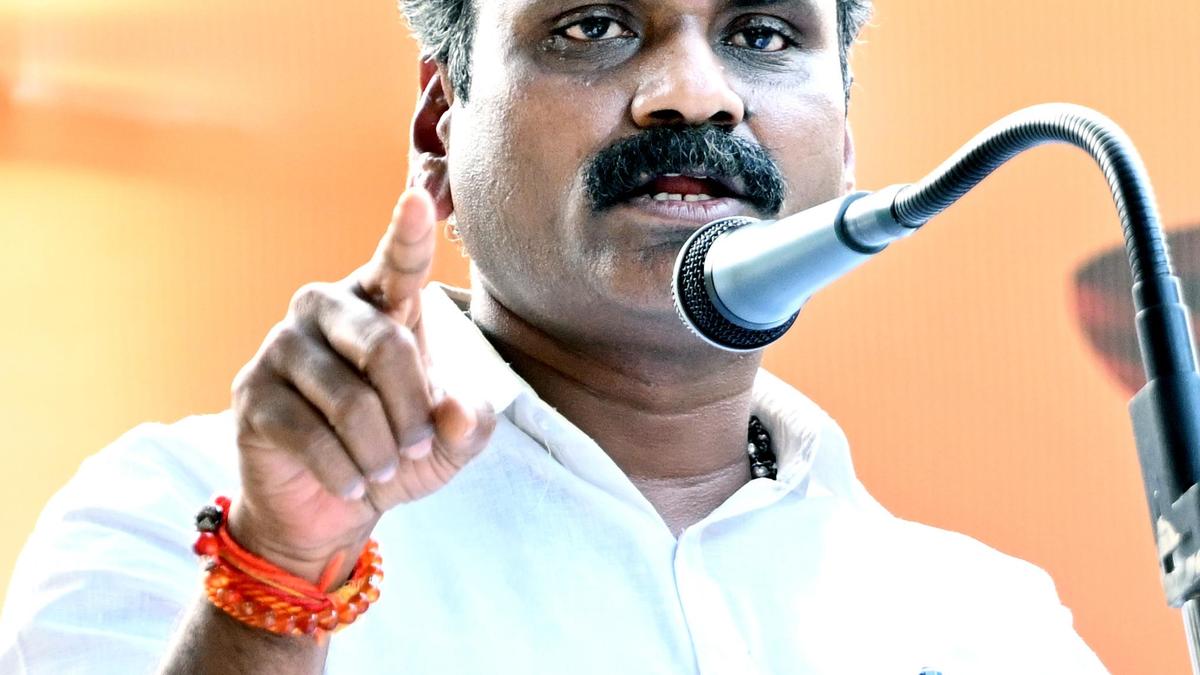
In the closing days of Michigan's Senate race, Republican nominee Mike Rogers and President Donald Trump have been using inflammatory rhetoric to depict Democrat Abdul El-Sayed, a Muslim who campaigned for the seat, as an extremist. El-Sayed, born in Michigan to Egyptian parents, has been labeled a "jihadist" by Trump during a rally in Port Huron, while Rogers has claimed that the 500 million Arabs in the world no longer produce award-winning science or literature, only "stagnant societies that do two things — hatred and war and victimization."
Ted Cruz, another Republican candidate, called El-Sayed a "jihadist leprechaun." The increasing attacks have led to concern among some Trump and Republican allies, who view the comments as Islamophobic and racist. Some former Republican allies have even lost hope in the party, feeling that their support was used to win the election.
Rep. Hassan Nehme, a former Michigan Republican Party vice chair, expressed frustration, saying that the party has turned off many of its supporters. The attacks have overshadowed the already polarizing election, with Dearborn Mayor Abdullah Hammoud, who is backing El-Sayed, stating that racism is a real issue in Michigan. Both campaigns are pushing back against the rhetoric, with El-Sayed's team stating that the attacks are "desperate, bad faith attacks" and Rogers' campaign defending its actions as not being about Islam.
Written by urgent.news from POLITICO's reporting — not their text. Machine-written — may contain errors; check the original before relying on it.
This story
This is one outlet's version. Read the fullest account.