What Quentin Tarantino’s Reservoir Dogs says about the US midterms
When I first watched Quentin Tarantino’s Reservoir Dogs in 1992, I was struck by its inventive opening. Tarantino launched a gritty crime thriller not with a gunfight or a heist but with eight mobsters in a diner, finishing breakfast while bickering over Madonna and tipping etiquette. By depicting hardened criminals as ordinary men carping about daily trivialities, Tarantino dispensed with the…
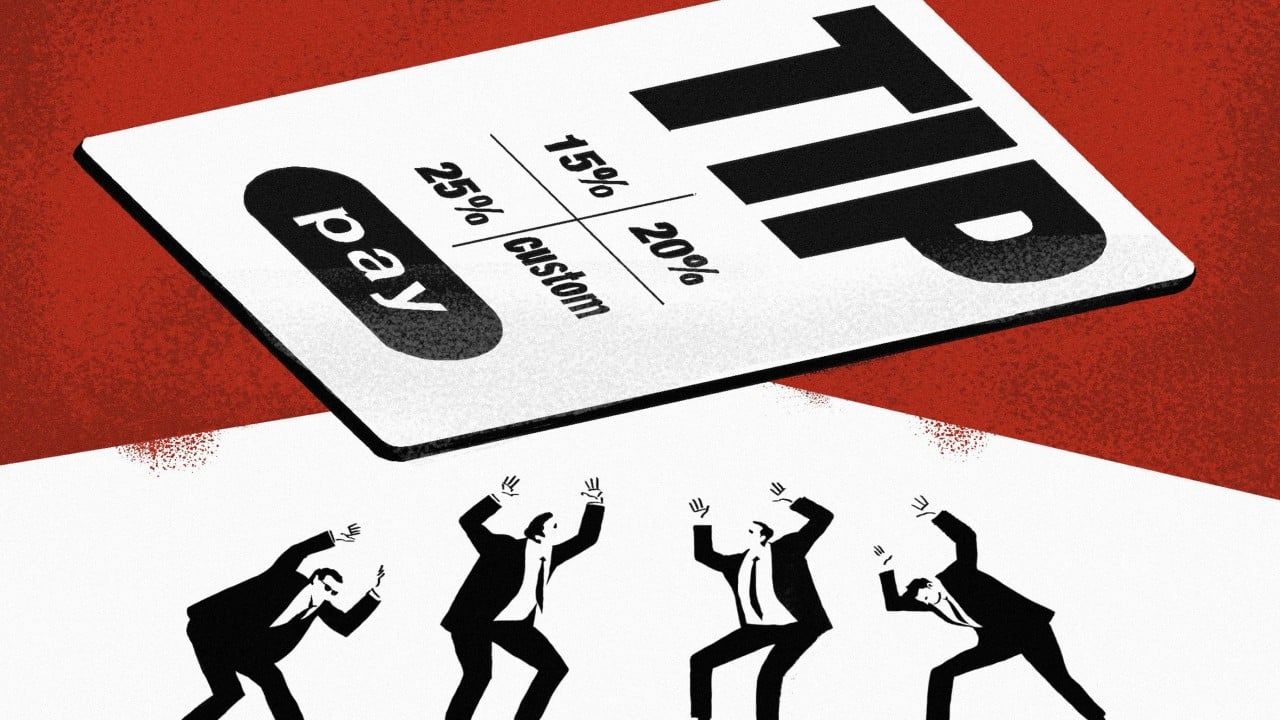
In Quentin Tarantino's 1992 film Reservoir Dogs, the character Mr Pink refuses to tip at a diner and argues that tipping should reward exceptional service, not serve as an obligatory social tax. This stance highlights the hypocrisy of tipping conventions, as even mundane jobs like working at McDonald's are treated as deserving of tips.
However, 30 years later, the subject of tipping has become a heated political issue in the United States. A 2023 Pew Research survey found that Americans now face tip prompts not just in restaurants, but also at self-service kiosks, garages, and drive-throughs, often facing preset gratuity options starting at 18 or 20 percent. Some businesses even add automatic "wellness surcharges" or "staff fees" onto bills before taxes and tips.
As a result, dining out can incur an unadvertised premium of 25 percent or more. The rise of tipflation - the inflation caused by tips and stealth fees - has turned tipping from a petty grievance into a political flashpoint, with 72 percent of Americans feeling they are solicited for tips more often than five years ago. The US Bureau of Labour Statistics' Consumer Price Index (CPI) underestimates the true cost of living, as tips and surcharges are classified as discretionary and therefore excluded from official inflation tracking.
This creates a loop where businesses shift wage costs onto customers, leaving workers dependent on customer generosity. A WalletHub study found that over 80 percent of Americans consider tipping "out of control," with three in five arguing businesses offload payroll obligations onto diners. This sentiment is expected to influence the US midterm elections, with the cost of living and the economy being the top concerns for voters.
Written by urgent.news from South China Morning Post's reporting — not their text. Machine-written — may contain errors; check the original before relying on it.