Ulema back decree against terrorism in religion’s name
ISLAMABAD: Religious scholars, spiritual leaders and representatives of different faiths have unanimously reaffirmed their support for a decree against terrorism, suicide attacks, and extremism while fully endorsing the national narrative of Paigham-i-Pakistan. The declaration was issued at a joint meeting organised by the National Paigham-i-Amn Committee and the Balochistan Provincial…
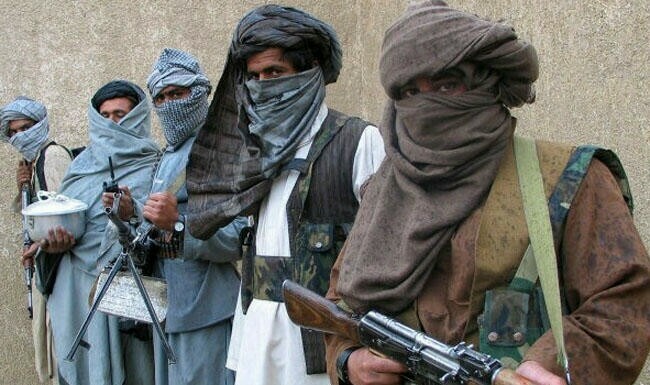
Islamic scholars and religious leaders from across the nation have jointly reaffirmed their staunch support for a decree dedicated to combating terrorism, suicide attacks, and radical extremism, while wholeheartedly endorsing the national narrative of Paigham-i-Pakistan. This unanimous declaration was unveiled during a joint gathering organized by the National Paigham-i-Amn Committee and the Balochistan Provincial Paigham-i-Amn Committee at Jamia Salafia Dawat-ul-Haq.
The event was presided over by Hafiz Muhammad Tahir Mehmood Ashrafi, the esteemed chairman of the Pakistan Ulema Council and the coordinator of the national committee.
These religious dignitaries unequivocally declared that suicide attacks and the cold-blooded killing of innocent lives are unequivocally forbidden within the teachings of Islam. They vehemently stressed that no individual or collective entity possesses the authority to engage in violence against the state or seize control of justice in the name of faith, sect, or ideology.
The declaration unequivocally condemned the exploitation of vulnerable segments of society, including women, children, students, and young people, for terrorist purposes, categorizing such actions as both a blatant disregard for religious principles and crimes against humanity.
The participants echoed their unwavering support for national security forces as they continue their relentless battle against the twin threats of Fitna al-Khawarij (corruption from within) and Fitna al-Hindustan (internal strife reminiscent of India). They firmly emphasized that the preservation of national security and the eradication of terrorism are shared responsibilities that transcend religious, sectarian, and ideological divides.
With a keen focus on the paramount importance of peace in Balochistan for the overall stability of the nation, the religious leaders pledged their collective commitment to fostering interfaith dialogue, inter-sectarian harmony, religious tolerance, and national unity. They also made a solemn vow to shield young minds from the siren calls of extremist ideologies, hate propaganda, and the seductive allure of terrorist organizations.
Written by urgent.news from Dawn - Pakistan's reporting — not their text. Machine-written — may contain errors; check the original before relying on it.