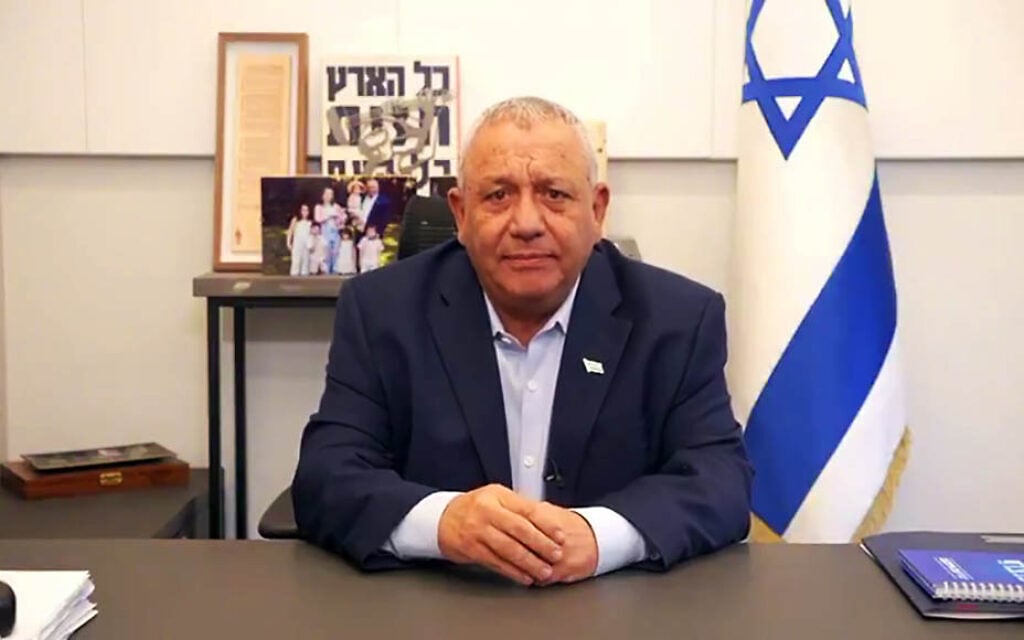
To become PM, Eisenkot and Netanyahu may need to break key promises
With both blocs short of a 61-seat majority, their respective leaders must now decide which divisive issues are worth prioritizing, and which pledges are worth reneging on
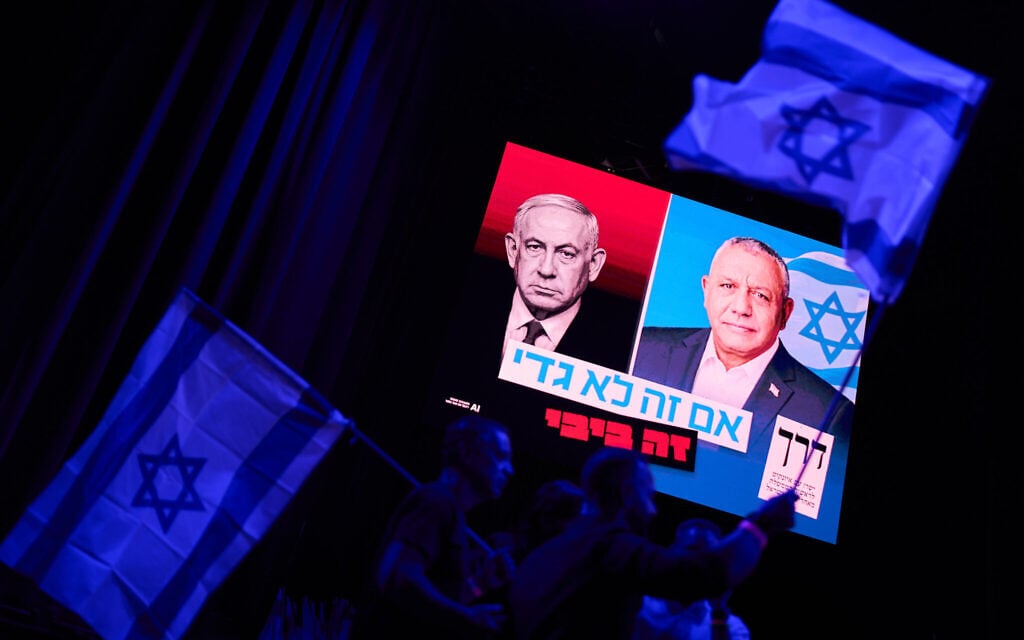
On Thursday, protesters marched outside the home of Yashar chairman Gadi Eisenkot in Herzliya, demanding the opposition leader form a government with Arab parties. This came after Israel’s election results revealed neither side had a majority in the Knesset. Chants of "There is no change without partnership" echoed through the demonstration, urging Eisenkot to collaborate with Arab parties to prevent Prime Minister Benjamin Netanyahu from forming another government.
Attendees included Amir Badran, the deputy mayor of Tel Aviv-Jaffa, who backed a political partnership between the opposition and Arab parties.
With 53 seats, Netanyahu’s bloc fell short of the 61 seats required for a majority. The opposition parties, led by Eisenkot’s Yesh Atid, secured 21 seats, falling 13 short of the required majority. The Arab parties, together, held 19 seats, bringing them into the spotlight for potential coalition talks. The Joint List garnered 11 seats, while Ra am won 8, bringing Arab representation to a record 19 seats.
Eisenkot and his opposition allies pledged they would not join a government led by Netanyahu. To fulfill this promise, they would likely need to work with at least some Arab parties, either through a formal coalition or as outside support for a minority government. Ra am, which had previously been part of the Bennett-Lapid coalition, is seen as a potential partner for such an arrangement.
However, there are significant hurdles. Yisrael Beytenu chairman Avigdor Liberman, who secured 7 seats, has distanced himself from the opposition and has rejected joining a coalition with Arab parties or a minority government dependent on their support. This stance could make it difficult to form a government without Netanyahu, even if other opposition parties agree to work with Arab factions.
As vote counting concluded, political leaders began discussions to explore coalition possibilities. Eisenkot met with B Yachad chairman Naftali Bennett and Democrats chairman Yair Golan on Thursday, as the process of forming the next government began. Golan, who supports cooperation with Arab parties, also met with Ra am’s Mansour Abbas to discuss building a political partnership.
Written by urgent.news from Jerusalem Post's reporting — not their text. Machine-written — may contain errors; check the original before relying on it.
This story
This is one outlet's version. Read the fullest account.