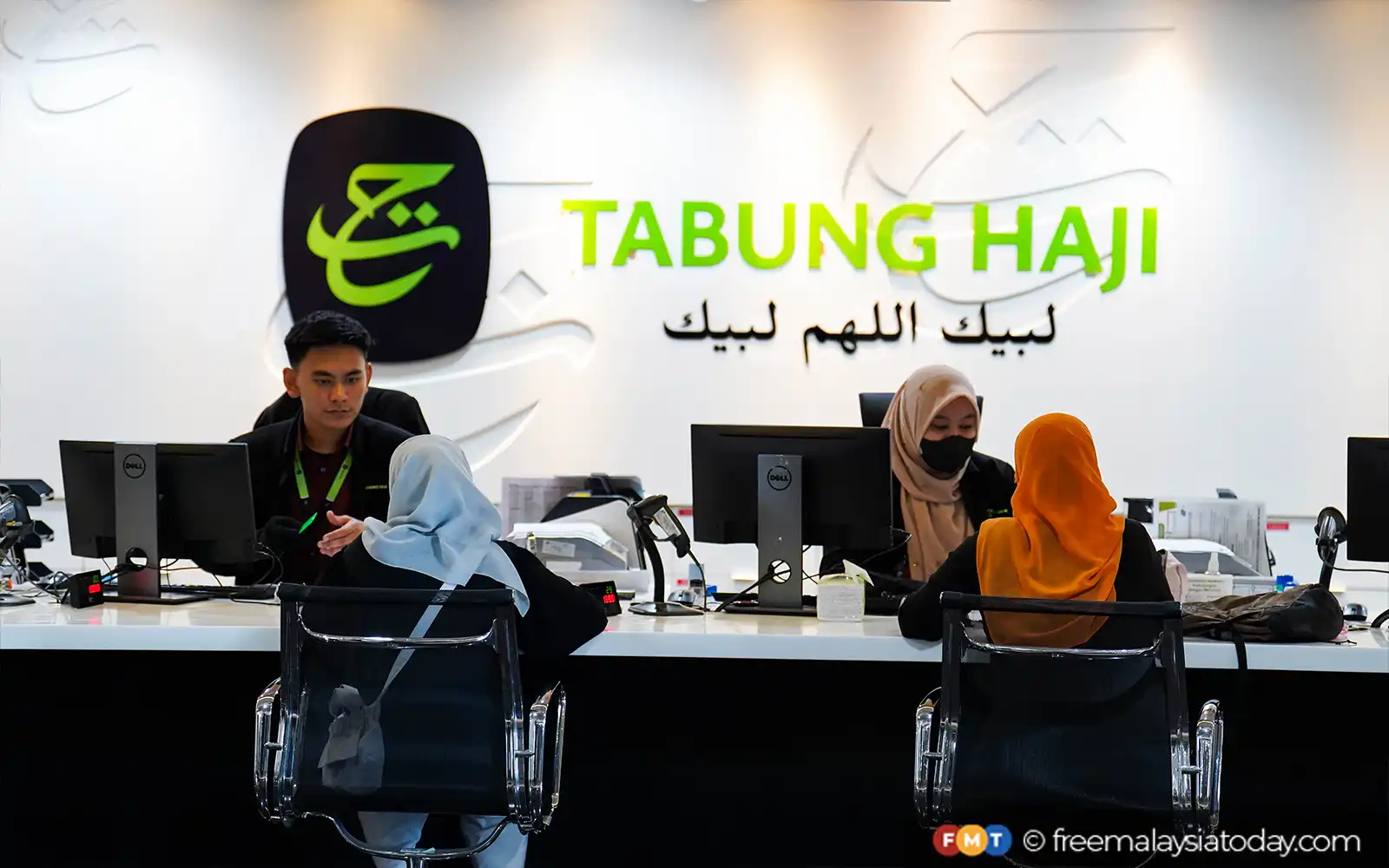
Titah sultan soal Tabung Haji tamparan moral kepada politik Melayu
Titah Sultan Selangor menguji sama ada slogan mempertahankan agama, bangsa dan raja turut disertai keberanian menuntut pertanggungjawaban apabila amanah umat Islam dicemari.
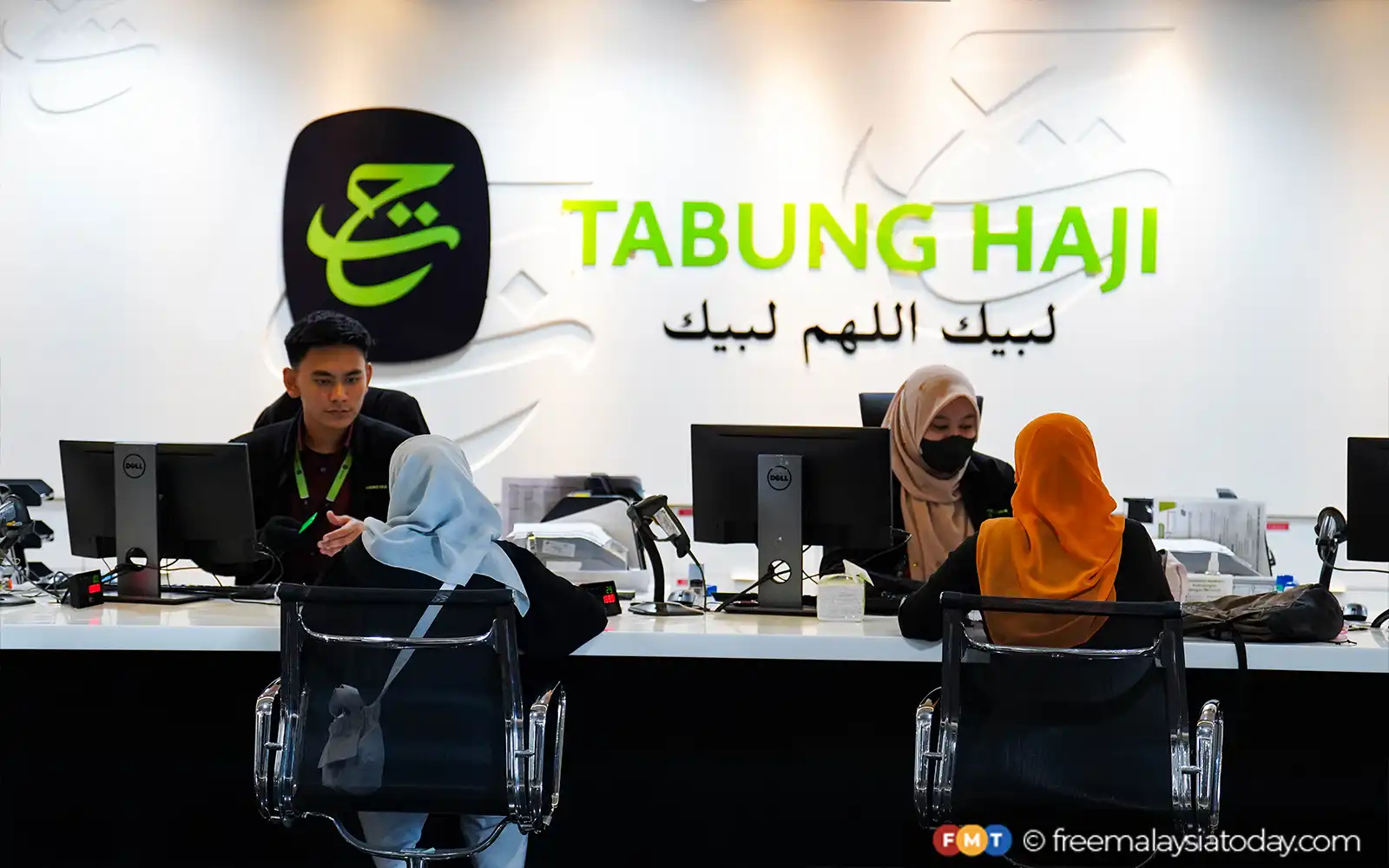
The Sultan of Selangor, Sharafuddin Idris Shah, expressed disappointment over the tumultuous affairs of the Tabung Haji (TH) Institution, not merely as a criticism. He views this as a moral lesson to the Malay political sphere, which often emphasizes the protection of religion, nation, and the king. The Sultan's stern warning to the institution managing religious funds indicates that our respect for him should extend beyond mere applause.
The question remains, however, how far this reprimand should push the responsibility for failures to the individuals entrusted with these funds. Are we simply defending the king's institution as long as it aligns with our political narrative? If religion, nation, and the monarchy truly form our principles, our stance should not waver even when accountability questions involve our supported party or leader.
Yet, I disagree if insensitivity toward the Sultan's reprimand is interpreted as a lack of respect for Malays. Silence may not always mean indifference; perhaps some are saddened, but we have grown weary of scandal after scandal, and billion-ringgit mismanagement no longer shocks us.
When scandals become commonplace, citizens may begin to accept them as an inevitable part of life. We still know these actions are wrong, but we are less sure if demanding change will yield anything. This situation poses risks to politics and the state institution. Leaders might consider public anger as politically advantageous, while younger generations grow accustomed to the idea that maladministration is part of governance, rather than a failure that needs rectification.
Disrespecting religion through words is one thing, but remaining silent when an institution linked to religion is compromised by actions is another. Protecting religion also means upholding honesty, accountability, and the rights of those who entrust money to an institution. Hence, the Sultan's reprimand should serve as a nationwide call to awareness, not just a political tool. Accountability should not depend on who is in power when the problem began, nor on who is managing its resolution.
In explaining the TH turmoil, we are too quick to focus on numbers. A billion-ringgit investment is significant, but we must link it to the people who place their trust in the institution. TH holds the dreams of Muslims who save a little at a time to perform their Hajj. Imagine a rubber-tapper saving RM5 a day over years; for the fund manager, it might be a small fraction of their portfolio, but for the saver, it is a significant sacrifice and hope.
Therefore, the public has a right to know the real impact of weak investment returns, economic opportunities, and those involved in TH management.
The RCI's report on TH's investment issues should be the starting point for this explanation. A comprehensive assessment must include real losses, opportunity costs, beneficiaries, potential losers, and the amount recovered. The investigation should not stop at how the problematic assets were transferred, financial obligations were managed, and depositors' interests were protected.
The truth must be presented to the public. The first to be held accountable is the one who initially caused the problem, and those who fail to correct today's situation cannot hide behind the mistakes of the past. The real test of upholding religion is not just preserving its symbols, but safeguarding the trust placed in it.
Written by urgent.news from Free Malaysia Today's reporting — not their text. Machine-written — may contain errors; check the original before relying on it.
Also reported by 1 other outlet
- Titah sultan soal Tabung Haji tamparan moral kepada politik Melayu freemalaysiatoday.com