The Dogs of Chornobyl Are Genetically Unique — But It Likely Isn’t Related to Mutations
Learn why the dogs of Chornobyl are genetically distinct from other isolated dog populations, and how the answer likely doesn’t have anything to do with toxic mutations.
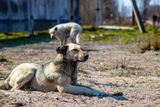
The dogs living near the Chornobyl nuclear power plant are genetically unique from those in Chornobyl City, a finding that scientists are struggling to understand. Located just ten miles apart, these two canine communities display a significant genetic divide. While previous research found that increased mutation rates did not explain this difference, a new study published in Genes suggests that natural selection may be driving the genetic differences.
According to the study's first author, Megan Dillon, the goal was to explore two evolutionary drivers - natural selection and genetic drift. The research team compared the Chornobyl populations with free-breeding dogs from Eastern Europe and isolated populations in the Galápagos Islands, using the latter as a comparison for isolation alone.
The power plant dogs were found to have a small effective population size, similar to the Chornobyl City dogs, and no broad loss of genetic variation. However, they identified over 100 candidate locations showing signs of directional selection, with nearby genes associated with DNA repair, immune responses, cell functions, and cancer-related pathways.
Lead researcher Matthew Breen explained that while these findings do not definitively prove selection as the cause, they suggest genomic structures consistent with selection, with genes involved in biologically relevant pathways that could help the dogs overcome toxic exposure. The study highlights how adaptation can draw on existing genetic diversity in a population, potentially offering insights into how inherited differences influence survival and resilience across generations.
Written by urgent.news from Discover Magazine's reporting — not their text. Machine-written — may contain errors; check the original before relying on it.