The clocks fall back this Sunday — exact times to go to bed tonight, Friday, and Saturday to avoid feeling exhausted on Monday
From morning sunlight to meal timing, these expert-backed tips can help reset your body clock and make Monday morning feel a whole lot easier
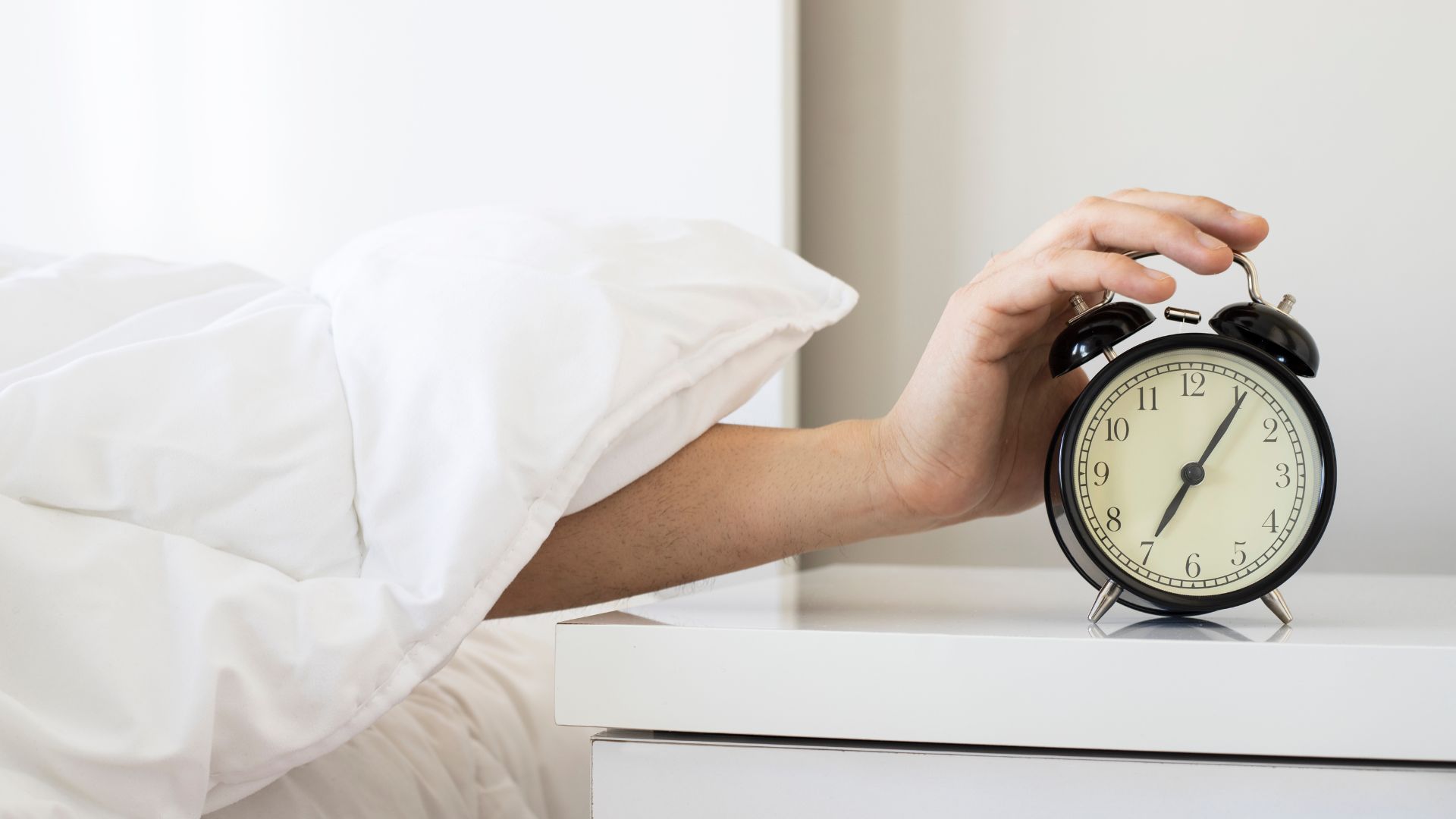
As clocks move back this Sunday, November 1, people across most of the US will gain an extra hour of sleep. While this may seem appealing, the shift can disrupt the body's internal clock, leaving individuals feeling tired and groggy on Monday. To ease into the time change and avoid Monday morning exhaustion, sleep expert Dr. Lindsay Browning advises gradually adjusting bedtime and wake time over several days before the clock change.
The optimal bedtime adjustments in the days leading up to the clocks falling back are as follows:
Thursday: Usual bedtime 11:00 PM; Adjusted bedtime 10:40 PM; Adjusted wake time 7:00 AM
Friday: Usual bedtime 10:40 PM; Adjusted bedtime 10:20 PM; Adjusted wake time 7:20 AM
Saturday: Usual bedtime 10:00 PM; Adjusted bedtime 10:15 PM; Adjusted wake time 7:40 AM
By shifting bedtime by 15–20 minutes each night, your body can gradually adapt to the new schedule, minimizing the jarring effect of the time change.
Dr. Browning explains that the body's circadian rhythm relies on cues like light and darkness to maintain a consistent sleep-wake cycle. The one-hour shift in clocks can throw this rhythm off, resulting in feelings of grogginess or difficulty falling asleep at the usual time. To prevent this, it's essential to reinforce your body's natural rhythm with simple, consistent habits.
Maintain a consistent wake-up time, even on weekends, to help your circadian rhythm adjust to the new schedule. Getting plenty of sunlight, particularly in the morning, can also help shift your body clock earlier or later depending on your needs. Eating meals at the same time each day provides another cue for your body to follow, helping to regulate digestion and metabolism.
Lastly, limit exposure to bright lights at night, as they can suppress melatonin, the hormone that promotes sleepiness, making it harder to fall asleep after the time change. By following these tips, you can help your body adjust to the new schedule and wake up feeling refreshed on Monday.
Written by urgent.news from Tom's Guide's reporting — not their text. Machine-written — may contain errors; check the original before relying on it.
This story
This is one outlet's version. Read the fullest account.