The Breast that feeds the future: Nurture it, Protect it, Check it
Why breastfeeding and breast cancer are one story, and why women and men must both read it In the first hour of life, a mother’s breast delivers colostrum, the baby’s first vaccine. Over the next six months it can supply everything a child needs. It is one of the most powerful public health tools we have. It is also the site of the cancer most often diagnosed in Ghanaian women, and, surprisingly,…
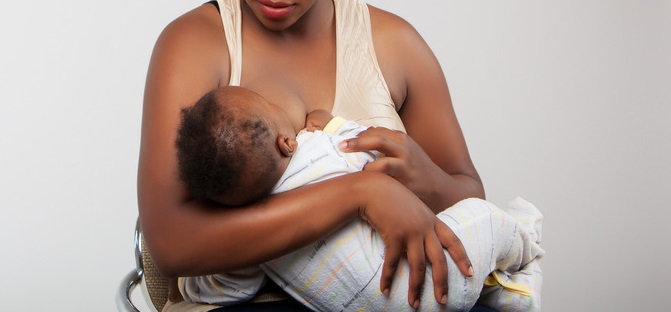
Breastfeeding is one of the most powerful public health tools, delivering colostrum - the baby's first vaccine - in the first hour of life and supplying everything a child needs over the next six months. It's also the site of the cancer most often diagnosed in Ghanaian women, as well as one that men can get too. Nurturing the breast means following WHO and UNICEF recommendations to start breastfeeding within the Golden Hour - the first hour after birth - and continuing for six months.
Colostrum provides vital antibodies, and breastfeeding lowers both maternal and cardiovascular risks while saving families money. Employers should provide paid leave, lactation rooms, and support for mothers to continue nursing for at least six months. Protecting the breast requires regular checks for any changes or lumps. Men should also be aware of breast cancer risks and know the signs to look for in their partners. Breast cancer affects both genders, so early detection is key regardless of gender.
Written by urgent.news from MyJoyOnline Ghana's reporting — not their text. Machine-written — may contain errors; check the original before relying on it.