The AI Upgrade Helping Perseverance Work Smarter on Mars
The rover’s On Board Planner software uses artificial intelligence to reduce wasted time and energy by making on-the-spot scheduling decisions.
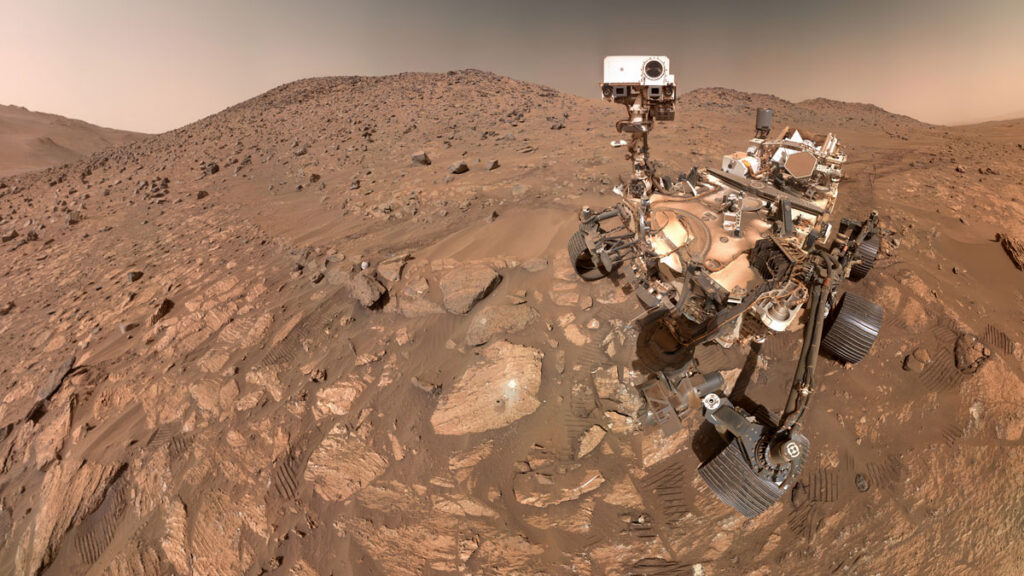
NASA launched the Mars 2020 mission in July 2020, deploying the Perseverance rover to investigate the ancient lake and river delta of Jezero Crater on Mars. Initially, the rover's activities were controlled using traditional software programming, with ground operations scheduling tasks at predetermined times. However, on October 5, 2023, the mission began utilizing autonomous AI software called On Board Planner (OBP) to control Perseverance.
This AI-driven system takes into account current Martian conditions and the actual durations of rover tasks to make real-time adjustments. Since implementing OBP-driven operations, Perseverance has significantly reduced its idle time, which resulted from unpredictable Martian surface conditions and unknown terrain features. The conventional master-submaster (MSM) programming required extra time and energy margins in the rover's schedule to account for these uncertainties, leading to periods of inactivity and lost opportunities for observations, exploration, or energy conservation.
By transitioning to OBP-run operations, Perseverance has demonstrated an impressive increase in its scientific observations, driven by more efficient energy management, optimized activity scheduling, and adaptive adjustments based on real-time rover and environmental data. This groundbreaking deployment of AI in space mission operations marks a significant step towards the potential widespread use of AI in autonomous space missions, paving the way for increased efficiency and scientific discovery on Mars and potentially other celestial bodies.
Written by urgent.news from Eos's reporting — not their text. Machine-written — may contain errors; check the original before relying on it.