Spain train crash: What happened in the 17 minutes before the collision?
An IT failure halted several trains on the Madrid–Seville high-speed line, but the crash came after Adif’s control centre authorised an AVE to resume its journey. Investigators are examining what caused the collision, which killed 69 people.
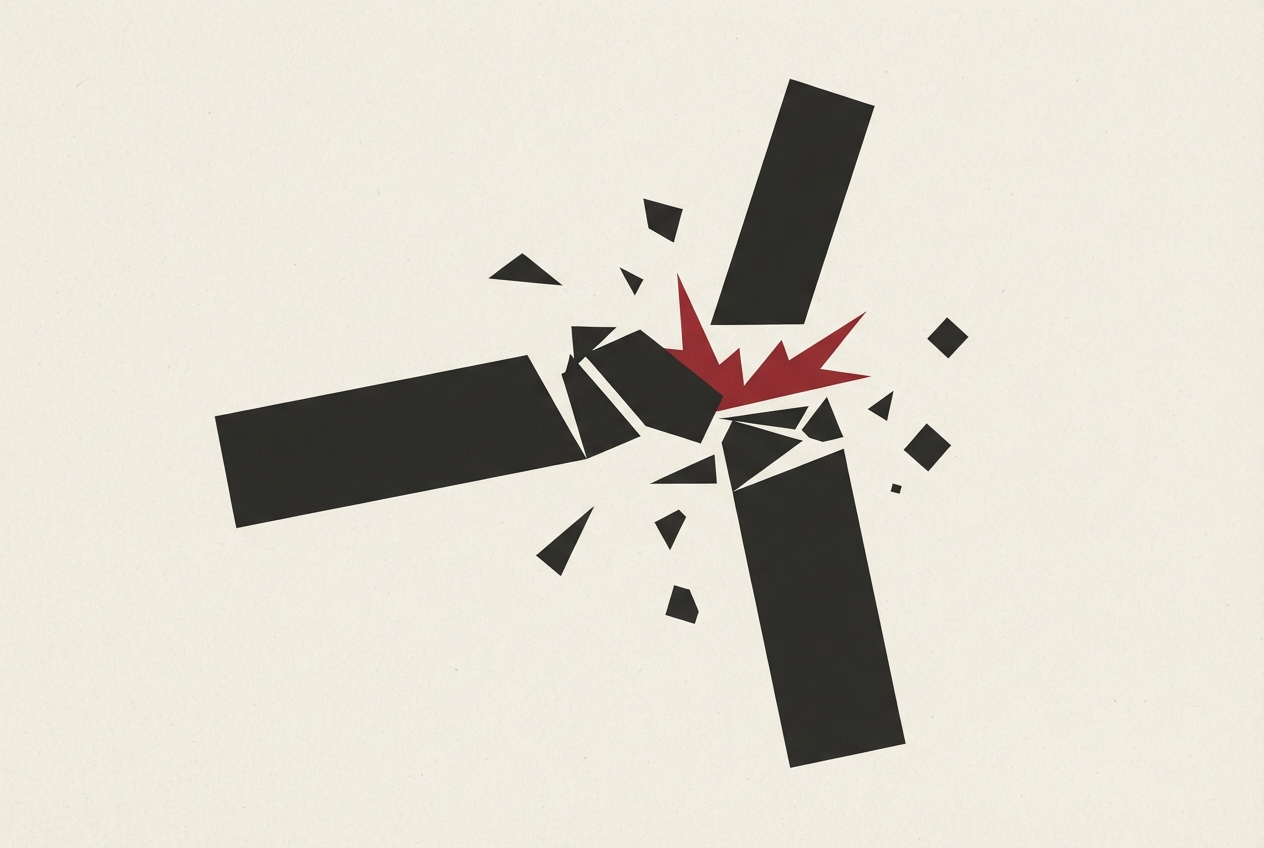
On October 28, a high-speed AVE train collided with a stationary Iryo train near Urda in central Spain, resulting in at least 69 deaths and over 100 injuries. This marks the second major high-speed rail tragedy in Spain within the past year, following the Adamuz (Córdoba) crash earlier that year, which claimed 46 lives. Preliminary investigation focuses on two main factors: a failure in the signalling system and an order issued from Adif's control centre in Madrid to resume the AVE's journey.
The LZB safety system, responsible for monitoring train traffic and maintaining safe distances, experienced an IT failure at around 8:30 am, affecting six trains including the Iryo and AVE. Despite this, the AVE was authorized to resume its journey under the lineside signalling block system at 8:36 am, despite the main signalling system failing.
At 8:41 am, the Iryo driver informed the control centre that her train remained stopped due to a loss of transmission, but the controller still authorized her to continue. The AVE proceeded for 25 kilometers before colliding with the rear of the Iryo train at 8:53 am. The exact reasons why the AVE was not instructed to slow down or stop after receiving warnings from the Iryo driver remain unclear, and investigators are examining operating protocols, available information, and system failures to determine responsibility.
The judicial investigation, overseen by the Court of First Instance in Orgaz, is ongoing, with access to the crash site restricted and seizure of train black boxes.
Written by urgent.news from Euronews's reporting — not their text. Machine-written — may contain errors; check the original before relying on it.
Also reported by 5 other outlets
- Two fatal train accidents in Spain in nine months have heightened fears about rail travel: ‘I’m going to buy a plane or bus ticket. Anything but the train’ english.elpais.com
- Spain train crash: Drone footage captures twisted carriages as toll tops 60 timesofindia.indiatimes.com
- Spain train crash death toll rises to 69, emergency crews continue operations france24.com
- Q&A: What we know so far about the deadly train crash in central Spain thelocal.es
- Rescue teams search wreckage for survivors after train crash in Spain aljazeera.com