Rural food insecurity jumped from 12% to nearly 16% in 5 years—the law that can fix it is sitting on the books
In 1980, President Jimmy Carter signed a new Motor Carrier Act, removing the requirement that trucking companies serve specific regions.
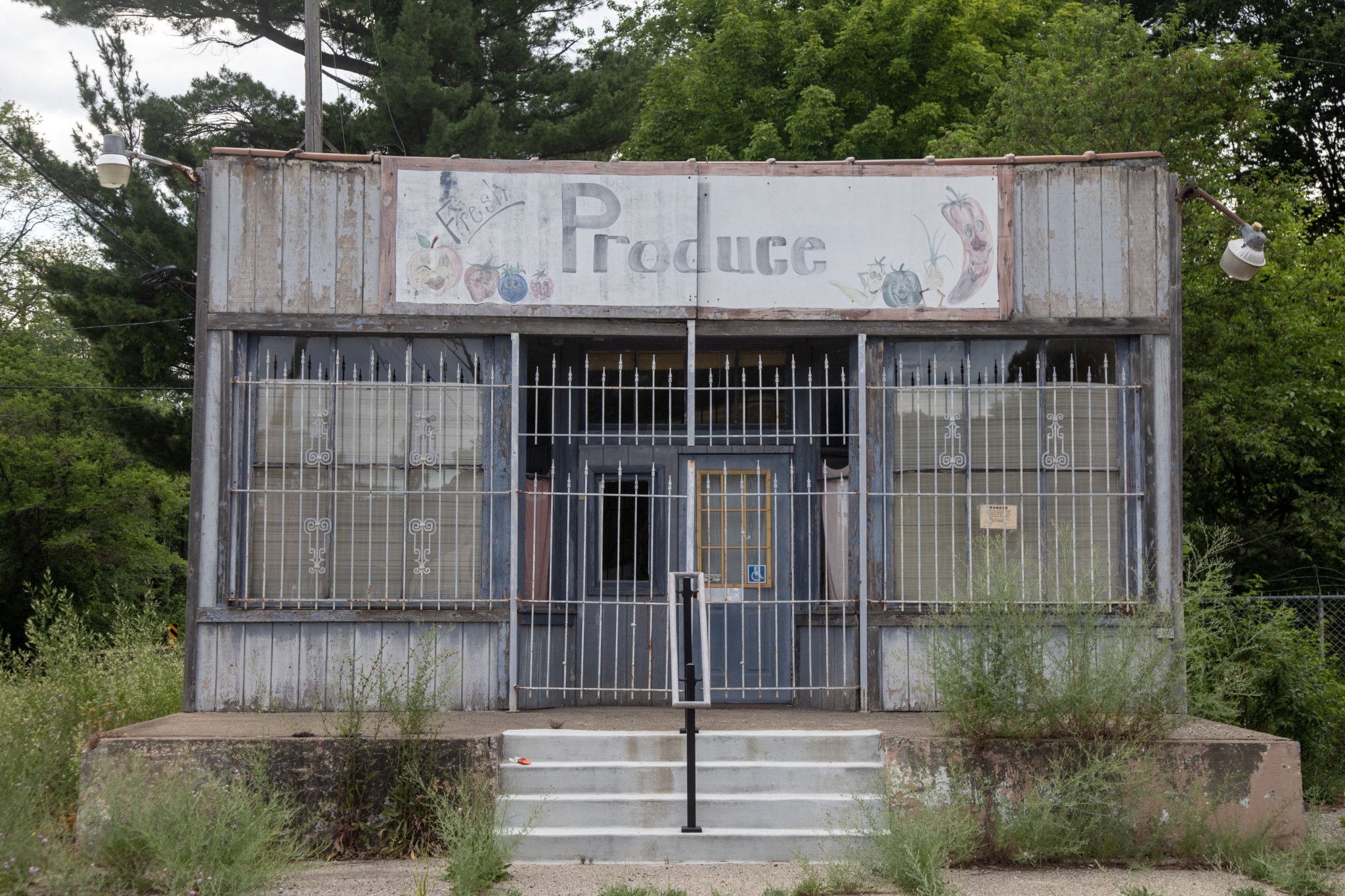
Rural food insecurity has surged by nearly 4 percentage points in just five years, reaching nearly 16% in 2024 according to the U.S. Department of Agriculture. While low income is a factor, supply chain logistics play a significant role as well. The cost of delivering perishable goods like produce, meat, and dairy to rural areas is high due to the need for refrigerated trucks and longer, multi-stop delivery routes.
Small rural stores often cannot fill a truck on their own, leading to inefficient delivery patterns that increase costs. This has made fresh food a luxury in many rural communities, where the average person in a county around Milwaukee or Madison receives 19 to 37 pounds of leafy greens annually, nearly three times the amount delivered to rural counties.
The roots of this issue trace back to the deregulation of the trucking industry in the 1970s, which led to consolidation and concentration in the food supply chain, leaving rural America behind. In 1935, the Motor Carrier Act required trucking companies to serve both rural and urban routes, but by the 1980s, deregulation had removed this requirement and large grocery chains gained control of supply chains through massive buying power.
The 1990s saw the rise of point-of-sale data and artificial intelligence, further disadvantaging small independent grocers. While some rural grocers have formed distribution co-ops to share costs, this alone cannot solve the underlying problem. My research using USDA and DOT databases, along with AI models, shows that national distributors are underserving seven states when it comes to refrigerated meat, dairy, and prepared foods, including West Virginia, Arizona, Texas, Michigan, North Dakota, South Dakota, and Montana.
Written by urgent.news from Fortune's reporting — not their text. Machine-written — may contain errors; check the original before relying on it.