Plant biology provides inspiration for PFAS replacement
Forever chemicals are renowned for their durability and their non-stick properties, but they persist for years in the environment. An alternative inspired by plants doesn't have the same problem
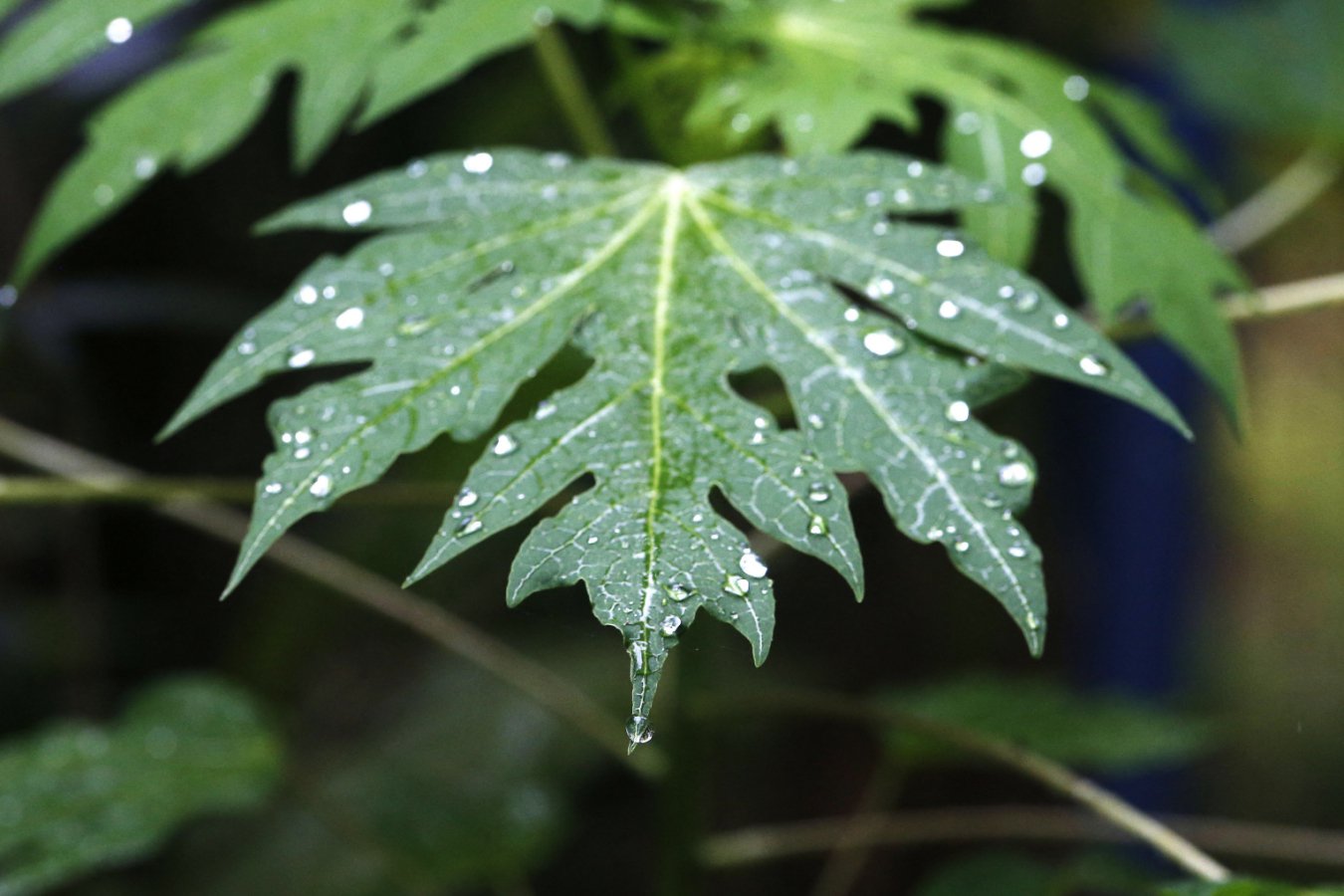
Scientists are developing a plant-inspired coating that may replace harmful PFAS chemicals in various consumer products. PFAS, or forever chemicals, have both beneficial properties and environmental concerns due to their long-term persistence. Joshua Yuan, a chemical engineer at Washington University in St Louis, discovered that plants use a structure called suberin to transport water across long distances.
This waterproof coating is composed of greasy long-chain fatty acids and plant polymer lignin. Yuan's team created a similar coating using waste from the paper industry and animal fat, which was spray-coated onto surfaces like glass, metal, and cotton. The resulting waterproof layer self-assembled into continuous layers, offering resistance to contamination and wear, similar to the lotus effect seen in some plants.
Unlike traditional PFAS coatings, this new coating operates through a different mechanism, creating numerous tiny pockets of air that minimize direct contact with water droplets. The coating is bio-based, easily degrades in composting conditions, and leaves no harmful residues. Potential applications include food packaging, but its lower heat tolerance limits use in bakeware.
Written by urgent.news from New Scientist's reporting — not their text. Machine-written — may contain errors; check the original before relying on it.


