Phantom Blade Zero's best weapon might just be the first one you get
Bleed's back on the menu, boys.

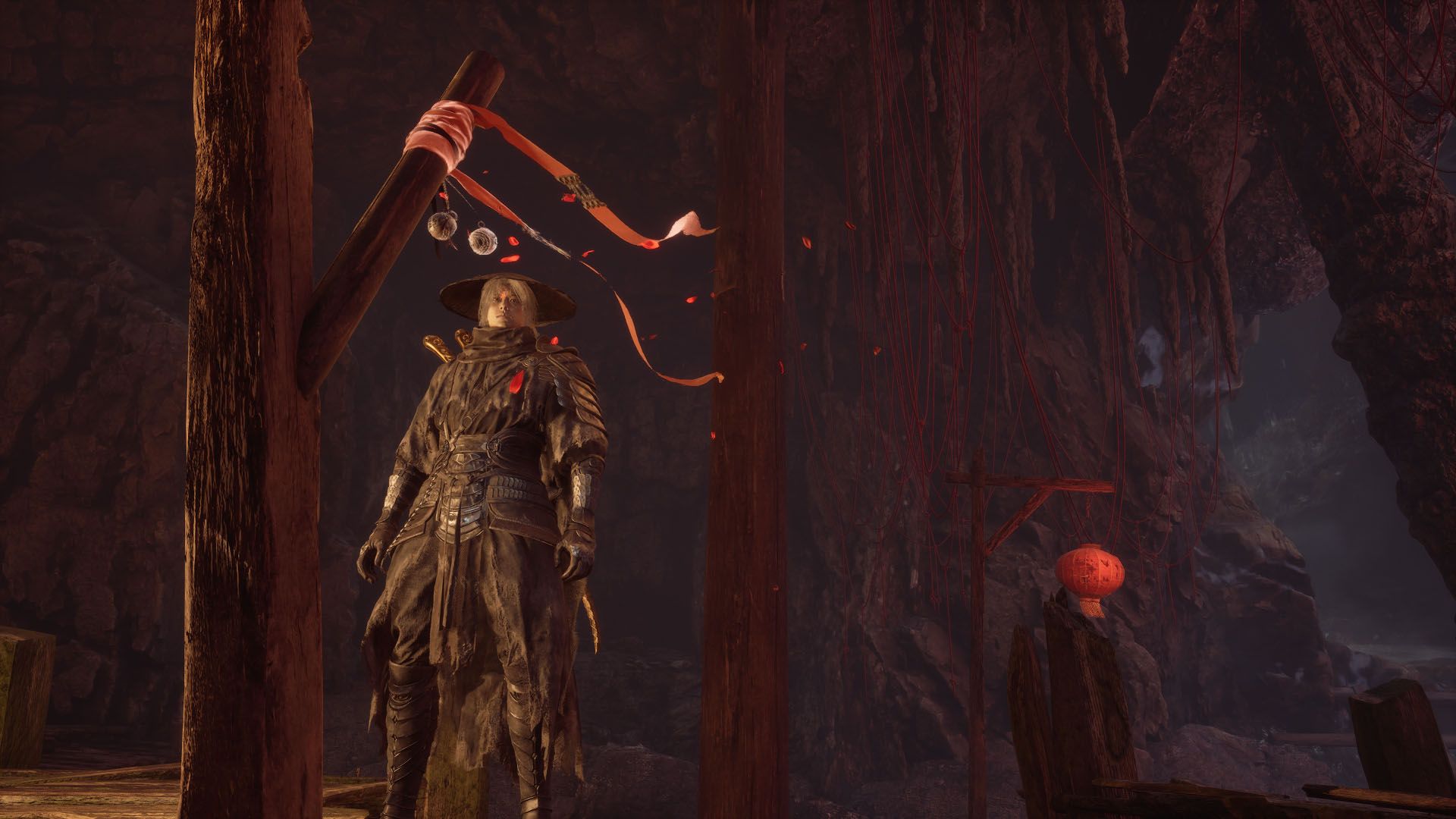
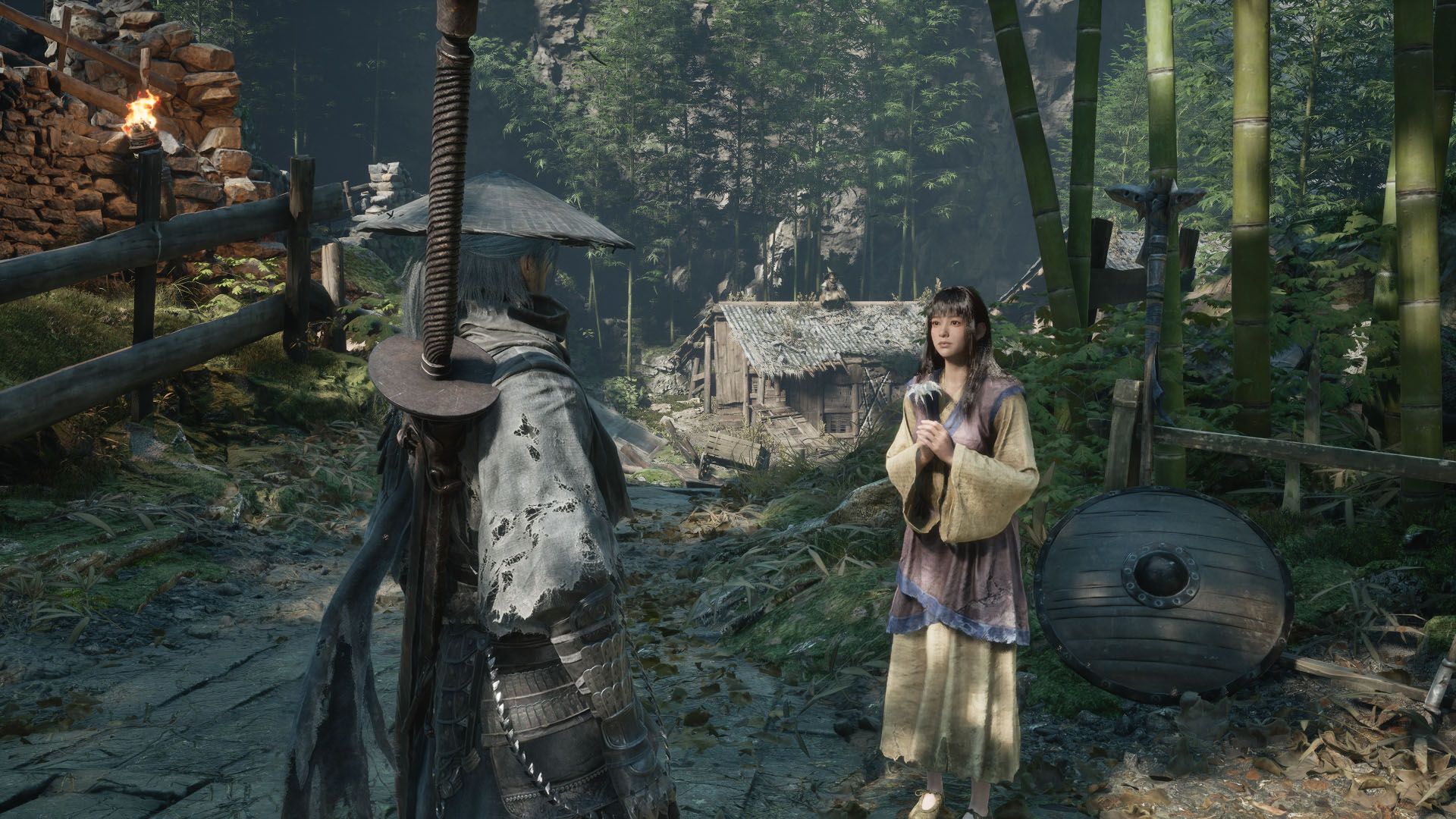
Phantom Blade Zero's best weapon might just be the first one you obtain. The game's early bleed weapon, Jagged Steel, can be acquired from the first boss you face, who is also named Jagged Steel. Jagged Steel's central weapon mechanic is Blood Blade, a stackable buff that boosts bleed buildup and damage. The weapon's strength increases as you level up, with additional abilities unlocked at Levels 10, 15, and 20.
Despite certain enemies being immune to bleed, such as Puppets, Golden Bodies, and Phantom Bodies, Jagged Steel remains a powerful weapon due to its left trigger combo, which guarantees bleed procs every time. The Livingwood Talisman, found in the Village of Lu, can further enhance Jagged Steel's effectiveness against all enemies.
Many players, including the author of this account, continue to prefer Jagged Steel throughout the game for its exceptional offensive capabilities.
Written by urgent.news from PC Gamer's reporting — not their text. Machine-written — may contain errors; check the original before relying on it.
This story
This is one outlet's version. Read the fullest account.