Paper walls
Tariffs in the Western Balkans are low; the cost of everything else that happens at the border is not. When the World Bank published its spring Regular Economic Report on the Western Balkans in April, the mood was gloomy. The bank cut its 2026 growth forecast for the region’s six economies (Albania, Bosnia and Herzegovina, […] Paper walls was originally published on Emerging Europe .
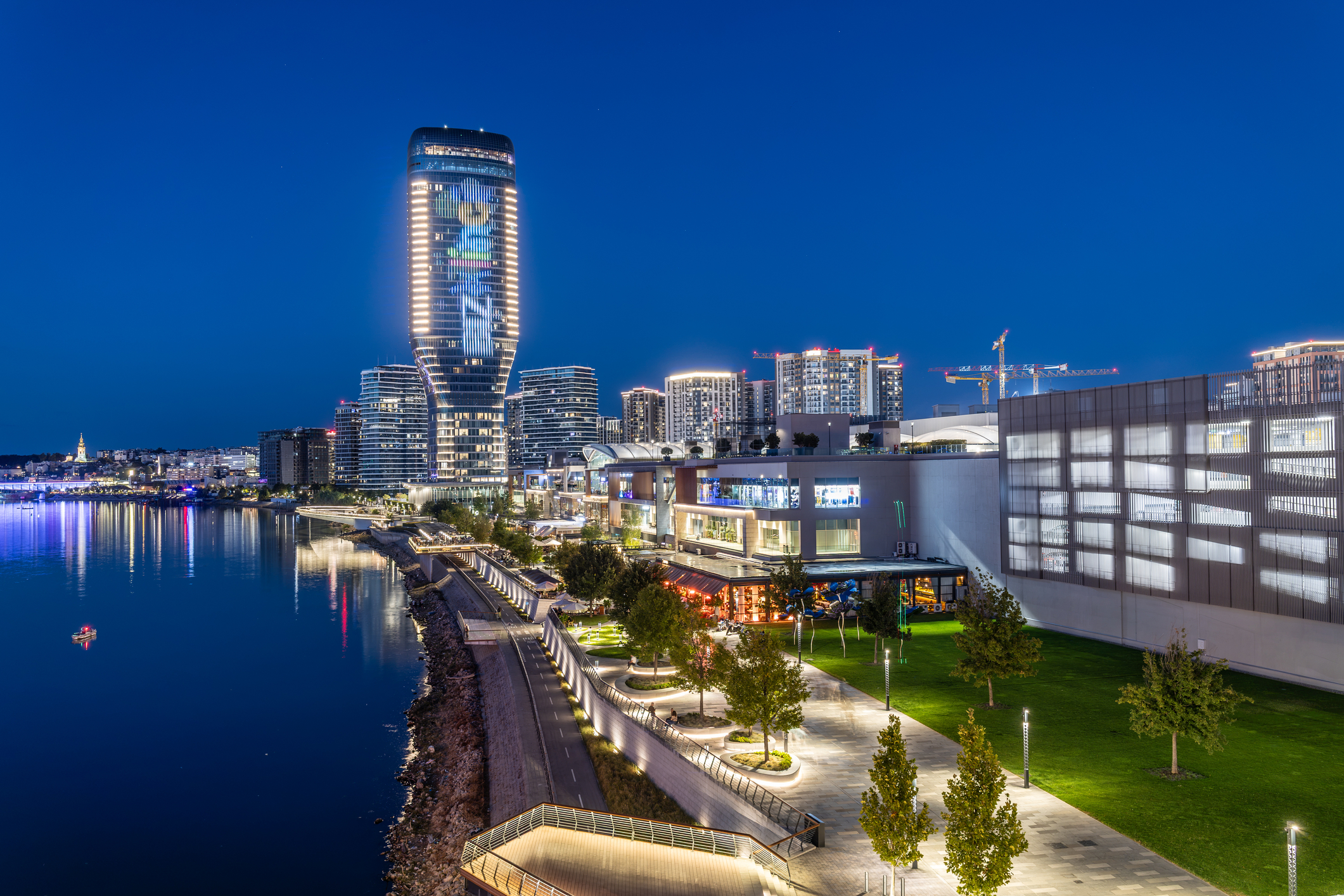
Tariffs in the Western Balkans are low, but the cost of other border-related activities remains high. The World Bank recently revised its growth forecast for the region's six economies downward due to geopolitical uncertainty and persistent inflation. Serbia, the largest economy, saw a slowdown in growth, while Kosovo and Albania have remained consistent performers.
Despite the region being one of the most open economies in terms of trade, non-tariff measures significantly increase the cost of imports. To boost growth and create quality jobs, the World Bank recommends addressing non-tariff barriers through smarter regulation, digitization, and risk-based inspections.
Written by urgent.news from Emerging Europe's reporting — not their text. Machine-written — may contain errors; check the original before relying on it.